
Bayern Munich Weigh Winter Transfer Options as Injury Crisis Hits Attack
Bayern Munich are facing an important decision ahead of the winter transfer window after a series of injuries sharply reduced their attacking options. Despite the growing list of absentees, the club’s leadership is not currently planning to make a January signing, with officials expecting most of their injured forwards to return after the winter break.
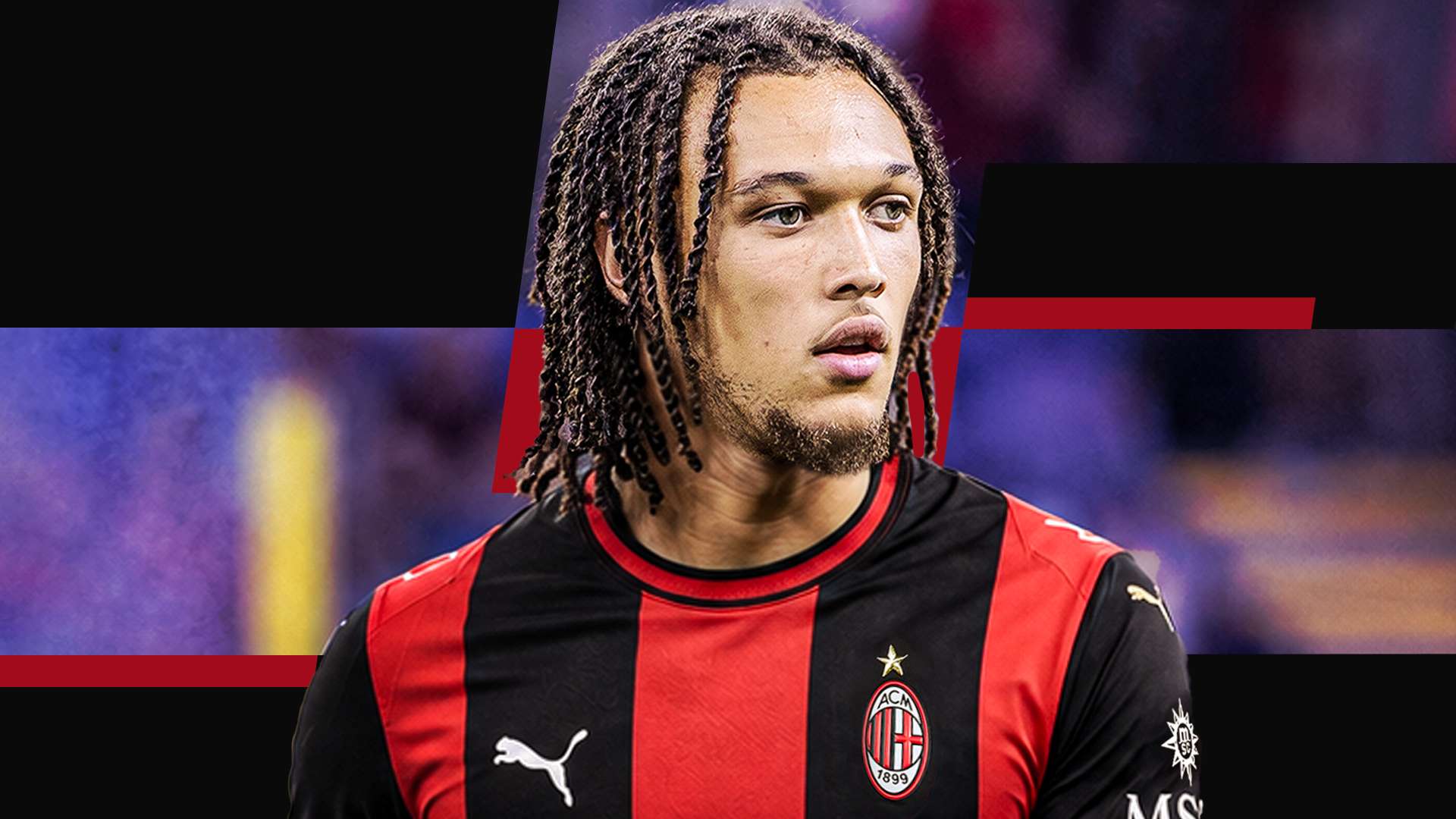
According to Bild, Bayern are without Ismael Saibari, Serge Gnabry, Luis Díaz and Jamal Musiala, while Michael Olise is also dealing with a knee problem. The situation leaves sporting director Max Eberl and the club’s senior executives balancing immediate squad needs against their longer-term transfer plans.
Injuries Leave Bayern Short of Attacking Options
Saibari faces the longest recovery among the confirmed absentees. He has ruptured a ligament in his right ankle and is expected to be sidelined for at least three months. Gnabry, meanwhile, could miss up to six weeks after suffering a muscular injury in the back of his left thigh.
Díaz has sustained a muscle tear in his left thigh, while Musiala has torn a muscle fibre in his right thigh. The precise recovery timelines for the pair depend on further assessment and rehabilitation, but their injuries have added to the uncertainty surrounding Bayern’s forward line.
Olise’s right-knee issue is another concern, although his status is not yet as clear-cut as that of the four players listed as unavailable. With several attacking players injured at once, Bayern’s depth is being tested at a point in the season when fixtures across domestic and European competitions can quickly accumulate.
The timing is particularly significant because Bayern are scheduled to face Atlético Madrid in the Champions League on 4 November 2026. Managing the squad through that match and the weeks around it will be a key challenge, especially if further fitness concerns emerge.
Club Leaders Play Down January Transfer Move
For now, Bayern’s public position is that the club is unlikely to enter the winter market. Chairman Jan-Christian Dreesen was asked on Saturday evening whether the injuries could prompt a January signing. His response was brief: “I don’t think so.”
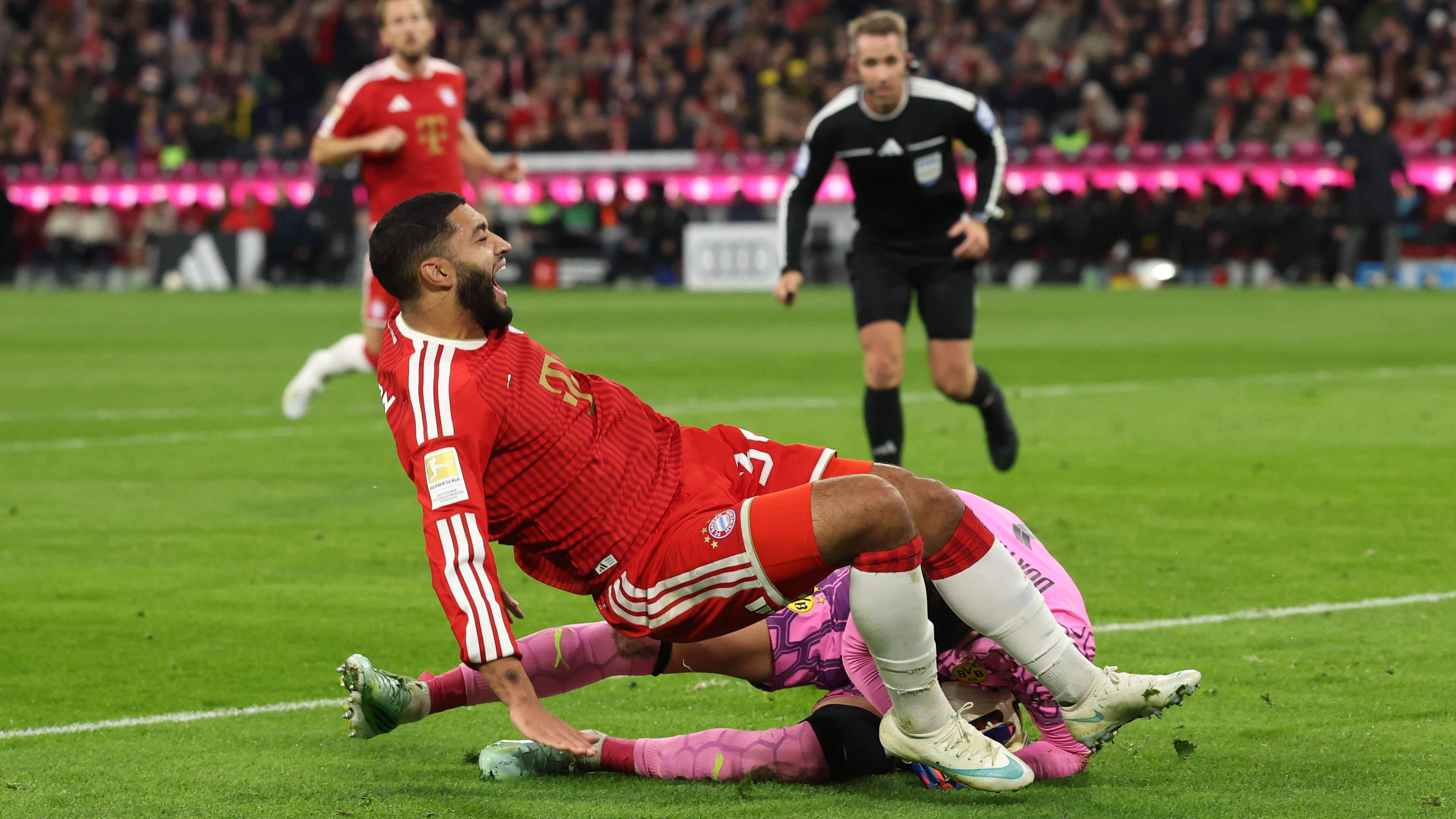
Eberl offered a fuller explanation after Bayern’s match against Borussia Dortmund, stressing that the club does not yet know the outcome of all medical examinations. He also pointed to the expected returns of Díaz and Musiala, arguing that the current situation should not be treated as though five players will be unavailable for half a year.
That distinction matters to Bayern’s transfer planning. A short-term shortage can create pressure to recruit, but signing a player in January is not always a straightforward solution. Clubs are often reluctant to sell important players midway through a season, leaving fewer suitable options and potentially increasing transfer fees. A new arrival may also need time to adapt to Bayern’s tactics, league demands and dressing-room environment.
Rather than react immediately, the club appears to be assessing whether its existing squad can cover the gap until the injured players return. That approach could involve adjusting roles, giving other forwards more responsibility or using flexible attacking combinations while the regular options recover.
Why Bayern Expect to Wait Until After the Break
According to Bild, Bayern expect every injured forward except Saibari to be fit for the first fixture after the winter break. That match, against Borussia Mönchengladbach, is scheduled to take place between 8 and 10 January. If that recovery outlook holds, the club’s current shortage may prove temporary rather than a reason to make a costly mid-season addition.
However, recovery estimates are not guarantees. Muscle injuries can vary in severity, and players returning from a layoff generally need to rebuild match fitness before they can handle a full schedule. Bayern will therefore have to consider not just when their attackers are medically cleared, but when they are ready to contribute consistently.
The club’s position also reflects the risks of making a transfer under pressure. A January signing could offer immediate cover, but it might disrupt plans for the following season if the player is no longer needed once Musiala, Díaz, Gnabry and Olise are available. Bayern will want any recruitment to fit a longer-term sporting strategy, not simply solve a temporary selection problem.
Summer 2027 Could Bring a Bigger Attacking Investment
Bayern’s reluctance to spend in January does not mean the club has ruled out strengthening its attack. Bild reports that the German champions are planning to sign at least one attacking player for a substantial fee in the summer of 2027.
A summer transfer would give Bayern more time to identify the right target, negotiate with selling clubs and assess how their current forwards fit into the team. It could also allow the club to make a more deliberate investment rather than accept the limited choices that can define the winter market.
For supporters, the key question is whether Bayern’s injured players return on schedule. If most are available by January, the club’s decision to avoid a winter transfer may look measured. If recovery takes longer—or if new injuries follow—the pressure on Eberl and the wider leadership to reconsider could grow quickly.
For now, Bayern are choosing patience over an immediate signing. Their approach rests on the expectation that the injury crisis will ease after the winter break, while a major attacking addition remains part of the longer-term plan. The coming weeks will show whether that prediction is realistic or whether the Bavarians must revisit their transfer strategy sooner than expected.