
Gavi’s Barcelona Future in Focus as Midfield Competition Limits His Minutes
Gavi is facing one of the most difficult stretches of his Barcelona career. After missing around 18 months while recovering from a serious anterior cruciate ligament injury, the midfielder has returned to action—but regular football has remained hard to find. A crowded squad and intense competition for places have left the 22-year-old watching from the sidelines more often than he or the club would like.
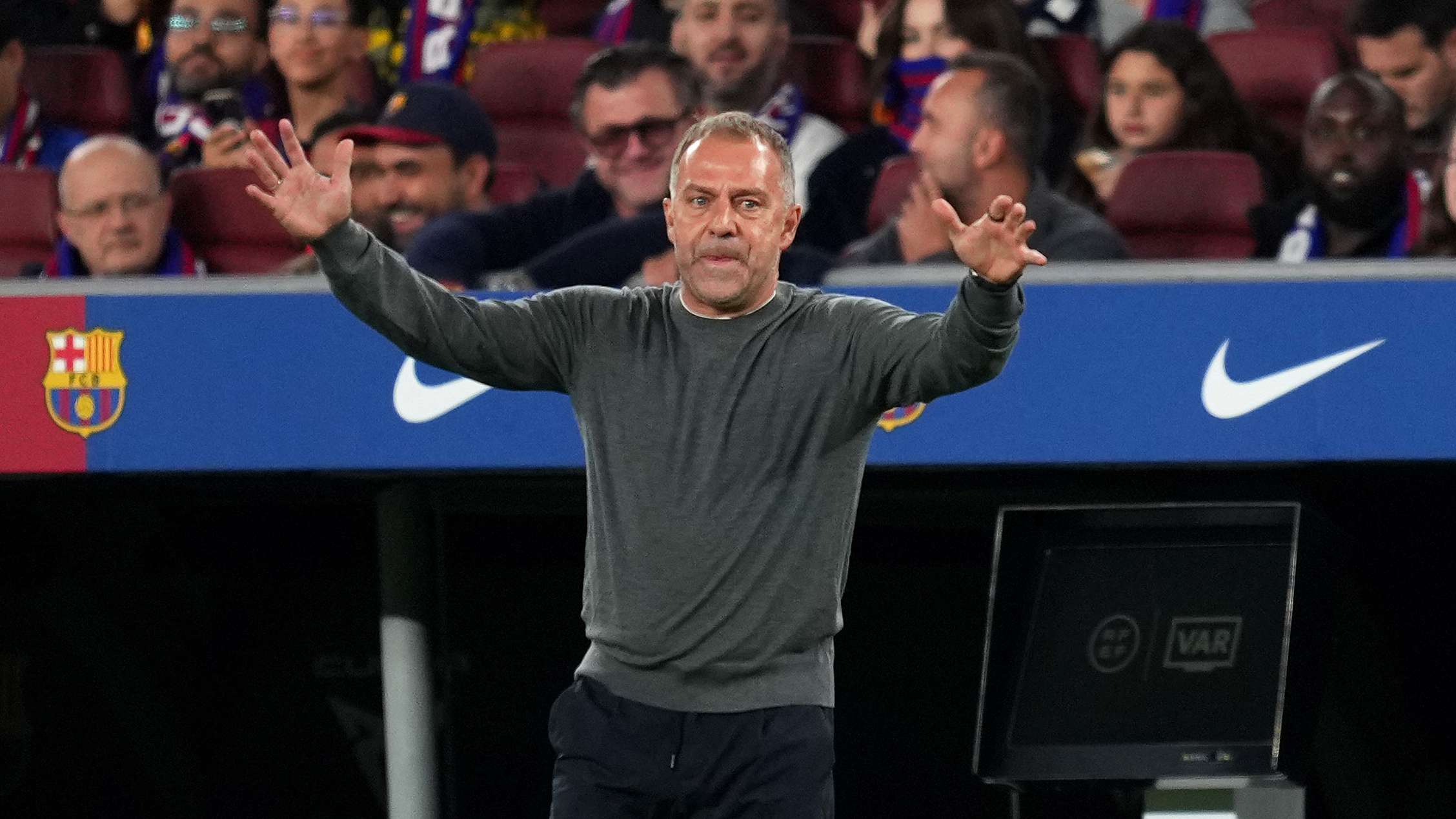
Barcelona’s depth has become a major talking point this season. The Catalan side have several established midfielders competing for a limited number of starting positions, and Gavi has so far struggled to secure a consistent role under head coach Hansi Flick. His situation is drawing attention not only because of his talent, but because playing time is especially important as he works to regain his sharpness and build momentum after a long injury layoff.
A worrying lack of game time
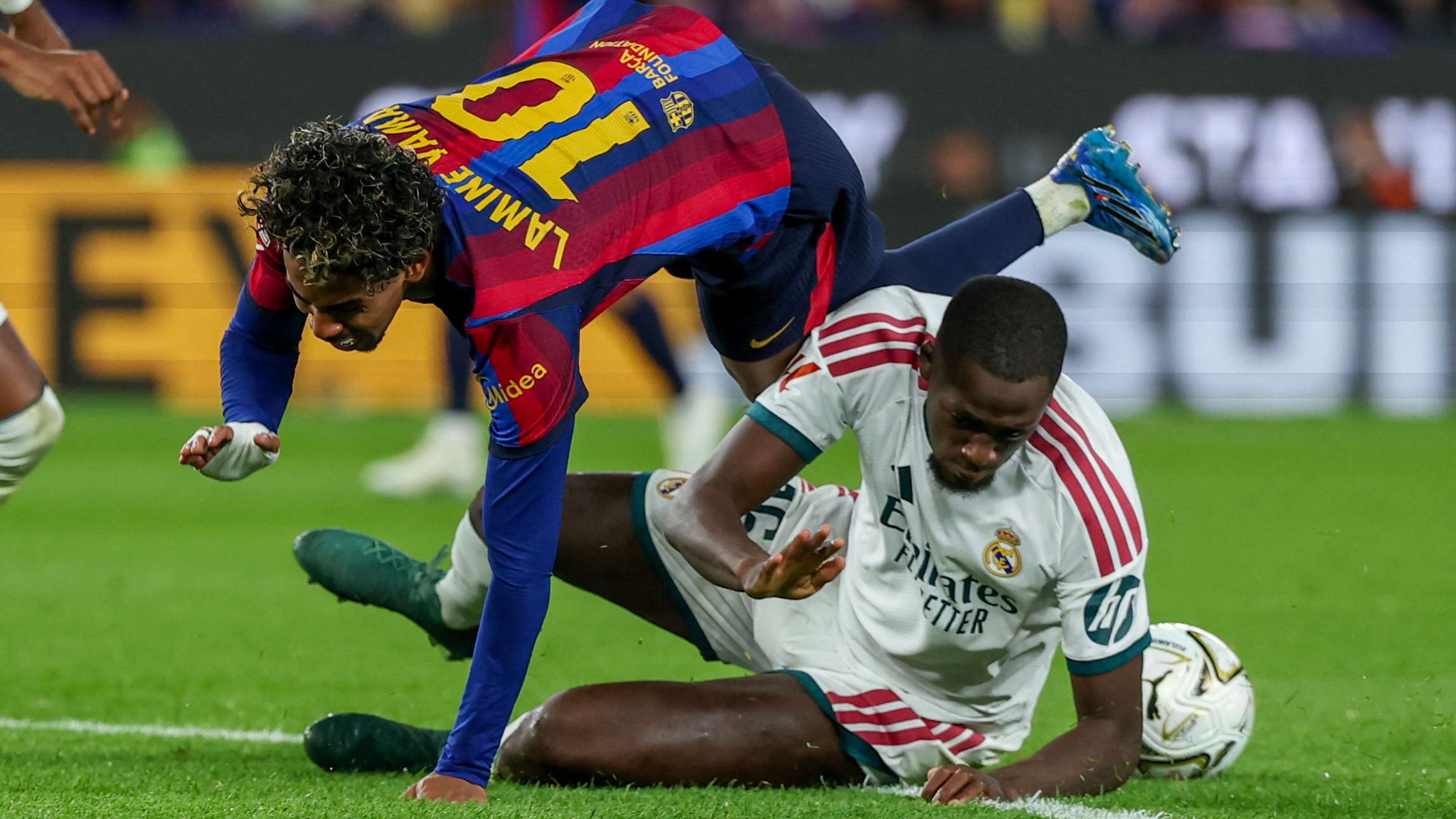
Gavi has started only two matches since the season began and has been left on the bench for much of Barcelona’s campaign. More concerning, he did not feature at all in the recent Clásico against Real Madrid or the league match against Deportivo Alavés. For a player once considered central to Barcelona’s midfield plans, the lack of involvement has prompted questions about his standing in the squad.
Figures reported by AS underline the challenge. Gavi has played 191 minutes, a modest total for a midfielder of his ability and age. Only four first-team players have recorded fewer minutes: Alejandro Balde with 116, Frenkie de Jong with 98, Bryan Gil with 90, and Roony Bardghji, who has yet to appear. While squad rotation and fitness management can affect these numbers, Gavi’s limited role is difficult to overlook.
Minutes alone do not tell the whole story. A player returning from a major knee injury may need a carefully managed workload, and coaches can be cautious about increasing demands too quickly. But Gavi’s absence from two consecutive matches—particularly a high-profile Clásico—has intensified speculation over whether his current situation reflects recovery planning, tactical preference, or simply the depth of Barcelona’s options.
Competition across the Barcelona midfield
Gavi’s position is one of the most fiercely contested areas of Flick’s team. In deeper midfield roles, he faces competition from Rodri and Marc Bernal. Higher up the pitch, Barcelona can call on Pedri, Fermín López and Dani Olmo. Each offers a different blend of creativity, control, pressing and attacking threat, giving Flick several ways to shape his midfield depending on the opponent.
That variety is a strength for Barcelona, particularly across a long season involving domestic competition and the Champions League. It also creates a difficult selection puzzle. Gavi is known for his intensity, aggression in the press and willingness to challenge for the ball, but those qualities do not automatically guarantee a starting place when other midfielders are also performing well or fit specific tactical plans.
Flick’s decisions may depend on more than a player’s reputation. The German coach must balance defensive protection, ball progression and attacking movement, while managing fatigue and the demands of a busy schedule. Gavi’s best route back into the starting XI could therefore come through a run of strong substitute appearances, a tactical change, or an opportunity created by injuries and rotation.
A pattern that has appeared before
The current spell has echoes of Gavi’s experience at the 2026 World Cup. He started Spain’s opening match against Cape Verde but did not return to the starting line-up in the games that followed. That sequence, like his Barcelona campaign, illustrates how quickly a player can move in and out of a team when coaches have several alternatives and competition for places is intense.
At Barcelona, Gavi made his first official start of the season against Elche on 23 August, featuring alongside Marc Bernal in a 5-0 victory. He then had to wait roughly two months for another start, which came against Getafe in a 3-0 win. On that occasion, he partnered Rodri. The gaps between those appearances suggest that Flick has not yet settled on a regular midfield role for him.
There are, however, reasons to avoid drawing firm conclusions too early. Barcelona’s season is long, and a player’s role can change rapidly as fixtures accumulate. Midfielders are particularly vulnerable to rotation because high-intensity pressing and repeated transitions place heavy physical demands on them. If Gavi stays fit and makes the most of his opportunities, his energy and competitive edge could become valuable as the campaign progresses.
Flick’s public support and the road ahead
Flick has continued to express faith in Gavi and has regularly praised the young midfielder in public. That backing matters, but it does not guarantee selection. The coming weeks will offer a clearer indication of whether the coach views Gavi as a regular part of his plans, a rotation option, or a player whose minutes will increase gradually as he rebuilds match fitness.
For Gavi, the priority is likely to be consistency rather than an immediate return to playing every match. Regular appearances—even as a substitute—could help him regain rhythm, sharpen his decision-making and re-establish the intensity that made him such a distinctive presence in Barcelona’s midfield. The club, meanwhile, will want to protect his long-term fitness while finding ways to use his strengths.
Any football prediction about Gavi’s role should therefore be treated with caution. Barcelona’s selection picture can shift with form, injuries, tactical adjustments and the demands of the fixture list. Still, the next run of matches may prove decisive. If Gavi remains on the bench, questions about his place will grow; if he earns meaningful minutes and responds well, he could quickly re-enter the conversation for a starting role.
For now, Gavi’s situation captures both sides of Barcelona’s midfield abundance: the club has depth and flexibility, but talented players can find opportunities limited. The challenge for Flick is to make the most of that competition without stalling the development of a player who has already overcome a major setback. The challenge for Gavi is to turn every available minute into evidence that he deserves more.