
Barcelona’s Midfield Faces a New Test as Flick Considers Gavi
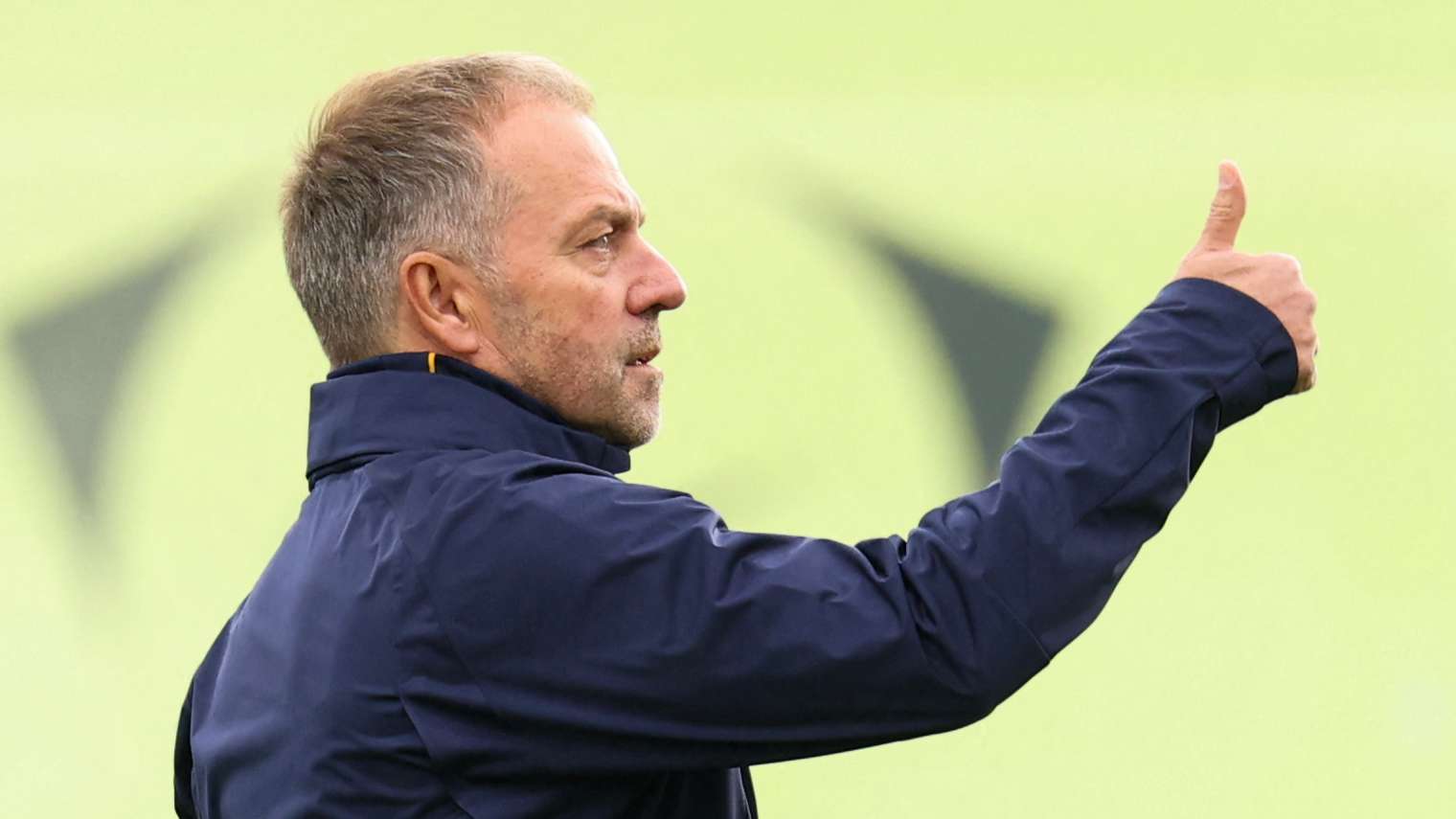
Barcelona may take an unfamiliar approach to the centre of the pitch when they host Deportivo Alavés in the 11th round of the Spanish league. With Fermín López and Dani Olmo unavailable, head coach Hansi Flick is expected to reconsider his midfield options—and could hand Gavi a rare starting opportunity alongside Pedri and Rodri.
If selected, the trio would represent a notable first for Barcelona: Rodri, Pedri and Gavi have not previously started a match together for the club. Their potential partnership is one of the most intriguing storylines ahead of Saturday’s fixture, as Flick looks to balance creativity, control and defensive work in a reshaped side.
Injuries prompt another midfield adjustment
Fermín and Olmo’s absences leave Flick with fewer established choices for the attacking and central midfield roles. Rodri and Pedri remain key figures, but the third position is less settled. According to Sport, Gavi is in line to fill that vacancy, potentially making his fifth appearance of the season and his third start.
The selection would be significant not only because of the players involved, but also because it would continue Flick’s frequent experimentation in midfield. A Gavi start would mark the seventh change to Barcelona’s midfield set-up since the campaign began, underlining how availability and tactical demands have shaped the coach’s choices.
For a team expected to control possession, the challenge is to make a new combination function without disrupting the rhythm of its build-up. Pedri’s ability to find space and progress the ball could complement Gavi’s intensity, while Rodri would be tasked with helping provide structure and protection in central areas.
Gavi looks to turn limited minutes into an opportunity
Gavi has had a relatively modest role so far this season. He has accumulated 191 minutes, placing him among the least-used players in the Barcelona squad. Only a small group—including reserve goalkeepers Livaković and Szczęsny, as well as Baldé, Frenkie de Jong, Hamza Abdelkarim and Bryan Fariñas—have played fewer minutes.
His most recent appearance came against Paris Saint-Germain, when he entered from the bench during Barcelona’s 4–2 defeat at the Parc des Princes. He played around half an hour in that match, but has not yet had the chance to start alongside both Rodri and Pedri.
That lack of shared playing time makes the possible midfield combination difficult to assess in advance. Gavi has previously appeared with either Rodri or Pedri, but never with both on the pitch at once. Saturday could therefore offer Flick a useful opportunity to test how their different qualities fit together in a competitive setting.
What each midfielder could bring
Gavi’s game is built around energy, pressing and a willingness to compete for loose balls. Those traits may help Barcelona win possession higher up the pitch and apply pressure when Alavés attempt to play out. His movement can also create passing options for teammates, although the young midfielder will need to balance that aggression with discipline to avoid leaving gaps behind him.
Pedri offers a different kind of influence. His close control, awareness and ability to move the ball through crowded areas can help Barcelona maintain their attacking flow. Rodri, meanwhile, can provide a steadier presence, connecting defence and midfield while helping the team remain compact when possession is lost.
On paper, the trio could offer a mix of work rate, technical quality and positional stability. The key question is whether they can establish clear responsibilities quickly. With little experience playing together, their spacing and communication will be important, particularly when Barcelona switch from attacking to defending.
Alavés fixture offers a valuable tactical test
Barcelona’s meeting with Alavés is more than a chance to collect points in the league. It may also help Flick evaluate his options during a period when injuries are limiting his choices. A successful performance from Gavi could strengthen his case for a larger role, while a smooth midfield display would give the coach another combination to consider in the weeks ahead.
Alavés will have their own incentive to disrupt Barcelona’s plans. Opponents often look to crowd the central areas, force turnovers and attack quickly when possession changes hands. If they can prevent Pedri from dictating the tempo or draw Gavi out of position, Barcelona may need to find alternative routes forward through the wings.
That makes the midfield battle central to any match prediction. Barcelona’s technical advantage could help them dominate the ball, but a new starting trio may need time to develop its timing. The hosts will likely aim to control the pace, move Alavés from side to side and create openings through patient passing rather than relying on individual moments alone.
What to watch in the match prediction
The most important indicator may be how quickly the midfield settles. If Gavi presses effectively without compromising the team’s shape, Barcelona could win the ball in dangerous areas and keep Alavés pinned back. If the trio struggles to coordinate, the visitors may find space to counterattack and test the home side’s defensive cover.
Gavi’s selection would also carry a personal dimension. After limited minutes, a start would give him a chance to show that he can contribute consistently rather than only as an energetic substitute. For Flick, it would be a practical test of depth and flexibility at a time when Barcelona must manage absences while maintaining their standards.
The projected line-up remains subject to confirmation, but the possibility of a first-ever Rodri-Pedri-Gavi start has already made the fixture more compelling. Whether the unfamiliar partnership becomes a long-term option or simply a solution for one evening, its performance could offer fresh clues about Barcelona’s midfield direction—and shape expectations for the match ahead.