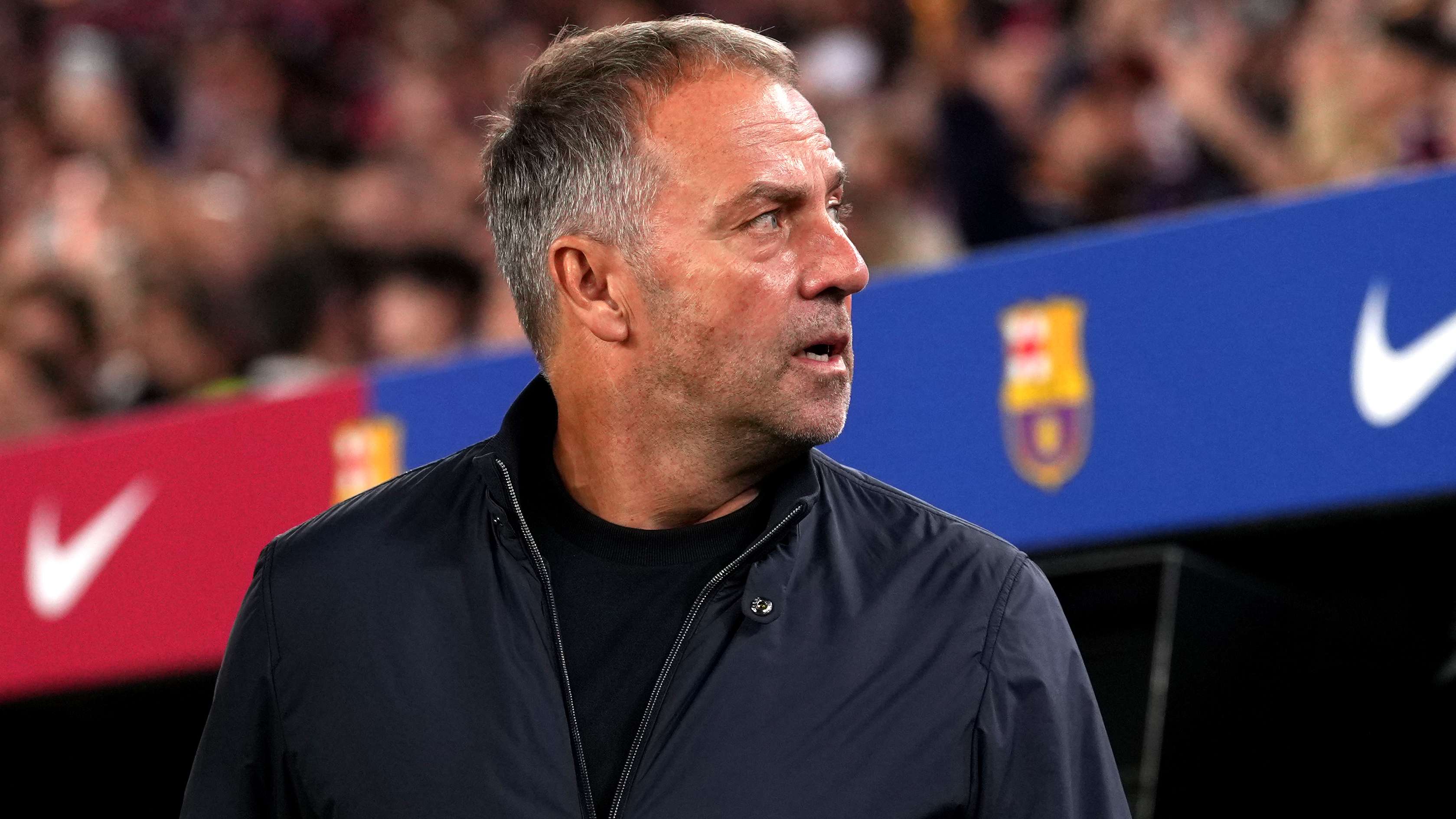

Hansi Flick Faces a Defining Test as Barcelona Seek a Football Reset
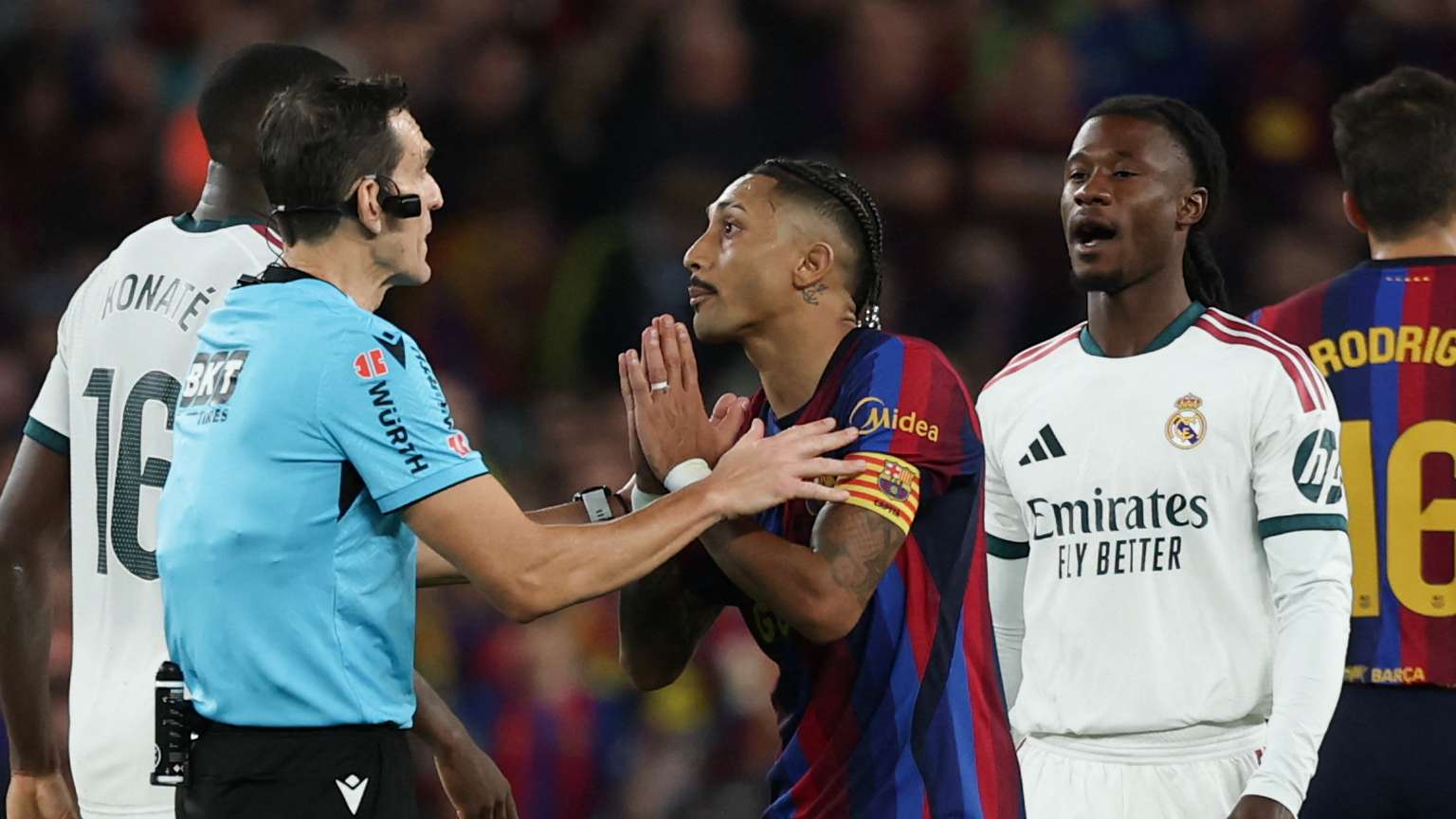
Barcelona’s recent defeats to Paris Saint-Germain and Real Madrid have raised uncomfortable questions about the team’s defensive organisation, midfield balance and ability to deliver in high-pressure football matches. For head coach Hansi Flick, the challenge is no longer simply to explain what went wrong. He must find practical answers quickly, before a difficult run of results develops into a deeper crisis.
The next three fixtures—against Deportivo Alavés, Aston Villa and Atlético Madrid—offer Flick an immediate opportunity to steady the team and show that Barcelona can respond to adversity. Each match brings a different tactical test, making the period especially important for a coach who may need to adjust his starting lineup, manage player workloads and restore confidence across the squad.
As reported by Spanish newspaper Marca, the situation calls for clear-headed decisions rather than panic. The aim is not to abandon the attacking principles that have shaped Flick’s approach, but to correct the weaknesses that have become more visible against elite opponents. Barcelona’s performance in these games could provide an early prediction of whether the team is ready to recover its competitive rhythm—or whether further changes will be needed.
Defensive Balance Is Flick’s Most Urgent Priority
Barcelona’s defensive structure is the most immediate concern. The team have struggled to maintain cohesion, and repeated concessions have exposed the risks of pressing high without enough protection behind the ball. A bold attacking approach can create chances and put opponents under pressure, but it also demands precise coordination from every player.
The issue is not simply the height of the defensive line. Barcelona must improve their judgement about when to press, when to hold their shape and when to retreat to close dangerous spaces. If the forwards and midfielders press at the wrong moment, opponents can bypass the first line and attack the space left behind the defenders. That is particularly dangerous against teams with pace and quality in transition.
Flick’s task is therefore to restore balance without taking away Barcelona’s attacking identity. The team need to press with greater coordination, cover one another more effectively and avoid turning every lost ball into an open invitation for a counterattack. In major fixtures, small defensive errors can quickly change the momentum—and, in knockout football, potentially decide an entire tie.
Injuries Complicate the Search for a Reliable Back Line
Injuries have narrowed Flick’s defensive options and made it harder to establish a consistent partnership at the back. The possible return of players including Jules Koundé, Andreas Christensen, Eric García and Espart could give the coach greater flexibility, although their availability and match fitness will be important considerations.
Rather than relying on the names that look strongest on paper, Barcelona need a defensive unit that understands its responsibilities and works as a collective. The goalkeeper and defenders are only part of that system. Midfielders must protect central areas, while attackers need to contribute to the press and help prevent opponents from building cleanly through the pitch.
That collective response could be more valuable than a single personnel change. A well-organised team can limit danger even when key defenders are unavailable; an unbalanced one can remain vulnerable regardless of individual talent.
Midfield Selection: Finding the Right Combination
Flick also faces a significant decision in midfield, where Barcelona have several players with different strengths. The challenge is not a lack of options but choosing the right combination for each opponent and giving every player a clear role.
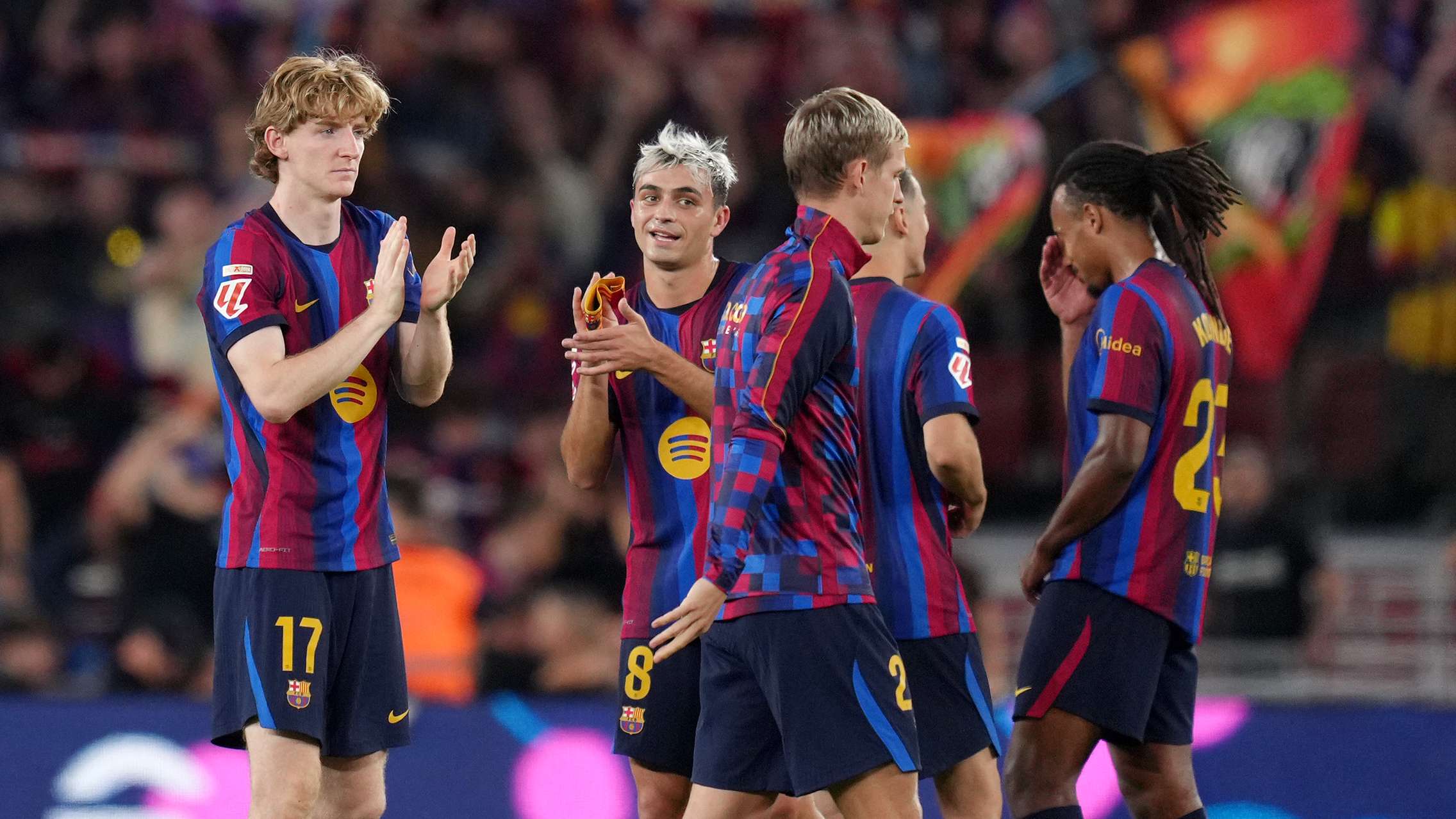
Pedri can help dictate the tempo and create openings through his vision and close control. Rodri offers experience, composure and the ability to organise possession. Frenkie de Jong can carry the ball through pressure and help launch attacks from deeper positions, while Bernal can provide structure and calm. Gavi brings intensity, aggression and the energy to compete for second balls.
Those qualities give Flick several possible midfield shapes, but selecting the most recognisable names is not enough. Barcelona need a trio—or a wider midfield structure—that can retain possession, support the press and protect the defence when attacks break down. Against a side that presses aggressively, ball-carrying ability may be essential. Against a team that threatens quickly on the counter, defensive cover could take priority.
Clear responsibilities will also matter. If players understand who should hold position, who can move forward and who must cover the space behind, Barcelona are more likely to control the middle of the pitch without sacrificing attacking threat.
Rotation Could Protect Barcelona’s Key Players
The three upcoming fixtures will not demand the same approach. Alavés may offer Barcelona a chance to regain confidence and secure a positive result, while Aston Villa will test the team against a strong opponent in European competition. Atlético Madrid are likely to present a different challenge, particularly through their organisation, physical intensity and ability to exploit mistakes.
Flick must manage minutes carefully, especially after recent physical problems and with fixtures arriving in quick succession. Rotation should not be viewed as a sign of weakness. Used intelligently, it can keep important players fresh, give squad members meaningful opportunities and reduce the risk of fatigue affecting performance.
Selection decisions should reflect three factors: a player’s physical readiness, current form and suitability for the specific match. A player who is ideal for controlling possession against one opponent may not be the best choice for a more direct or physical contest. The depth of the squad will matter only if Flick is willing to use it with purpose.
Restoring Confidence Inside the Dressing Room
Barcelona’s recovery will depend on more than tactics. Consecutive losses to major opponents can affect a team’s confidence, particularly when similar weaknesses appear from one game to the next. Players may begin to hesitate, and one mistake can lead to another if the group loses its composure.
Flick must create a calm environment while still demanding accountability. That means addressing errors honestly without allowing the dressing room to become consumed by blame or individual criticism. The response has to be collective: better communication, greater concentration and a shared commitment to the team’s defensive work.
Confidence is usually rebuilt through performance rather than speeches. A disciplined display, a well-managed match and a convincing result against Alavés could provide a foundation. From there, Barcelona would need to show that the improvement can carry into the more demanding tests against Aston Villa and Atlético Madrid.
Three Matches That Could Shape Barcelona’s Season
The coming fixtures represent more than a short-term test of results. They will show whether Flick can address the defensive problems, establish a dependable midfield balance and make Barcelona’s pressing game more controlled. They will also reveal whether the squad can respond to setbacks with the character required to compete at the highest level of football.
There is no need for Barcelona to discard their attacking ambition. But ambition must be supported by organisation, intelligent rotation and a reliable plan for defending transitions. If Flick can make those adjustments while restoring belief in the dressing room, the recent defeats may become a turning point rather than the beginning of a prolonged slump.
The pressure is real, but so is the opportunity. Barcelona’s next three matches will offer a clearer prediction of the team’s direction under Flick. The coach now needs to turn analysis into action—and show that his side can recover its balance, confidence and competitive edge.