
The Ghazi Case: German Court Ruling Sparks Controversy in Football World
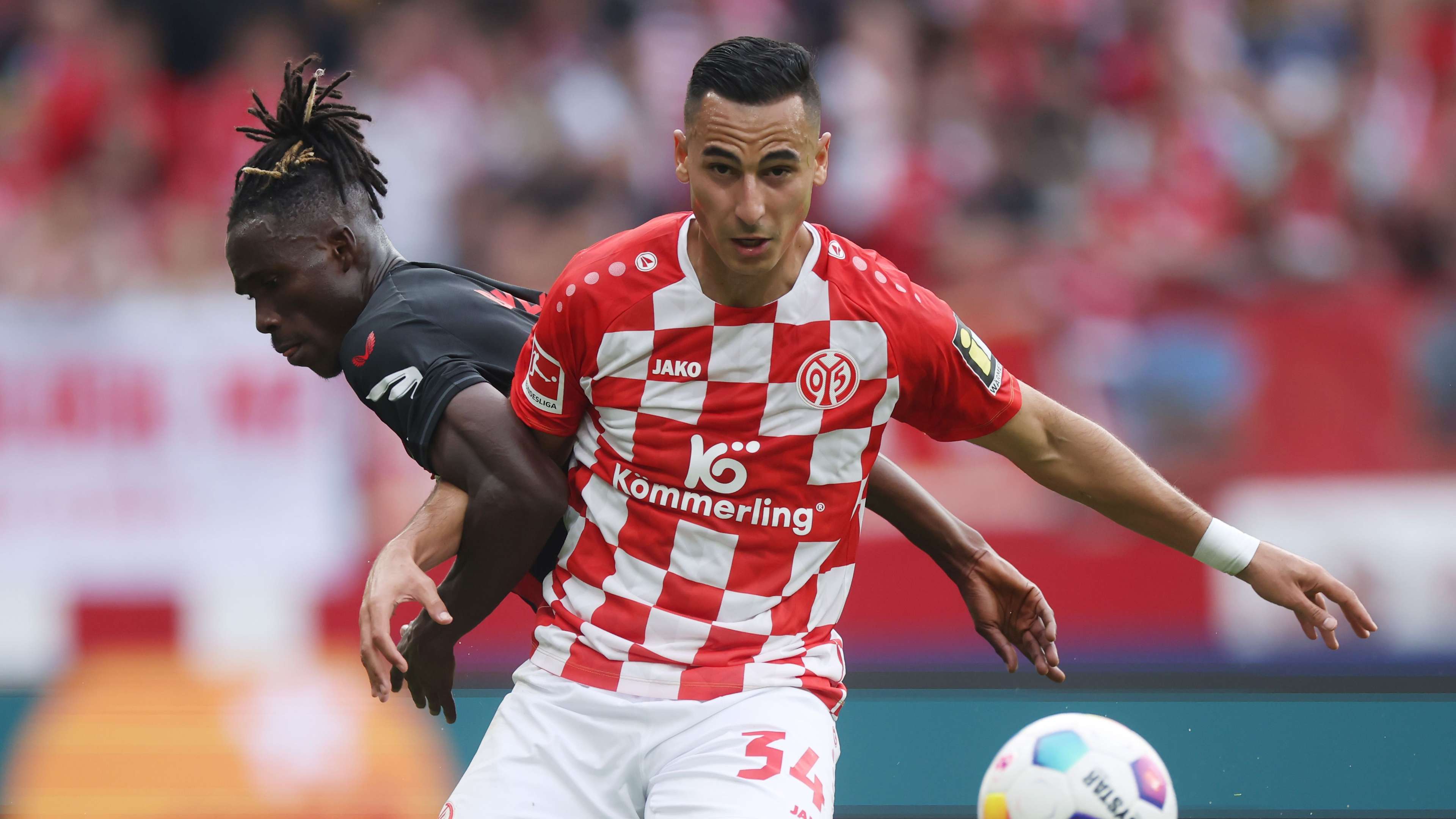
A legal dispute surrounding the unfair dismissal of former Mainz player Anwar El Ghazi has finally been settled by the German courts, causing a stir in both Germany and the Arab world. El Ghazi, a Dutch footballer of Moroccan descent, found himself in hot water with his former club in October 2023 due to his social media posts regarding the Gaza conflict.
Background of the Dispute
At the center of the controversy was El Ghazi’s decision to share a controversial political statement on his social media accounts. This led to Mainz suspending the player, who later confirmed that he stood by his views and felt no regret for his actions. Despite attempts by the club to resolve the issue, including claims that El Ghazi had retracted his statement, the player maintained his stance, resulting in the termination of his contract.
This decision entitled El Ghazi to receive compensation exceeding €1.5 million, a significant sum that Mainz was obligated to pay following the court ruling.
Court Ruling and Final Decision
Throughout the legal proceedings, Mainz had been unsuccessful in challenging the case, leading to the club’s decision to appeal the ban. However, their appeal was ultimately rejected by the courts, solidifying the rulings on the matter and confirming El Ghazi’s entitlement to compensation.
In the court’s reasoning, it was emphasized that “freedom of expression outweighs the club’s interests in this case,” highlighting the importance of an individual’s right to express their opinions without fear of repercussions from their employer.
Reactions and Impact on Football
The Ghazi case has not only captured the attention of football fans worldwide but has also sparked discussions around the role of athletes in expressing their social and political views. With the increasing influence of social media, players are finding themselves in situations where their off-field actions have real-world consequences.
As the controversy continues to unfold, it raises important questions about the boundaries of freedom of speech in the world of sports and the responsibilities that come with being a public figure.
Looking Ahead
As El Ghazi moves forward with his career, the outcome of this legal battle serves as a reminder of the complexities that can arise when personal beliefs clash with professional obligations. It also underscores the need for clear communication and understanding between players and clubs to prevent similar disputes in the future.
While the Ghazi case may have reached its conclusion in the courtroom, its impact on the football world is likely to be felt for some time to come.
Impact on Player Rights
The Ghazi case has brought to light the issue of player rights and freedom of expression in professional football. With the increasing power of social media, players now have a platform to voice their opinions on various issues, whether political, social, or personal. However, this case has shown that exercising this right can sometimes lead to conflicts with clubs and sponsors who may have different views or interests.
Players like El Ghazi are not only athletes but also individuals with beliefs and values that they may feel strongly about. The court ruling in favor of El Ghazi reaffirms the importance of protecting players’ rights to express themselves without fear of retribution from their employers. It sets a precedent for future cases involving similar disputes and sends a message that players’ voices deserve to be heard and respected.
Social Media and Athlete Activism
The Ghazi case also reflects the growing trend of athlete activism in the sports world. Athletes, like other public figures, are increasingly using their platforms to speak out on social issues, whether it be racism, discrimination, or political conflicts. This activism has sparked debates and discussions globally, with fans, clubs, and organizations weighing in on where the line should be drawn when it comes to athletes expressing their views.
While some argue that athletes should stick to sports and avoid controversial topics, others believe that they have a responsibility to use their influence for positive change. The Ghazi case highlights the challenges that athletes face when navigating these complex issues and the importance of understanding the implications of their actions both on and off the field.
Lessons for Clubs and Players
For football clubs and players, the Ghazi case serves as a valuable lesson in communication, conflict resolution, and understanding rights and responsibilities. Clubs must be clear in their expectations of players when it comes to off-field behavior and social media use. Likewise, players need to be aware of the potential consequences of their actions and the impact they may have on their careers.
Moving forward, clubs and players may need to establish clearer guidelines and protocols for addressing disputes related to personal beliefs and expressions. By fostering open dialogue and mutual respect, both parties can work towards preventing similar conflicts and finding common ground when differences arise.
Conclusion
The Ghazi case has brought to the forefront the complexities of balancing personal beliefs with professional obligations in the world of football. It has sparked important conversations about athlete activism, freedom of expression, and the rights of players in a rapidly evolving sports landscape.
As the football world grapples with the implications of this case, it is clear that the issues raised will continue to shape the way clubs, players, and fans navigate the intersection of sports, politics, and social issues. The legacy of the Ghazi case will serve as a reminder of the importance of respecting individual rights and promoting dialogue and understanding in the pursuit of a more inclusive and equitable sporting community.