
FIFA Denies Allegations of President Seeking Help from Trump Administration
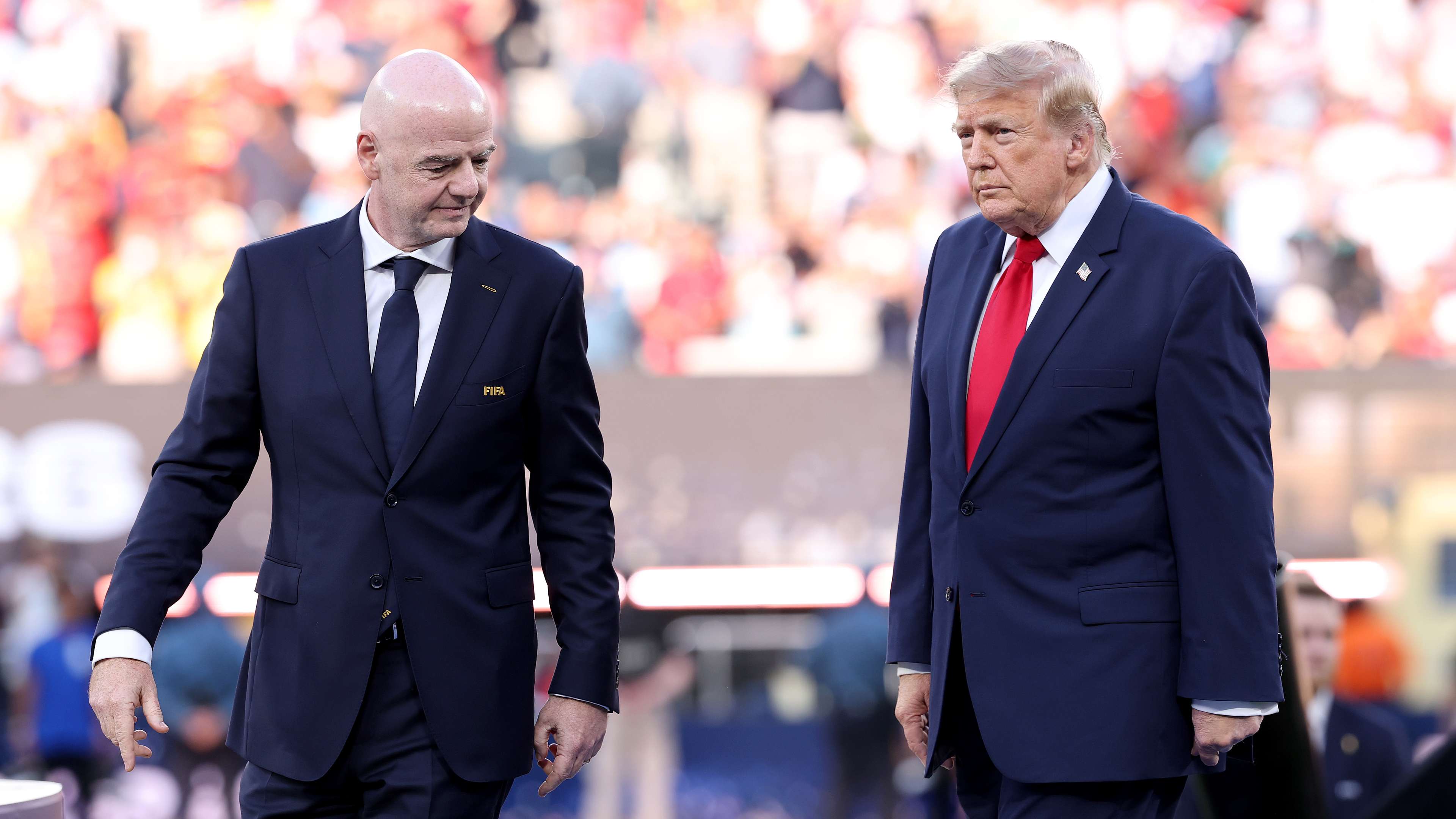
In the midst of widespread controversy, FIFA has refuted reports suggesting that its president, Gianni Infantino, sought assistance from the Trump administration amid mounting pressure regarding his future in the role. The New York Post had previously stated that Infantino had reached out to the Trump administration for support in his efforts to retain his position.
Clarification from FIFA Source
Contrary to the claims made by the New York Post, a FIFA source has stated that there was no scheduled communication between Infantino and US Secretary of State Marco Rubio or any other member of the Trump administration, either on Monday or at any other time. The source dismissed the reports of a planned conversation as untrue.
The New York Post had alleged that Infantino was set to engage in a private discussion with Rubio as pressure mounted following his unsuccessful attempt to sell a portion of FIFA’s commercial activities to private investors. The newspaper suggested that the conversation was intended to explore how football could be utilized as a form of “soft power” for the United States. However, a source familiar with the matter described the dialogue as a bid by Infantino to garner support for his position.
According to the source, “He wanted to reach out to the Secretary and talk about how football could be a form of soft power for America, but we all know it is about protecting the position. It is not about anything else at this stage.” In the aftermath of the failed proposal, Infantino purportedly made repeated attempts to connect with Trump and sought backing from influential allies willing to publicly advocate for him.
FIFA’s Response
FIFA’s source categorically denied any planned communication with Rubio or other officials within the Trump administration. The world governing body did not issue an official statement in response to the claim about Infantino’s alleged efforts to establish contact with Trump.
With the controversy surrounding Infantino’s actions and intentions, FIFA remains under scrutiny as the situation continues to unfold. The allegations of seeking support from the Trump administration have added a new layer of complexity to the ongoing issues faced by the organization.
As stakeholders await further developments, the spotlight remains on Infantino and FIFA, with questions surrounding the future of the presidency and the potential repercussions of these recent events. Stay tuned for updates as the story progresses.
The Impact of Political Involvement in International Football
The intersection of politics and football is not a new phenomenon. Throughout history, we have seen how political figures and world leaders have used the sport as a tool for diplomacy, propaganda, and power. From the infamous “Football War” between El Salvador and Honduras in 1969 to more recent instances of governments leveraging football for their own agendas, the relationship between politics and the beautiful game is complex and multifaceted.
When the president of FIFA, the governing body of world football, is embroiled in allegations of seeking political support to maintain his position, it raises important questions about the autonomy and integrity of the sport. FIFA, as an organization, is supposed to be independent and free from political influence, ensuring fair play and transparency in the global game. However, incidents like the one involving Gianni Infantino shed light on the challenges of keeping politics at bay in the world of football.
The Role of Soft Power in Football
The idea of football as a form of “soft power” is not a new concept. Countries have long recognized the potential of the sport to foster goodwill, build relationships, and enhance their global image. Hosting international tournaments, investing in grassroots football programs, and promoting national teams on the world stage are all ways in which nations use football to exert influence and shape perceptions.
Gianni Infantino’s alleged attempt to leverage football as a tool for political gain underscores the power dynamics at play in the sport. By seeking support from the Trump administration and other influential allies, Infantino was not only trying to secure his position but also utilizing football as a means to bolster his own standing and influence within the world of sports governance.
Transparency and Accountability in Football Governance
With the ongoing scrutiny surrounding FIFA and its leadership, the need for transparency and accountability in football governance becomes increasingly apparent. Allegations of political interference, backroom dealings, and conflicts of interest erode trust in the organization and raise concerns about the integrity of the sport.
As fans, players, and stakeholders demand greater transparency from football’s governing bodies, it is essential for organizations like FIFA to uphold the highest standards of ethics and governance. The future of the sport depends on the ability of its leaders to act with integrity, uphold the principles of fair play, and prioritize the interests of the game above all else.
Looking Ahead
As the controversy surrounding Gianni Infantino and his alleged interactions with the Trump administration continues to unfold, the world of football remains on edge. The implications of these events could have far-reaching consequences for FIFA, its leadership, and the future of the sport as a whole.
It is crucial for stakeholders to closely monitor the developments in this story and hold football’s governing bodies accountable for their actions. By promoting transparency, integrity, and good governance, we can ensure that the beautiful game remains a source of joy, inspiration, and unity for fans around the world.
As the saga continues, it is essential to remember the values that make football so beloved: teamwork, respect, and fair play. Let us hope that FIFA and its leadership uphold these values as they navigate the challenges ahead.