
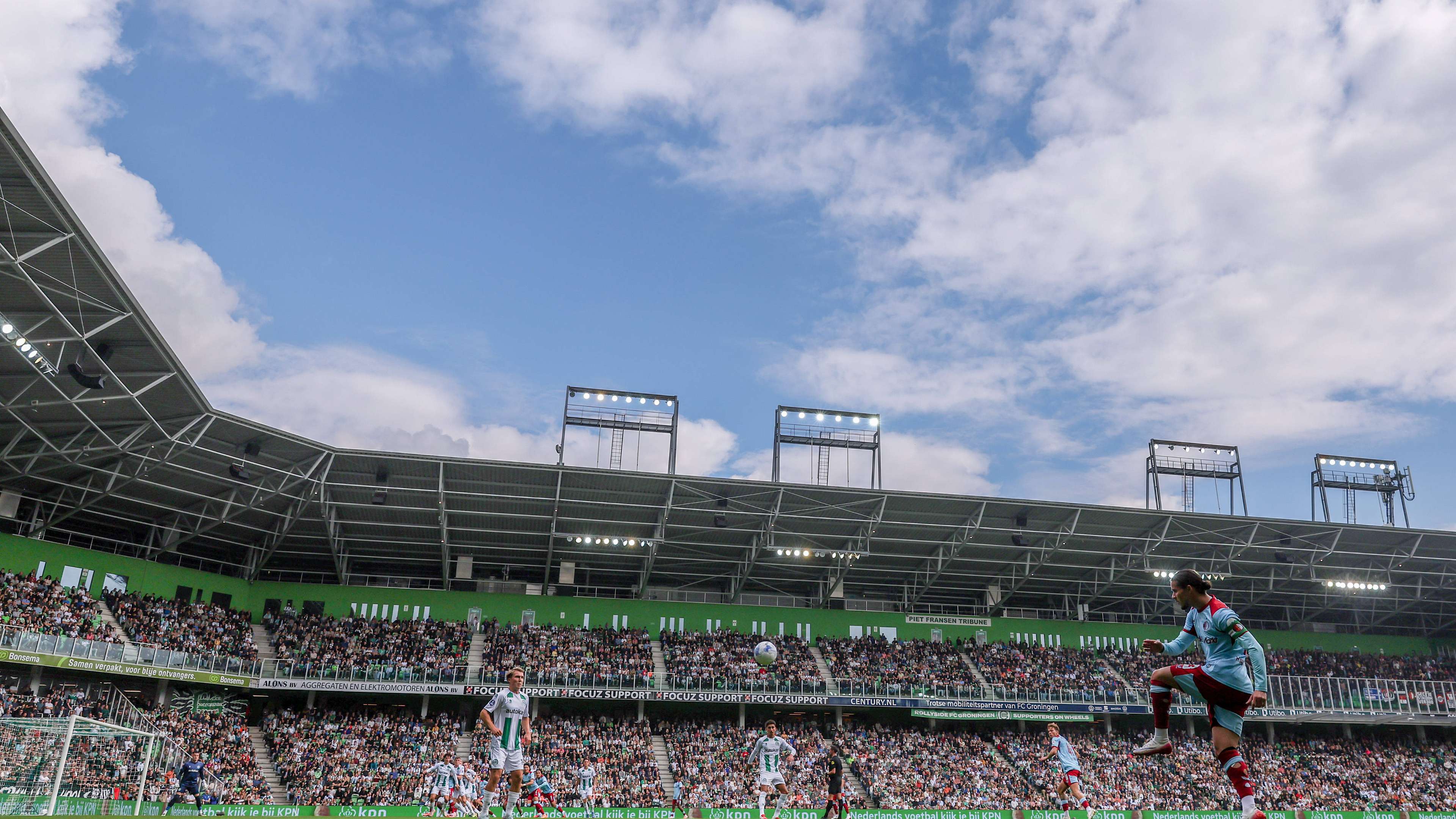

FC Groningen Supporters Consider Boycotting Away Match Against Feyenoord
Some FC Groningen supporters are contemplating boycotting the upcoming away match against Feyenoord scheduled for 25 April. The Noordtribune Groningen supporters’ group has taken to social media, specifically Instagram, to urge their fellow fans to join them in this protest. The group is expressing their dissatisfaction with the conditions set for the trip to Rotterdam.
Boycott Call
“We at Noordtribune Groningen have made the decision to boycott the away match against Feyenoord. We urge all supporters to stand with us in this action. Individuals have already faced consequences in the past year,” reads the statement from the supporters’ group.
The supporters believe that the current situation amounts to double punishment. Previous incidents have supposedly been addressed, yet Feyenoord has once again implemented measures that impact the entire supporters’ group.
Imposed Measures
Feyenoord has put forth a set of regulations for Groningen supporters, including mandatory coach travel, a reduction of the away section’s capacity from 1,200 to 600 seats, a prohibition on alcohol consumption during the coach journey and in the away section, as well as a ban on the use of drums.
According to the supporters’ group, these stringent rules make it challenging to enjoy an away match in a typical fashion. “This combination of restrictions makes it unfeasible to attend an away match in a regular, hospitable, and vibrant manner.”
Appeal to Fanbase
The supporters’ group ends with a firm message to the fanbase and a call for a reconsideration of the supporter measures policy. “We firmly oppose any type of collective punishment. Put an end to collective punishment! Boycott away matches against Feyenoord!”
It remains to be seen how many FC Groningen fans will heed the call for a boycott and what impact it will have on the upcoming match against Feyenoord. This situation underscores the ongoing tensions between supporters and clubs regarding fan policies and regulations.
Future Developments
As the date of the match approaches, all eyes will be on how the situation unfolds and whether any resolutions or compromises can be reached between the two parties. The outcome of this boycott may have ripple effects on future interactions between FC Groningen supporters and Feyenoord.
Overall, the dispute highlights the intricate dynamics between football clubs and their loyal fanbase, emphasizing the importance of open communication and mutual respect in maintaining a positive relationship.
Historical Context of Fan Protests in Football
Boycotting matches or staging protests is not a new phenomenon in the world of football. Fans have long used these tactics to voice their dissatisfaction with various issues, such as ticket prices, treatment by club management, or restrictive regulations imposed by authorities.
One of the most famous examples of fan protests dates back to 1989 when Liverpool fans boycotted The Sun newspaper due to its controversial coverage of the Hillsborough disaster. This boycott remains in effect to this day, demonstrating the enduring power of fan solidarity in football.
Impact of Social Media on Fan Activism
In recent years, social media platforms like Instagram, Twitter, and Facebook have become powerful tools for fans to organize protests, spread awareness, and garner support for their causes. The Noordtribune Groningen supporters’ group’s use of Instagram to call for a boycott is a prime example of how modern technology can amplify fan activism.
By leveraging social media, fans can reach a larger audience, coordinate actions more efficiently, and exert pressure on clubs and governing bodies. This digital age of fan activism has reshaped the dynamics of fan-club relationships and empowered supporters to have their voices heard more effectively.
The Balancing Act of Fan Safety and Experience
While clubs and authorities often implement strict measures in the name of safety and security, there is a delicate balance to be struck between ensuring fan safety and preserving the matchday experience. Restrictions on alcohol consumption, seating arrangements, and instrument usage are common practices aimed at maintaining order in stadiums.
However, as the Noordtribune Groningen supporters’ group argues, excessive regulations can detract from the enjoyment of the game for fans. Finding a middle ground where safety protocols are respected without compromising the vibrant atmosphere of football matches is a challenge that clubs and supporters continue to grapple with.
Looking Ahead: Potential Resolutions and Compromises
As the standoff between FC Groningen supporters and Feyenoord unfolds, there is an opportunity for dialogue and negotiation to find mutually acceptable solutions. Both parties have a vested interest in ensuring that matches can be enjoyed by fans while upholding safety standards.
Potential compromises could involve revisiting the imposed measures, exploring alternative arrangements for away fans, or engaging in constructive discussions to address the underlying grievances. By fostering open communication and a spirit of collaboration, clubs and supporters can work towards resolving conflicts and strengthening their relationship.
Conclusion
In conclusion, the boycott of the upcoming away match against Feyenoord by FC Groningen supporters highlights the complex interplay between fans, clubs, and authorities in the world of football. It underscores the importance of respect, communication, and finding a balance between safety and fan experience.
As the situation continues to evolve, it presents an opportunity for both sides to reflect, engage in dialogue, and seek common ground for the betterment of the football community. Ultimately, the resolution of this dispute may pave the way for more harmonious fan-club relations and a more inclusive matchday experience for all supporters.