
Michael Carrick’s Manchester United Future Remains Uncertain Despite Late Fightback
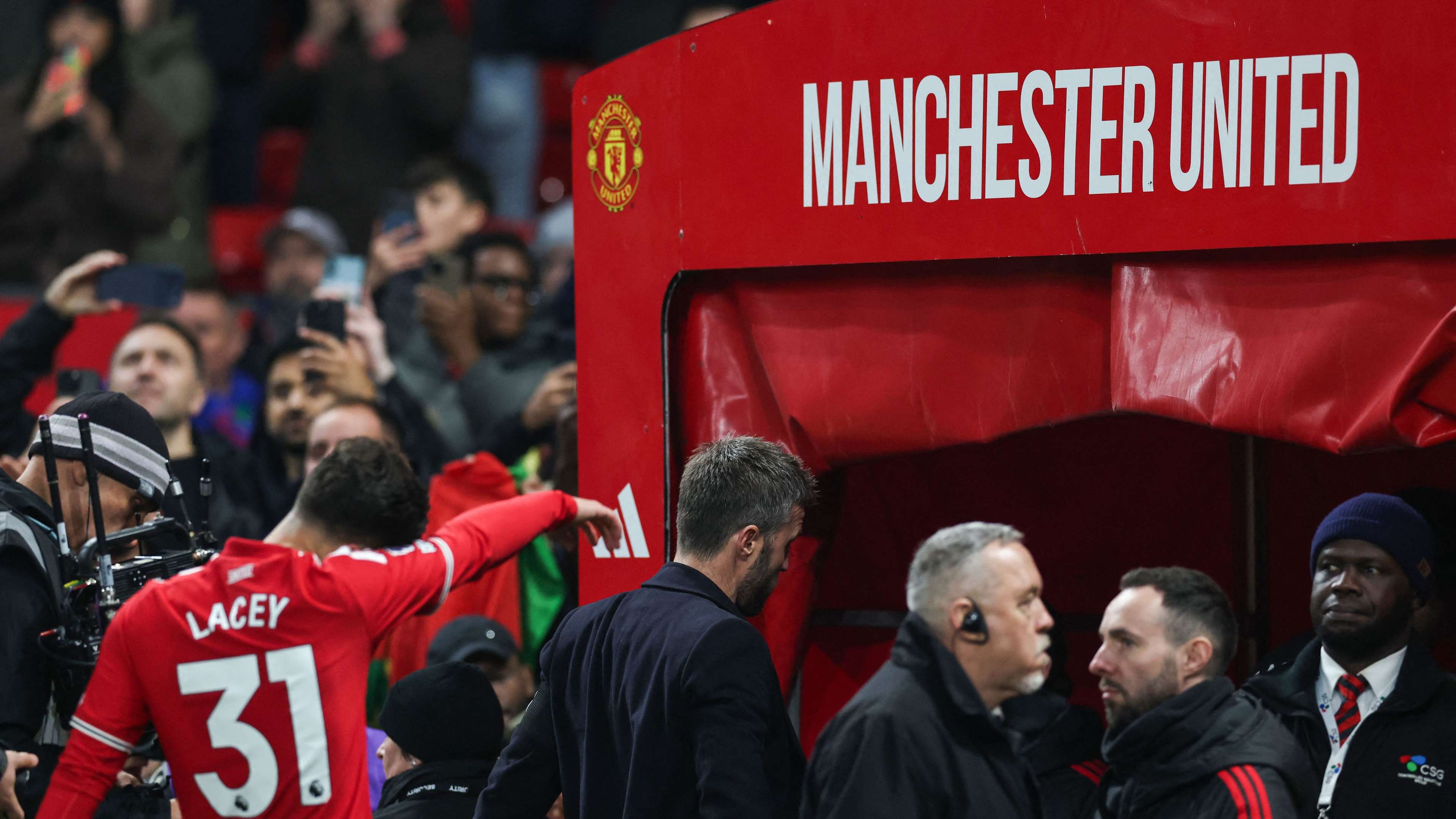
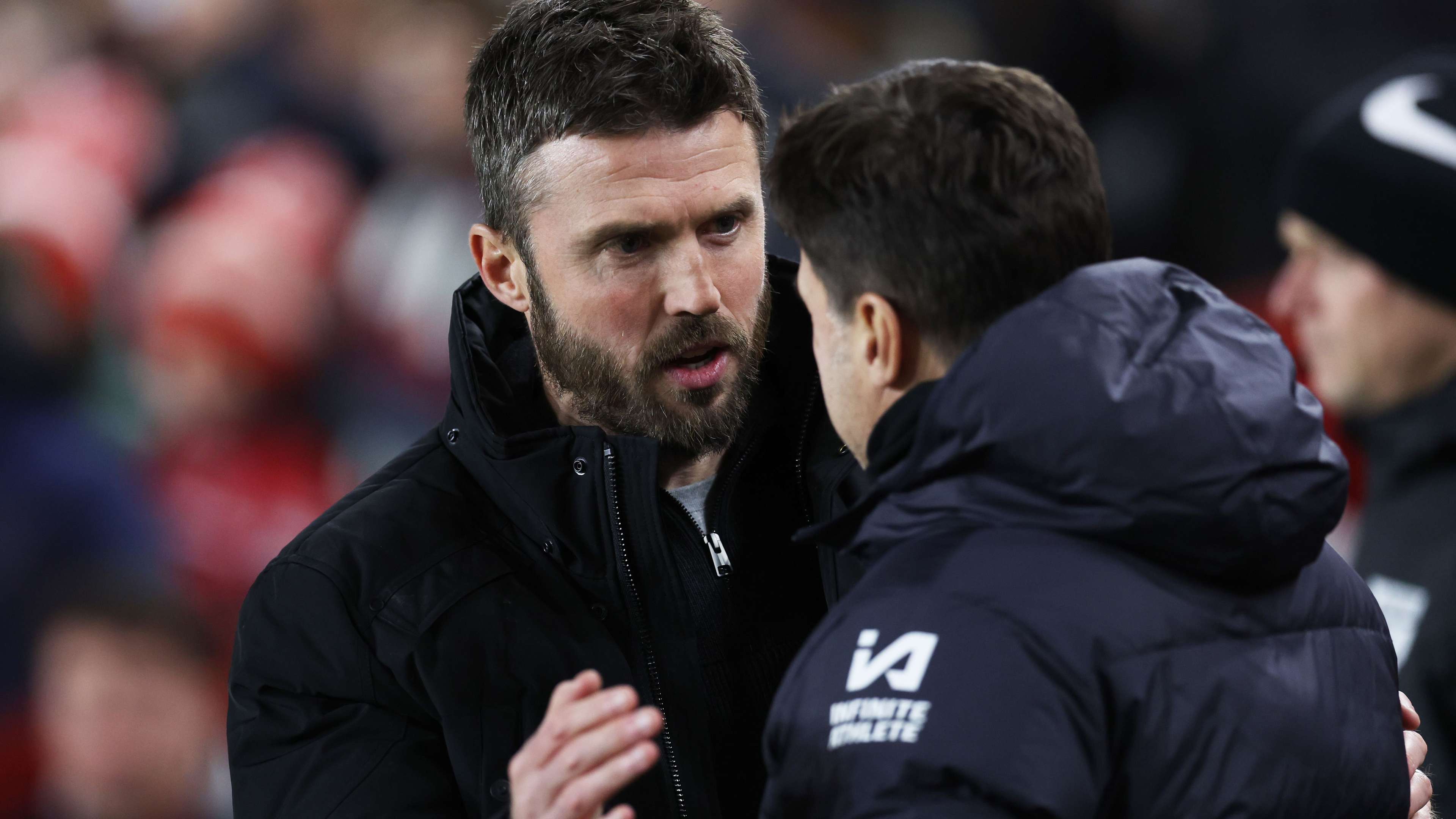
Manchester United have shown renewed resilience in recent matches, but their improved performances have not yet settled the biggest question surrounding the club: will Michael Carrick remain in charge? A dramatic draw with Aston Villa may have offered encouragement on the pitch, yet United’s decision-makers are still considering the manager’s longer-term future.
According to talkSPORT journalist Alex Crook, the atmosphere at the club’s Carrington training centre was calm following the latest result. Carrick is expected to stay in his role for now, but that does not necessarily mean he has secured the job beyond the current period. United’s leadership has not made a final decision about the coaching structure, leaving supporters to watch for developments during the coming weeks.
United’s Recent Comebacks Offer Signs of Character
The team’s last two matches have provided a striking contrast to the uncertainty behind the scenes. United overturned a two-goal deficit to beat Roma 3-2 in the Champions League, then fought back twice against Aston Villa in the Premier League before settling for an entertaining 4-4 draw.
Against Villa, United were behind 2-0 and later 4-2, but continued to attack rather than surrender the contest. That determination will matter to Carrick as he tries to convince the club’s leadership that the side is moving in the right direction. A comeback does not erase defensive problems or guarantee consistent results, but it can demonstrate belief, energy and a willingness to compete under pressure.
For fans assessing the team’s progress, the key issue is whether these performances represent a genuine change in direction or simply isolated bursts of spirit. United have often been judged not only on results but also on their ability to control matches, defend leads and produce reliable football across a full 90 minutes. Carrick’s challenge is to turn recent fightbacks into sustained improvement.
International Break Could Shape the Club’s Decision
Crook reported that Manchester United had planned to review Carrick’s position during the international break. The club had already considered whether a change to its technical staff was needed after a draw with Bournemouth, suggesting that concerns about the coaching setup predate the latest run of dramatic matches.
One possibility under discussion is to keep Carrick in charge while adding new members to his technical team. Such a move could give the manager additional support without forcing the club into a disruptive mid-season appointment. It would also allow United to address specific weaknesses—such as defensive organisation or match management—while giving Carrick more time to demonstrate that he can lead the squad.
That approach may appeal to a club reluctant to make a major change during a demanding campaign. Replacing a manager mid-season can bring short-term uncertainty, particularly when a new coach has little time to assess the squad, establish a tactical plan and prepare players for a busy fixture schedule. Strengthening the staff could therefore be a more measured option, although it would not remove questions about Carrick’s long-term position.
Aaron Danks Had Previously Been Considered
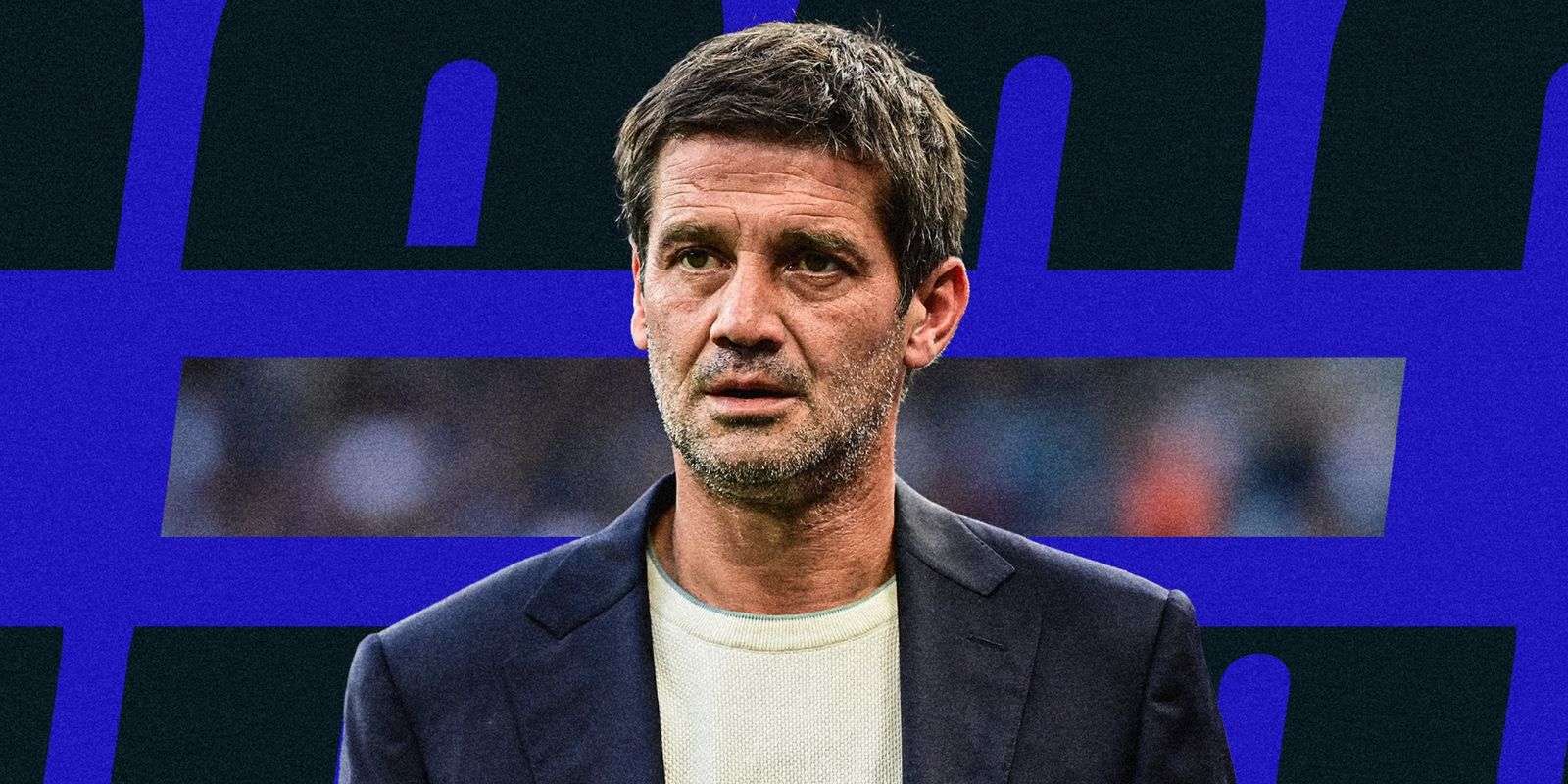
One name connected to United’s earlier thinking is Aaron Danks, the English coach who has worked as an assistant at Bayern Munich. Crook said Danks was among the targets considered last summer as the club looked at possible additions to its technical staff.
A move for Danks now appears unlikely. He has taken on greater responsibilities at Bayern and has reportedly contributed during a period when head coach Vincent Kompany was unwell. Those developments may make it difficult for United to bring him to Old Trafford in the middle of the season. Even if Danks is unavailable, however, his previous inclusion on United’s list illustrates that the club has been exploring ways to reinforce the coaching department.
Mauricio Pochettino Emerges as a Potential Alternative
If United’s leadership ultimately decides to move on from Carrick, Mauricio Pochettino is one of the high-profile managers who could attract attention. Crook said the Argentine would relish the opportunity to take charge at Manchester United. Pochettino currently manages the United States national team, but his extensive experience in English football makes him a familiar name to Premier League supporters.
His strongest Premier League work came at Tottenham Hotspur, where he built a competitive side despite operating with a comparatively modest transfer budget. Spurs finished in the top four for four consecutive seasons under his leadership and reached the 2018-19 Champions League final. That campaign helped establish Pochettino as a coach capable of developing a team while competing against clubs with greater spending power.
His subsequent spell at Chelsea was more mixed. The team finished sixth in the league, reached the League Cup final and advanced to the FA Cup semi-finals, but Pochettino left by mutual consent after one season. His record offers both promise and caution: he has delivered notable progress, yet his latest Premier League appointment did not develop into a long-term project.
Compensation and Timing Could Complicate a Move
Pochettino’s current contract with the United States national team is a major practical obstacle. Manchester United would likely need to negotiate with the US Soccer Federation and pay compensation to secure his services. The timing may also be complicated by the demands of international football and the United States’ preparations for its upcoming schedule.
That means Pochettino may be an attractive name on a potential shortlist without being an easy appointment to complete. United would need to weigh the cost of a release from his contract against the risks of keeping Carrick or choosing another candidate. The club’s decision is therefore not simply about identifying a respected coach; it is also about timing, finances and the direction it wants its football project to take.
What Happens Next for Manchester United?
For now, Carrick appears likely to remain in charge, with the club expected to continue assessing the situation rather than rush into a change. The recent comebacks have strengthened the case for patience, but the draw with Villa also underlined the defensive issues that United must address if they are to turn entertaining football into dependable results.
The next phase will be important for both Carrick and the club’s leadership. United must decide whether stronger support around the manager can improve performances or whether a more substantial change is required. Any prediction about Carrick’s future remains uncertain until the club makes its position clear, but the debate is likely to continue as results, performances and possible coaching candidates are closely monitored.
For supporters, the central question is whether United’s renewed fight marks the beginning of a lasting recovery. Carrick has shown that his team can respond when matches become difficult. Now he must show that the side can combine that spirit with organisation, consistency and control—the qualities Manchester United need to compete at the highest level of football.