
Gabriele Gravina’s Resignation Sends Shockwaves Through Italian Football
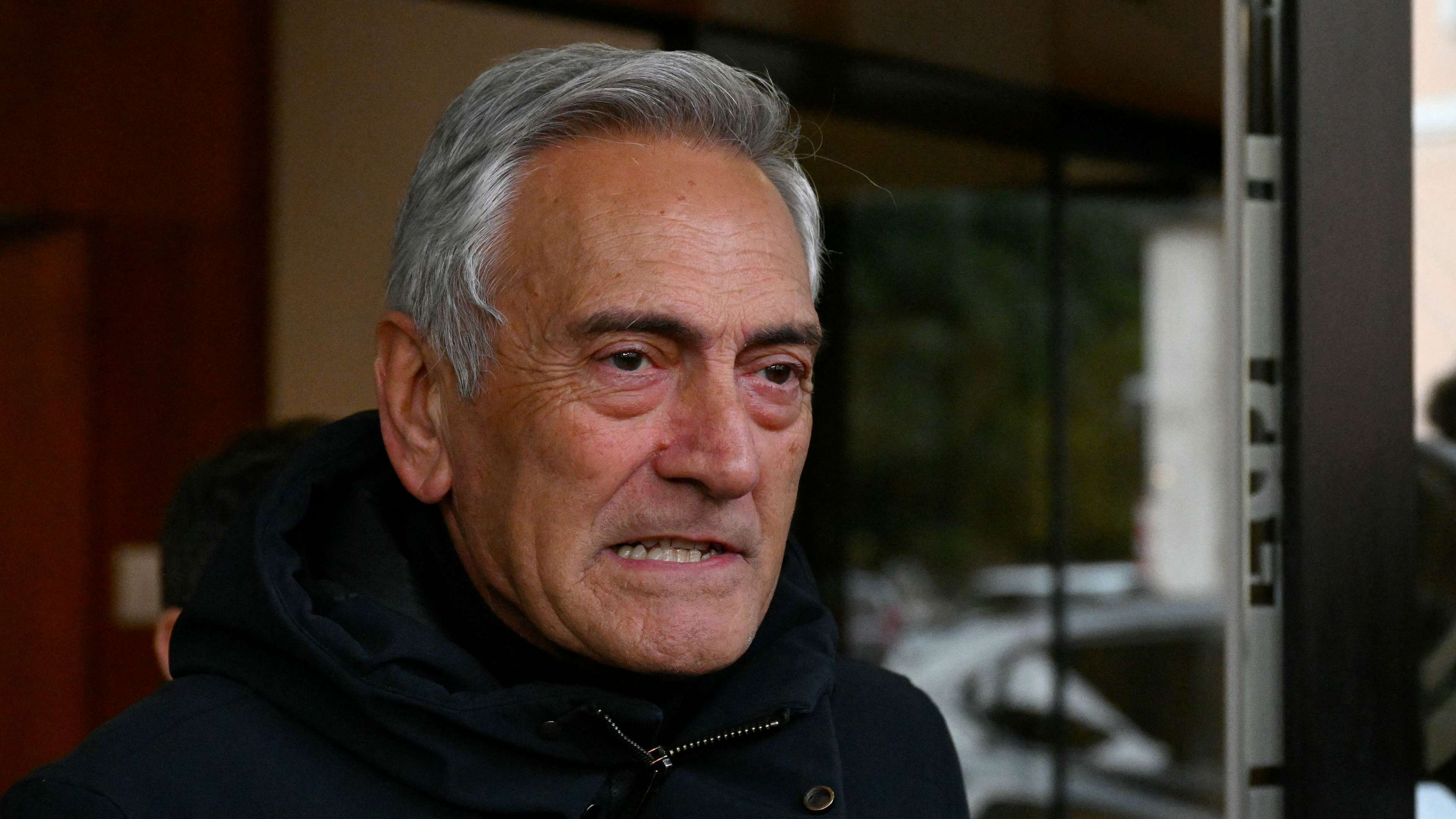
After Italy’s devastating failure to qualify for the World Cup, Gabriele Gravina, the president of the Italian Football Federation (FIGC), has announced his resignation. However, his departure is far from quiet, as he has released an 11-page manifesto highlighting the issues plaguing Italian football.
The Fallout of Italy’s World Cup Qualification Disaster
Italy’s failure to qualify for the World Cup sent shockwaves through the footballing world. As the president of the FIGC, Gabriele Gravina bore the brunt of the criticism for the Azzurri’s poor performance. In response, Gravina has decided to step down, but not without making his grievances known.
Gravina’s Scathing Manifesto
In his 11-page manifesto, Gravina outlined what he believes to be the “structural deficiencies” within Italian football that have led to the national team’s decline. He spares no one in his critique, pointing fingers at coaches, players, and the overall management of the sport in Italy.
Gravina’s manifesto is a detailed account of the issues he believes have contributed to Italy’s downfall on the international stage. From the lack of investment in youth development to the overreliance on outdated tactics, Gravina pulls no punches in his assessment of the state of Italian football.
The Future of Italian Football
With Gabriele Gravina stepping down as FIGC president, the future of Italian football hangs in the balance. The incoming leadership will have to address the issues raised in Gravina’s manifesto if they hope to revive the Azzurri’s fortunes on the world stage.
One key aspect that the new leadership will need to focus on is youth development. Gravina’s manifesto highlighted the need for greater investment in nurturing young talent and providing them with the resources they need to succeed at the highest levels of the game.
Additionally, the new leadership will have to address the tactical shortcomings that have plagued the Italian national team in recent years. Gravina called for a more modern approach to coaching and tactics, emphasizing the need for innovation and adaptability in order to compete with the best teams in the world.
In Conclusion
Gabriele Gravina’s resignation as FIGC president has brought to light the deep-rooted issues facing Italian football. His scathing manifesto serves as a wake-up call to those in charge of the sport in Italy, urging them to take action to address the structural deficiencies that have hampered the Azzurri’s success.
As Italy looks to rebuild and regroup after its World Cup qualification disaster, the incoming leadership will need to heed Gravina’s warnings and work towards a brighter future for Italian football.
Rebuilding Italian Football: A Path Forward
As Italy grapples with the aftermath of its World Cup qualification failure and the resignation of Gabriele Gravina, the roadmap to revitalizing Italian football becomes clearer. The incoming leadership of the FIGC will need to tackle a multitude of challenges to ensure that the Azzurri return to their former glory on the international stage.
Investing in Youth Development
One of the most pressing issues highlighted by Gravina’s manifesto is the lack of investment in youth development in Italian football. To address this, the new leadership must prioritize the nurturing of young talent from a grassroots level. Implementing comprehensive youth programs, improving scouting networks, and providing top-notch coaching for young players will be essential in producing the next generation of Italian football stars.
By investing in youth development, Italy can build a sustainable pipeline of talent that will not only benefit the national team but also strengthen club football in the country. Establishing clear pathways for young players to progress through the ranks and reach the highest level of the sport will be crucial in shaping the future of Italian football.
Embracing Modern Tactics and Coaching Methods
Gravina’s manifesto also highlighted the need for a more modern approach to coaching and tactics in Italian football. The new leadership must prioritize innovation and adaptability in order to keep pace with the ever-evolving landscape of the sport. Embracing new technologies, data analysis, and cutting-edge training methods will be vital in helping Italian teams compete at the highest levels.
Furthermore, fostering a culture of creativity and risk-taking in coaching will be key to breaking away from the traditional mindset that has held Italian football back in recent years. Encouraging coaches to experiment with different formations, playing styles, and strategies will help Italian teams become more dynamic and unpredictable on the field.
Strengthening Club Competitions
In addition to focusing on the national team, the FIGC must also work towards strengthening club competitions in Italy. A robust domestic league is essential for the development of players and the overall growth of the sport in the country. The new leadership should look to enhance the competitiveness of Serie A, attract top talent from around the world, and improve the quality of football on display.
By revitalizing club competitions, Italian football can create a strong foundation that will ultimately benefit the national team. Providing clubs with the resources and support they need to excel both domestically and in European competitions will help raise the overall standard of football in Italy.
Looking Ahead
As Italian football stands at a crossroads, the decisions made by the incoming leadership of the FIGC will shape the future of the sport in the country. By addressing the structural deficiencies outlined by Gabriele Gravina and implementing reforms that prioritize youth development, modern tactics, and strong club competitions, Italy can set itself on a path towards success on the world stage.
It will be a challenging journey ahead, but with the right vision, leadership, and commitment to change, Italian football can once again rise to prominence and reclaim its status as a powerhouse in the global game.