
CAF Enters the Fray: Motsepe to Lead Meeting on FIFA’s Controversial Proposal
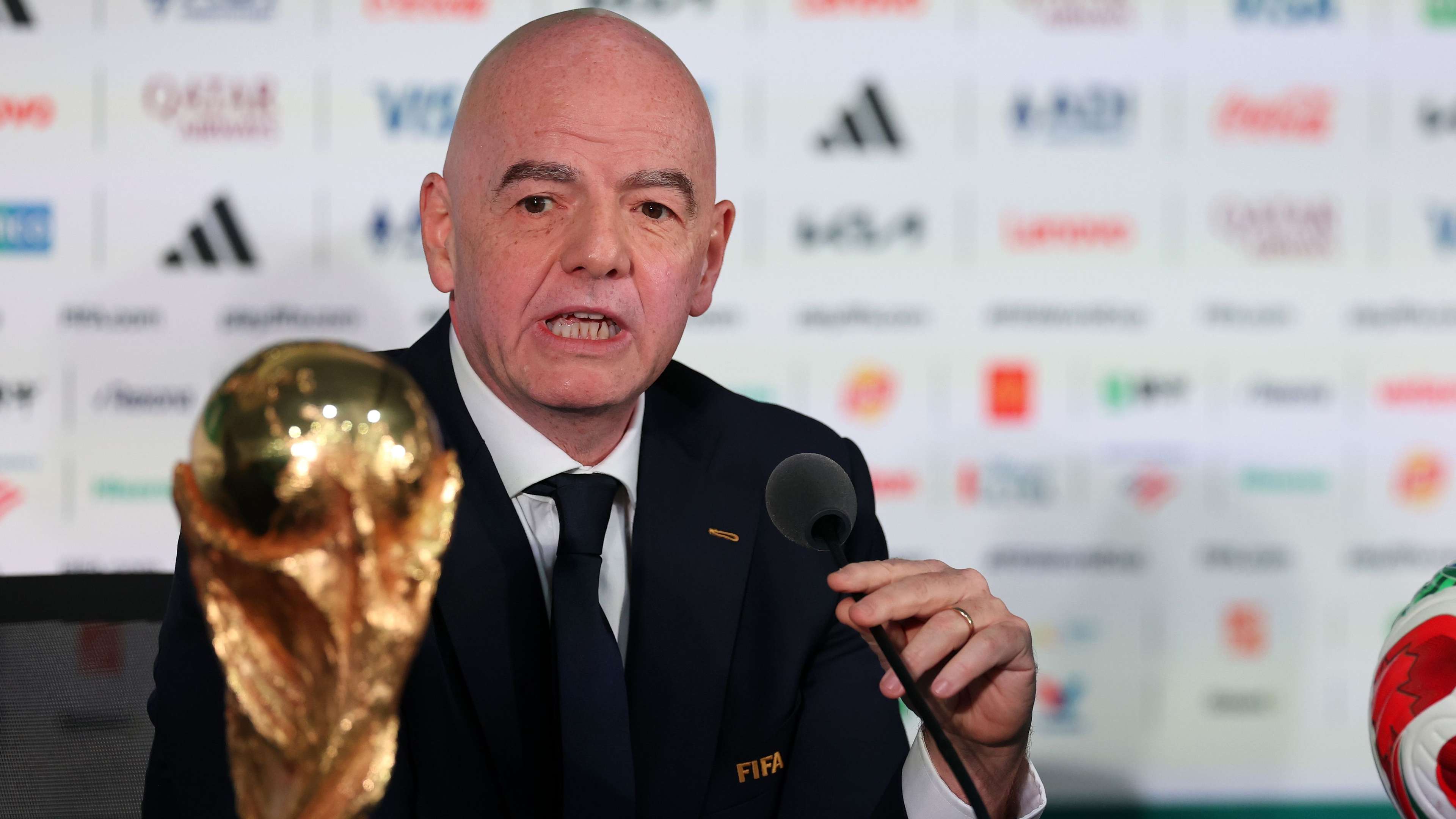
In a move that has stirred up controversy in the football world, CAF has stepped in to address the unfolding crisis surrounding Gianni Infantino’s new project, which was recently unveiled by the FIFA president. The proposal involves selling shares of the World Cup to private-sector investors, a concept that has raised concerns and sparked backlash from various football entities.
Immediate Backlash
FIFA’s confirmation of Infantino’s plan on Tuesday brought swift condemnation from several quarters, with UEFA and numerous national associations, including England’s, expressing strong opposition. Africa has also joined the chorus of dissent, with the Confederation of African Football (CAF) releasing a statement on their official website on Wednesday.
Patrice Motsepe Takes the Lead
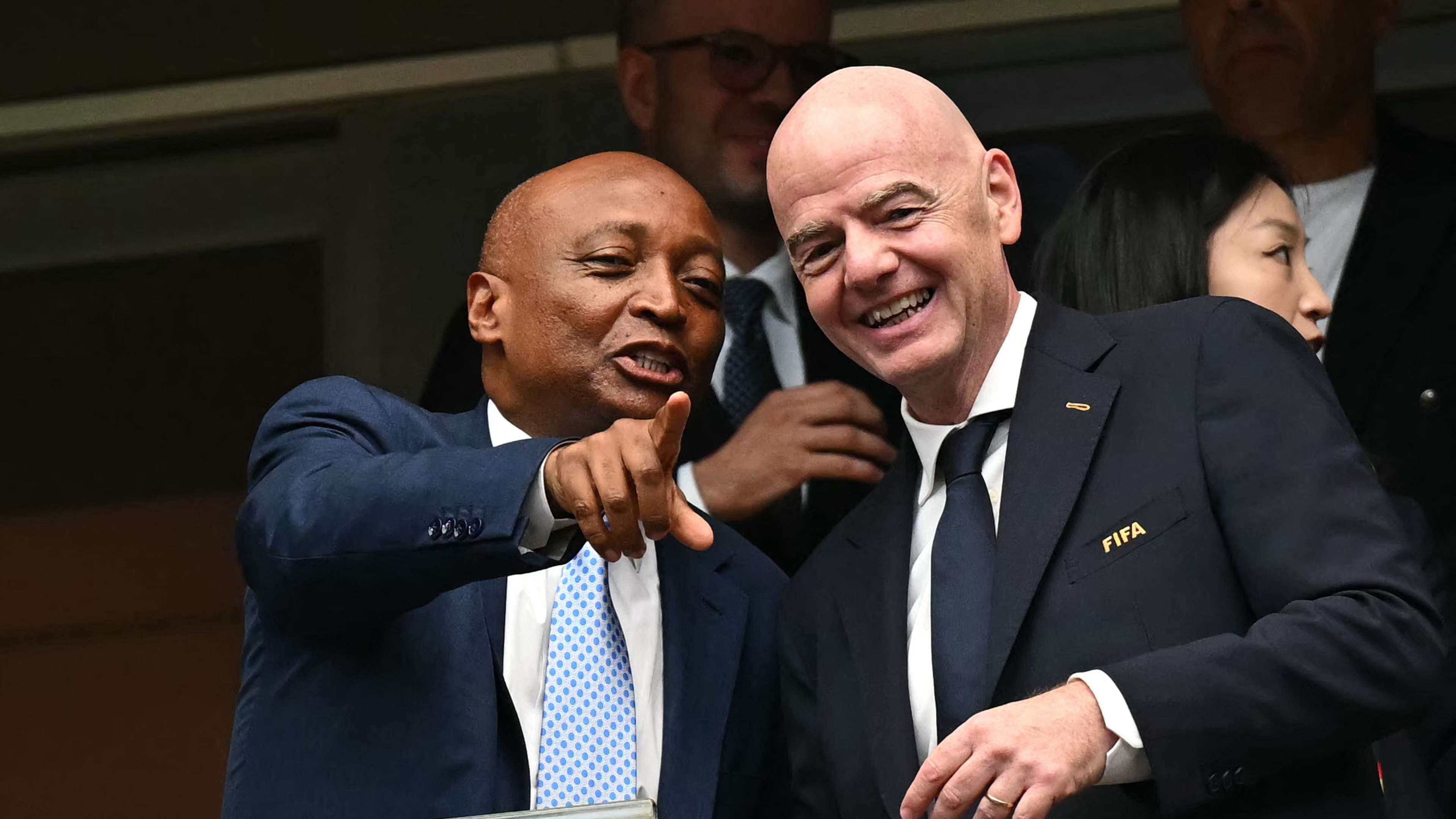
The statement announced an upcoming executive committee meeting to be chaired by CAF President Patrice Motsepe. The meeting, scheduled for next week, was called in response to an official letter from FIFA outlining the details of the controversial project. CAF intends to carefully evaluate the proposal before providing their stance on the matter.
Consultation Process
CAF has urged its affiliated national associations to thoroughly review the proposal and share their perspectives as part of the consultation process initiated by FIFA with continental and national associations. The confederation emphasized the importance of collaboration with FIFA and other continental confederations to enhance the financial resources necessary for the growth and development of football.
CAF’s commitment to engaging with stakeholders and fostering dialogue reflects their dedication to enhancing the sport’s sustainability and competitiveness in the global arena.
Looking Ahead
As the football community awaits CAF’s verdict on Infantino’s proposal, the upcoming executive committee meeting under Motsepe’s leadership is expected to shed light on the confederation’s position. The outcome of the meeting could have significant implications for the future of FIFA’s project and its potential impact on the World Cup.
With tensions running high and stakeholders closely monitoring developments, the football landscape is poised for further debate and deliberation on the proposed changes to the sport’s governing structure.
Conclusion
As the football world grapples with the implications of Infantino’s bold initiative, CAF’s involvement adds a new dimension to the ongoing discourse. The upcoming meeting led by Motsepe will play a crucial role in shaping the response to FIFA’s proposal, highlighting the importance of collaboration and transparency in decision-making processes within the sport.
Stay tuned for updates on CAF’s deliberations and the latest developments in this evolving saga that has captivated the football community worldwide.
Analysis of FIFA’s Proposal
While FIFA’s proposal to sell shares of the World Cup to private-sector investors has sparked controversy, it also raises important questions about the future direction of football governance. The idea of involving external investors in one of the most prestigious sporting events globally has been met with skepticism due to concerns about commercialization and potential conflicts of interest.
On one hand, proponents argue that attracting private investment could inject much-needed funds into the sport, leading to improved infrastructure, youth development programs, and increased opportunities for players and clubs. However, critics fear that commercial interests may compromise the integrity and values of football, turning it into a profit-driven enterprise rather than a sport rooted in tradition and passion.
Impact on African Football
For African football, the implications of FIFA’s proposal are significant. The continent has long struggled with financial constraints and infrastructure challenges that have hindered its ability to compete on the global stage. While increased funding could potentially benefit African football by supporting grassroots initiatives, talent development, and infrastructure projects, there are concerns about how this funding would be distributed and managed.
CAF’s decision on whether to support or oppose FIFA’s proposal will have far-reaching consequences for the future of African football. The continent’s diverse football landscape, with its rich history and passionate fan base, requires careful consideration and strategic planning to ensure that any changes align with the interests of all stakeholders, from players and clubs to fans and administrators.
Balancing Financial Growth with Sporting Integrity
As CAF navigates the complex terrain of FIFA’s controversial proposal, striking a balance between financial growth and sporting integrity will be crucial. The confederation must weigh the potential benefits of increased investment against the risks of commercialization and external influence on the sport’s decision-making processes.
By engaging in an open and transparent consultation process with its member associations, CAF can foster dialogue and collaboration to arrive at a consensus that reflects the diverse perspectives and interests within African football. This inclusive approach will be essential in ensuring that any decisions made are in the best interests of the sport and its stakeholders.
Continued Dialogue and Collaboration
As the football community eagerly awaits CAF’s verdict on FIFA’s proposal, the importance of continued dialogue and collaboration cannot be overstated. In a rapidly evolving sporting landscape, where financial considerations often intersect with sporting principles, it is essential for governing bodies like CAF to engage with stakeholders and seek input from across the football ecosystem.
Ultimately, the upcoming executive committee meeting led by Patrice Motsepe will serve as a platform for informed discussions and strategic decision-making. By approaching this issue with a spirit of cooperation and mutual respect, CAF can uphold the values of football while exploring innovative ways to secure the sport’s future growth and development.
Conclusion
As CAF prepares to navigate the challenges posed by FIFA’s controversial proposal, the confederation’s leadership under Patrice Motsepe’s guidance will be instrumental in shaping the future of African football. By engaging in a thorough evaluation process and prioritizing the interests of its member associations and stakeholders, CAF can chart a course that balances financial sustainability with sporting integrity, ensuring a bright future for the continent’s footballing community.
Stay tuned for updates on CAF’s deliberations as they navigate this critical juncture in the sport’s evolution, with implications that extend far beyond the confines of the football pitch.