
Italy’s Minister for Sport and Youth Opposes Iran’s Request to Change Venue for Match
Italy’s Minister for Sport and Youth, Andrea Abodi, recently expressed his opposition to Iran’s request to change the venue for their upcoming football match in the United States. Abodi’s comments come amidst speculation that Iran may be dropped from the competition, potentially opening the door for Italy to qualify for the 2026 World Cup.
Abodi described the situation as “a very difficult matter” and emphasized that he does not want Italy to qualify at Iran’s expense. Speaking in the Italian Chamber of Deputies, he highlighted the importance of continental affiliation in determining which teams participate in the World Cup.
“It is a continental issue; it seems very difficult to create a problem… Unless there is a problem in Europe, I do not think a European team can be included [in the World Cup],” said Abodi.
The Minister also addressed the possibility of replacing Iran with a European team if they are unable to participate. He stated, “If any issue prevents Iran from participating, replacing them with a European side would be difficult, since continental affiliation comes into play.”
Speculation Surrounding Iran’s Participation in the 2026 World Cup
Recent speculation has arisen regarding Iran’s potential exclusion from the 2026 World Cup due to their refusal to play in the United States and their request to switch the venue to Mexico. This uncertainty has raised questions about which team would replace Iran if they are unable to participate.
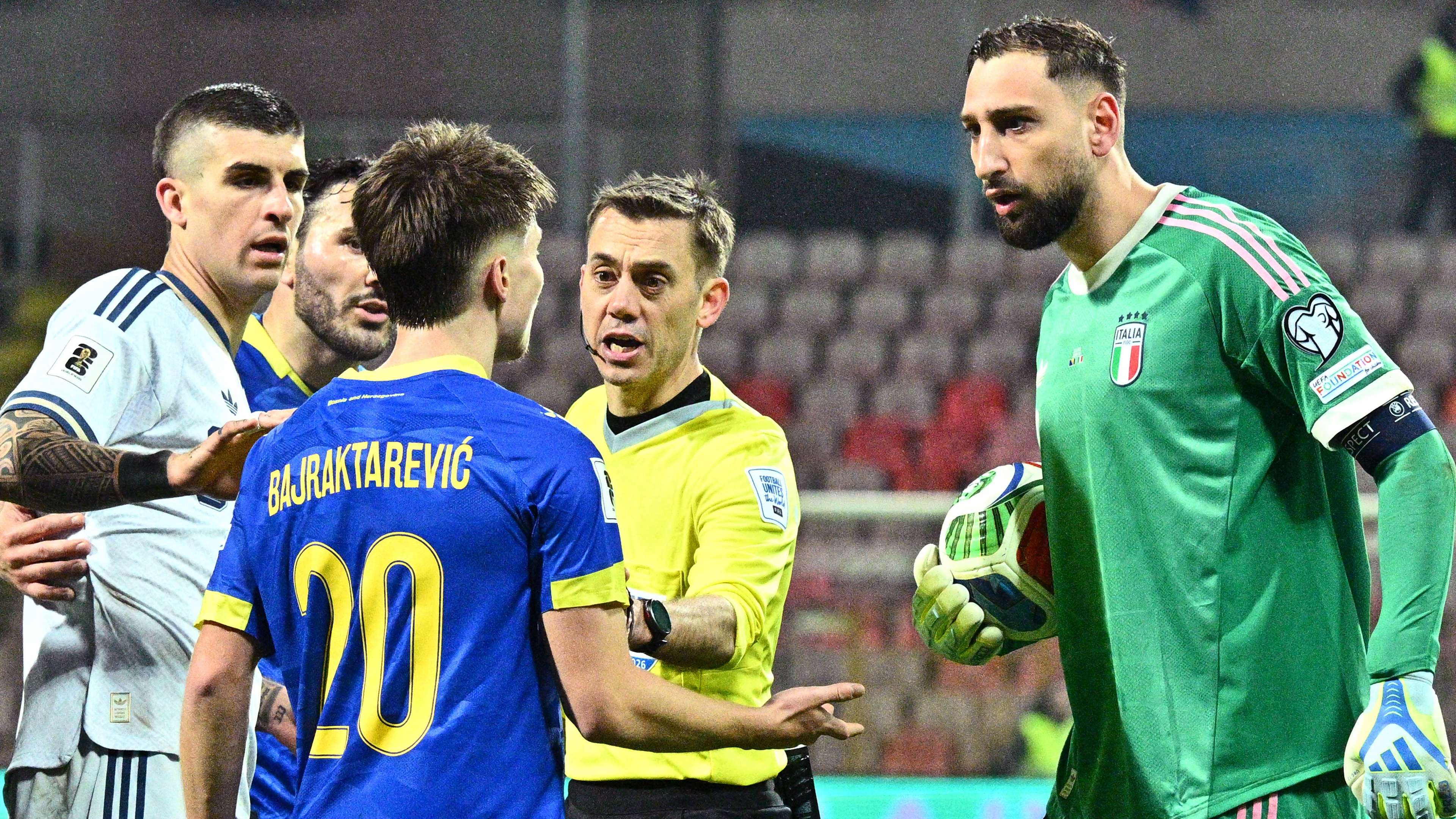
The Italian Football Federation is currently undergoing a restructuring process following their failure to qualify for the World Cup. Italy lost to Bosnia and Herzegovina in the European play-offs, missing out on the opportunity to secure a spot in the tournament.
Iran, on the other hand, qualified for the World Cup through Asia and is currently placed in Group G alongside Egypt, New Zealand, and Belgium. Their potential exclusion could have significant implications for the tournament’s lineup and could impact the participation of other teams.
Conclusion
As the situation continues to unfold, the football community is closely monitoring the developments surrounding Iran’s participation in the 2026 World Cup. The statements made by Italy’s Minister for Sport and Youth shed light on the complexities of the qualification process and the importance of continental affiliation in determining which teams ultimately compete in the tournament.
With the fate of Iran’s involvement in the World Cup hanging in the balance, football fans worldwide are eager to see how the situation will be resolved and what implications it may have for the competition as a whole.
Stay tuned for more updates on this evolving story.
The Impact of Iran’s Potential Exclusion on the 2026 World Cup Lineup
If Iran were to be excluded from the 2026 World Cup, it could have significant ramifications for the tournament’s lineup and the participating teams. With Iran currently placed in Group G alongside Egypt, New Zealand, and Belgium, their absence would create a vacancy that would need to be filled by another team.
One possible scenario could see a team from the same continental affiliation as Iran, such as another Asian team, stepping in to take their place. This replacement would need to be determined through a careful evaluation of the regional balance and qualification process to ensure fairness and uphold the integrity of the competition.
Alternatively, if a European team were to replace Iran, it could potentially shift the dynamics of the tournament and impact the balance of power among the participating nations. European teams are traditionally strong contenders in the World Cup, and the addition of another European side could alter the competitive landscape of the event.
The Role of Continental Affiliation in World Cup Qualification
Abodi’s comments on the importance of continental affiliation in determining World Cup participation highlight a key aspect of the qualification process. The distribution of qualifying slots across different continents aims to promote diversity and representation in the tournament, ensuring that teams from all regions have the opportunity to compete on the global stage.
By emphasizing the significance of continental affiliation, Abodi underscores the need to uphold the principles of fairness and inclusivity in international football. While the specifics of the qualification process can be complex and subject to various considerations, the underlying goal is to provide equal opportunities for teams from different regions to qualify for the World Cup.
The Future of Iran’s Participation in International Football
Iran’s current situation regarding the venue change request and potential exclusion from the 2026 World Cup raises broader questions about the country’s role in international football. As a team with a rich footballing history and passionate fan base, Iran’s absence from the World Cup would be a significant loss for the tournament and for their supporters.
Moving forward, it will be important for Iran to engage in constructive dialogue with the relevant authorities and stakeholders to address any concerns and find a resolution that allows them to participate in the World Cup. This process may involve compromises, negotiations, and discussions to ensure that Iran’s place in the tournament is secured and respected.
Looking Ahead
As the situation surrounding Iran’s participation in the 2026 World Cup continues to unfold, it will be crucial for all parties involved to communicate openly, collaborate effectively, and prioritize the best interests of the sport and its fans. The decisions made in the coming weeks and months will shape the future of the tournament and determine which teams ultimately take the field in 2026.
Football enthusiasts around the world are eagerly awaiting further developments on this evolving story, hoping for a positive outcome that preserves the integrity and spirit of the World Cup.
Stay tuned for more updates and insights on the unfolding events.