
The Dutch Football Association Opposes FIFA President’s Proposal to Sell World Cup Stakes
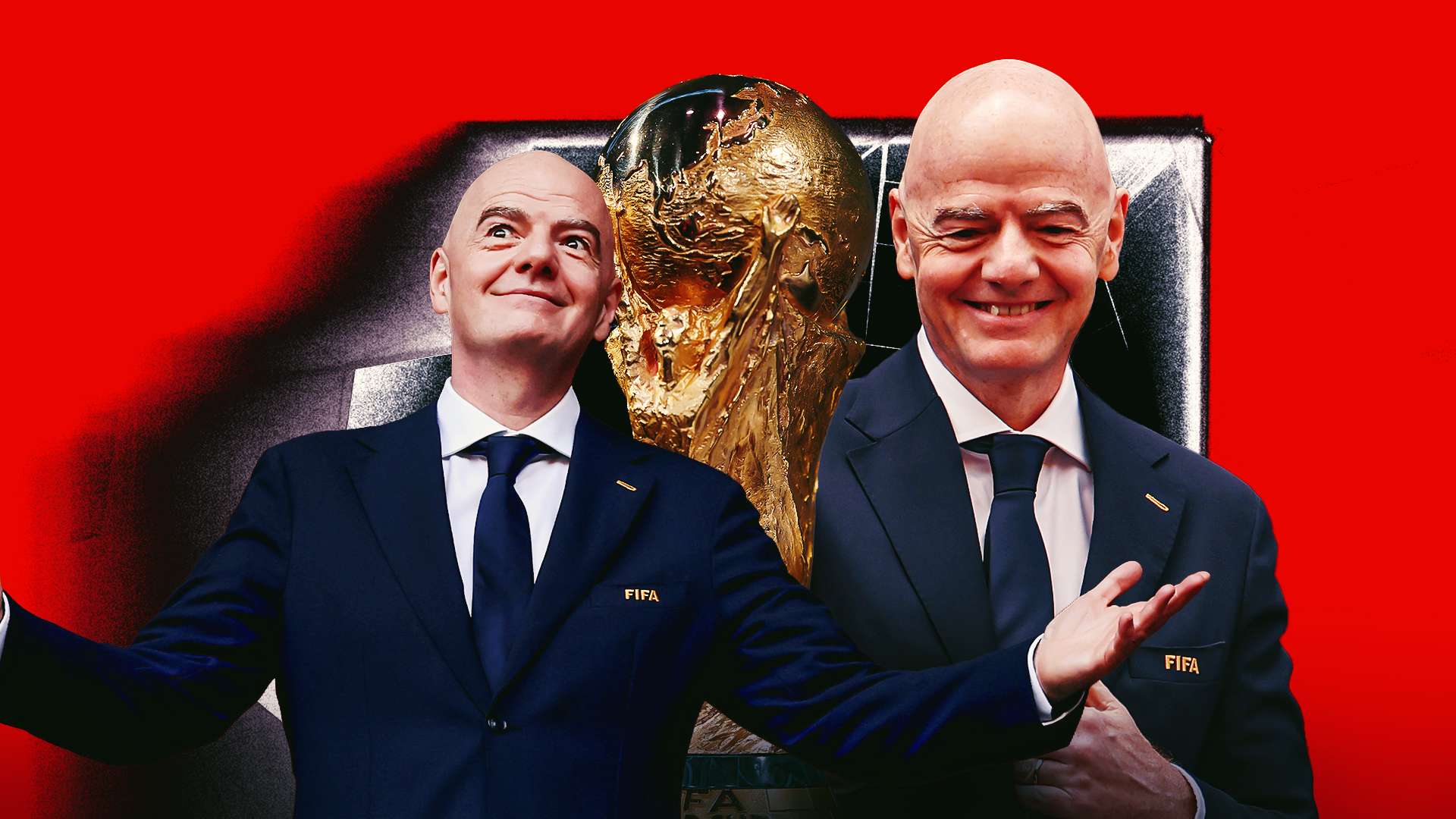
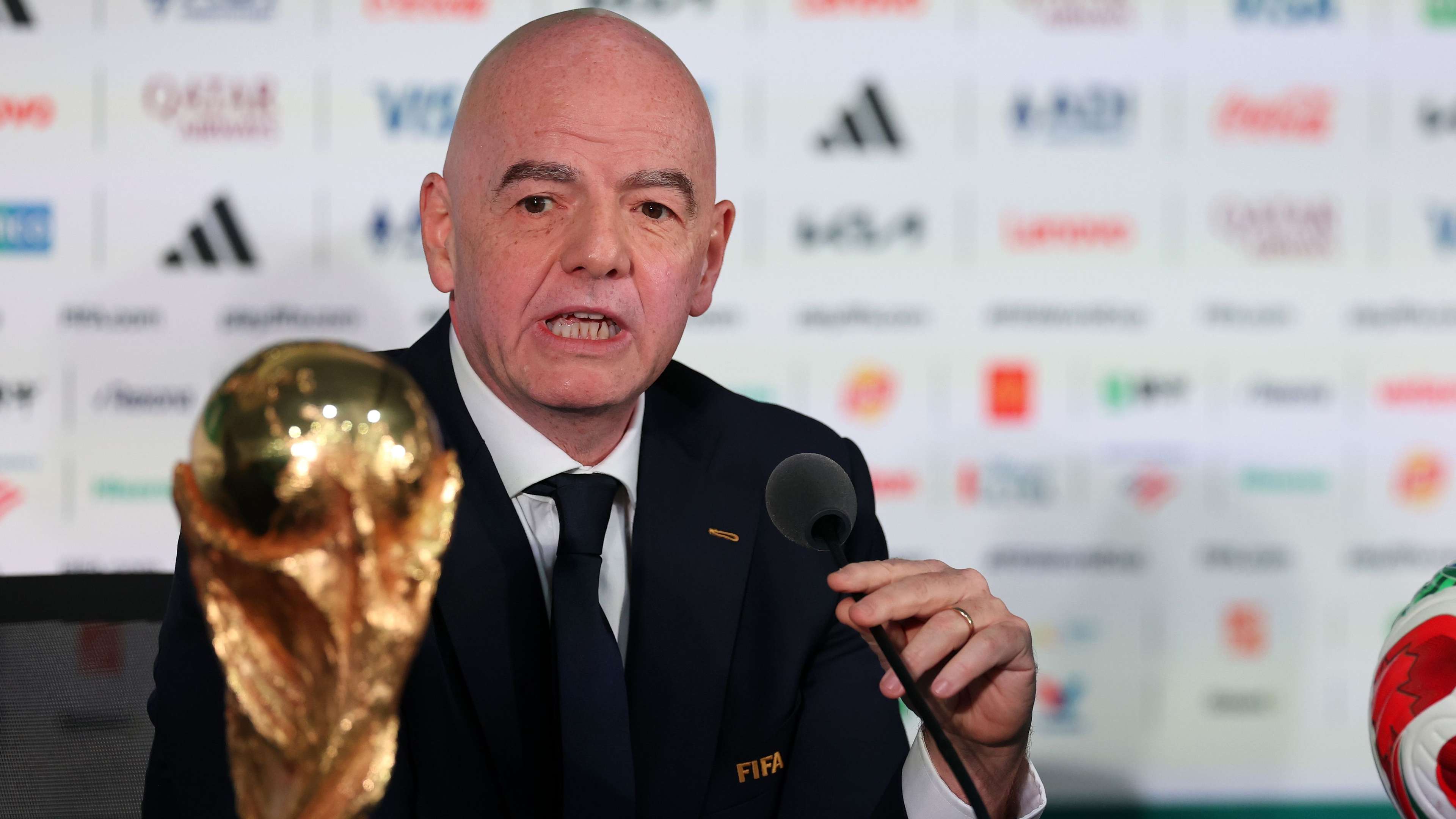
The Dutch Football Association (KNVB) has joined the growing list of governing bodies expressing their disapproval of FIFA president Gianni Infantino’s contentious plan to sell stakes in the World Cup to private investors. This proposal has ignited a fierce debate within the football community, with concerns raised about the potential consequences of commercializing the prestigious tournament.
Opposition to Infantino’s Proposal
The KNVB has taken a firm stance against Infantino’s proposal, which entails allowing private investors to acquire ownership in a new commercial subsidiary related to the World Cup. The association has voiced concerns about the implications of introducing profit-driven motives into one of the most beloved sporting events in the world.
In a statement released by the KNVB, the organization emphasized the need to prioritize the integrity and tradition of the World Cup, highlighting the importance of preserving the tournament’s essence as a celebration of football and global unity.
Global Backlash
The KNVB’s opposition adds to the growing backlash against Infantino’s proposal, with several other football associations and stakeholders expressing their reservations about the potential sale of World Cup stakes. The controversy has sparked a division within the global football community, pitting those in favor of commercialization against those advocating for the preservation of the tournament’s heritage.
Despite the pushback from various quarters, Infantino has remained steadfast in his support for the plan, arguing that it could unlock new revenue streams for FIFA and benefit football development worldwide. However, critics argue that the commercialization of the World Cup could compromise the tournament’s authenticity and fundamentally alter the spirit of the game.
Concerns and Uncertainties
As the debate rages on, concerns have been raised about the long-term implications of Infantino’s proposal. Many fear that the involvement of private investors could lead to conflicts of interest, potential exploitation of the tournament for financial gain, and a shift in focus from the sport itself to profit-making objectives.
The KNVB and other detractors of the plan have called for a thorough evaluation of the potential risks and consequences before any decisions are made. They argue that the sanctity of the World Cup should not be compromised for short-term financial gains.
Looking Ahead
As the discussion continues, the future of the World Cup remains uncertain. The clash of ideals between commercialization and tradition has brought the football community to a pivotal moment, with the outcome likely to shape the tournament’s legacy for years to come.
It remains to be seen how FIFA and its member associations will navigate this complex issue and whether a compromise can be reached that satisfies all stakeholders. For now, the KNVB and other critics of Infantino’s proposal stand firm in their commitment to preserving the essence of the World Cup as a symbol of unity, passion, and sporting excellence.
Keywords: football, prediction.
Impact on Football Fans
One of the key considerations in the debate over the commercialization of the World Cup is the impact it could have on football fans worldwide. Supporters of the sport are the lifeblood of the game, and their experience of the tournament is paramount. Many fans fear that if private investors are allowed to have a stake in the World Cup, it could lead to increased ticket prices, exclusivity, and a shift away from the inclusive and celebratory atmosphere that has defined the tournament for decades.
Football fans are deeply passionate about the sport and its traditions. For many, the World Cup is a once-in-a-lifetime experience that transcends borders and unites people from all walks of life. The potential commercialization of the tournament raises concerns about accessibility, with worries that the essence of the World Cup could be diluted in favor of profit-driven interests.
Historical Context
Understanding the historical context of the World Cup is crucial in evaluating the implications of Infantino’s proposal. The tournament has a rich heritage dating back to its inception in 1930, with a legacy steeped in tradition, excellence, and cultural significance. Over the years, the World Cup has grown to become the most-watched sporting event globally, captivating audiences with its drama, skill, and passion.
The World Cup has served as a platform for nations to come together, showcase their talent, and forge lasting memories. The tournament’s history is woven into the fabric of football folklore, with iconic moments, legendary players, and unforgettable matches etched into the collective memory of fans around the world.
Economic Considerations
While the potential financial benefits of selling World Cup stakes to private investors are clear, there are also economic considerations to take into account. The injection of capital into FIFA’s coffers could lead to increased investment in football development programs, infrastructure, and grassroots initiatives. Proponents of Infantino’s proposal argue that the revenue generated could be used to support the growth of the sport globally, benefiting players, clubs, and associations at all levels.
However, critics warn of the dangers of prioritizing financial gains over the integrity of the game. They caution that the pursuit of profit could overshadow the core values of football, such as fair play, solidarity, and respect. Balancing the economic opportunities with the need to uphold the spirit of the World Cup is a delicate task that FIFA and its member associations must navigate carefully.
Community Engagement
Another aspect to consider in the debate over the commercialization of the World Cup is community engagement. Football is more than just a sport; it is a cultural phenomenon that brings people together, fosters connections, and promotes social cohesion. The World Cup serves as a platform for communities to rally around a shared passion, celebrate diversity, and showcase their national pride.
By involving private investors in the ownership of the tournament, there is a risk of alienating the very communities that make the World Cup a truly global event. Local fans, grassroots organizations, and football enthusiasts may feel sidelined in favor of corporate interests, leading to a disconnect between the tournament and its most devoted supporters. Maintaining community engagement and ensuring that the World Cup remains accessible to all is essential in preserving the tournament’s legacy and impact.
Conclusion
In conclusion, the debate surrounding Infantino’s proposal to sell World Cup stakes to private investors is multifaceted and complex. The clash between commercialization and tradition raises fundamental questions about the future of football, the integrity of the sport, and the values it represents. FIFA, its member associations, and the global football community face a critical decision that will shape the legacy of the World Cup for generations to come.
As discussions continue and stakeholders voice their opinions, a delicate balance must be struck between financial opportunities and the preservation of the tournament’s heritage. Finding a solution that honors the spirit of the World Cup, respects its history, and safeguards its future is paramount. Ultimately, the goal should be to ensure that the World Cup remains a beacon of unity, excellence, and passion for football fans around the world.
Keywords: football, prediction.