
Inzaghi’s Early Al-Hilal Substitution Raises Questions After Teenager’s First Start
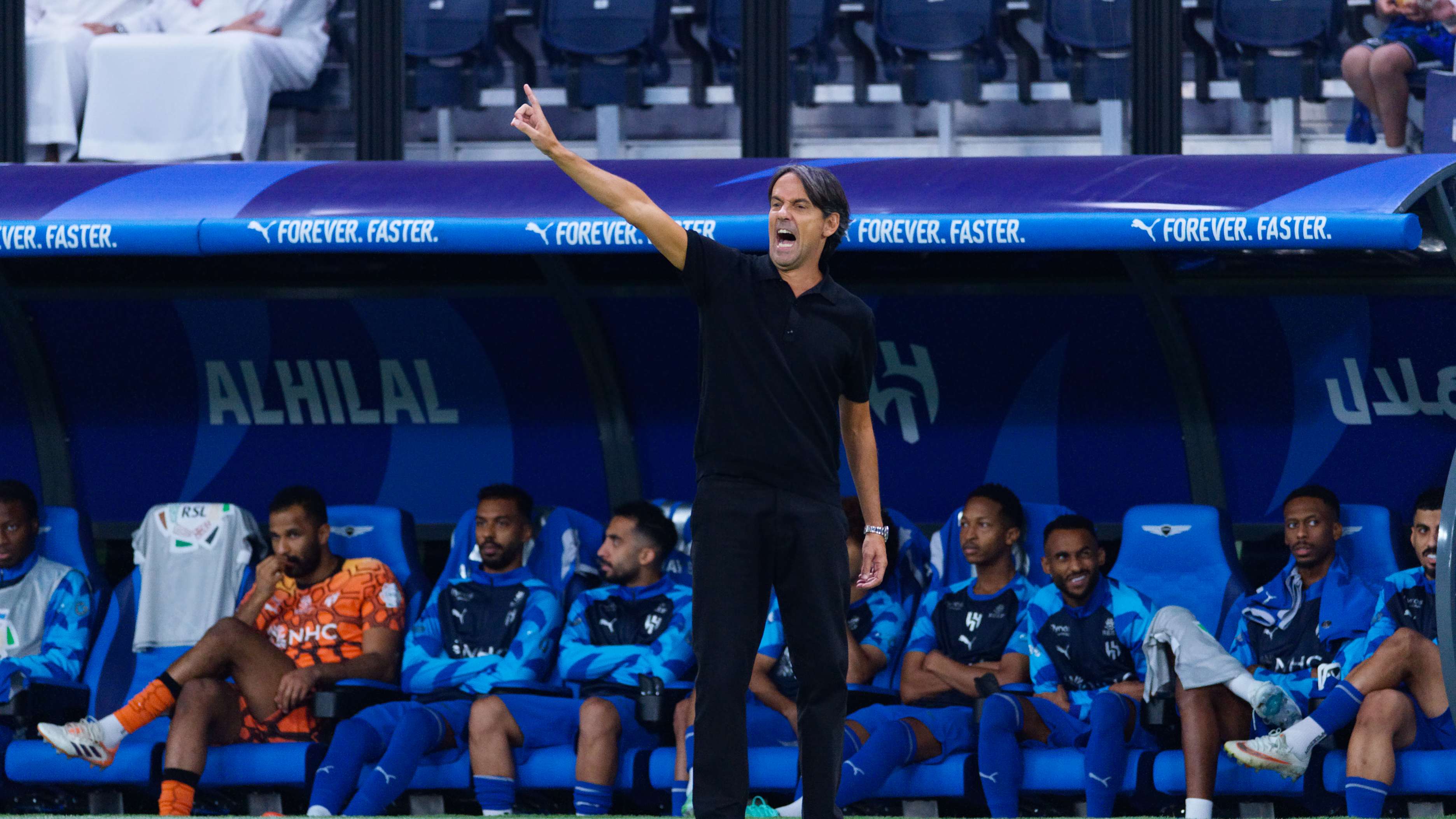
Simone Inzaghi’s first major decision in Al-Hilal’s demanding clash with Shabab Al-Ahli sparked immediate debate. The Saudi side’s coach handed young player Sabri Dahl a rare starting opportunity, but replaced him after only 28 minutes, prompting questions about the teenager’s readiness, the team’s tactical plan and the reasoning behind such an early change.
Dahl’s brief appearance was notable because there was no obvious sign that he had suffered an injury. Instead, right-back Mohammed Mahzari came on in his place, turning what had been the youngster’s first start in an Al-Hilal shirt into a short and potentially difficult introduction to senior football.
Why did Al-Hilal replace Sabri Dahl so early?
Al-Hilal did not immediately provide a detailed public explanation for the substitution. In the absence of an injury, however, the timing suggested a tactical adjustment. Inzaghi may have felt the team needed a different balance on the right, or that Dahl was struggling to meet the demands of a fast, physical contest.
Early substitutions can be especially challenging for young players. A teenager making his first start is already adapting to the pace, pressure and expectations of a high-profile fixture. Being withdrawn before the half-hour mark can attract attention, even when a coach’s decision is intended to improve the team rather than single out an individual.
For Al-Hilal, the change also reflected the urgency of the match. The team wanted to establish control and find an early goal, while Shabab Al-Ahli were capable of turning the contest into a physical battle. In that context, Inzaghi may have believed a more experienced or positionally reliable option could help his side respond more effectively.
Khaled Al-Qahtani questions Inzaghi’s selection
Sports analyst and media personality Khaled Al-Qahtani criticised the decision to start Dahl in such a demanding fixture, arguing that Inzaghi had more prepared alternatives available. In comments shared on X, Al-Qahtani suggested Sultan Mandash would have been a stronger choice on the wing, while Mahzari was the more dependable option at right-back.
Al-Qahtani also interpreted the quick substitution as a sign that problems had become apparent during Dahl’s opening minutes. His assessment was that Al-Hilal were pushing for an early breakthrough and could not afford to let weaknesses on the flank disrupt the plan. Once the team’s performance failed to match the coach’s expectations, the analyst suggested, Inzaghi acted quickly.
That remains an outside assessment rather than a confirmed explanation from the coaching staff. Still, it highlights the central question surrounding the incident: was Dahl’s early withdrawal a response to his individual performance, a broader tactical correction, or a combination of both?
The tactical challenge against Shabab Al-Ahli
Shabab Al-Ahli’s physical style made the fixture a tough environment for an inexperienced starter. Against opponents who press aggressively and compete strongly in duels, a young player may have little time to settle into the match. A misplaced pass, a lost challenge or a gap in defensive positioning can quickly become significant when the opposition is looking to exploit the wings.
Al-Hilal’s reported desire to score early added another layer of pressure. An early goal can force an opponent to take more risks, creating space for counterattacks and allowing the leading side to manage the tempo. Without that advantage, the match can become more open and physically demanding—the kind of contest Al-Qahtani believed suited Shabab Al-Ahli.
From a coaching perspective, changing a player early can be a way to prevent a developing problem from becoming more serious. It may also allow a team to alter its shape, improve defensive coverage or give a more experienced player responsibility in a key area. The trade-off is that a highly visible substitution can affect a young player’s confidence, particularly when it comes during a first start.
A major step in Dahl’s development
Al-Hilal signed the 18-year-old Dahl from Al-Feiha in July, with the player agreeing to a five-year contract. The length of the deal suggests the club views him as a long-term prospect rather than a short-term solution. His first start therefore carried significance beyond the immediate match: it offered a glimpse of how quickly he might be able to contribute at a higher level.
One difficult outing should not define a young footballer’s future. Moving to a major club brings competition for places, demanding training standards and intense scrutiny from supporters and commentators. Opportunities may come gradually, through substitute appearances, domestic fixtures or matches in which the tactical and physical demands are more manageable.
For Dahl, the most important response will be how he handles the setback. Coaches often evaluate young players not only by their performance in one game but also by their reaction afterward—whether they learn from the experience, remain confident and continue working toward another opportunity.
What the substitution could mean for Al-Hilal
Inzaghi’s choice may also influence how Al-Hilal approach future team selections. If Mahzari and Mandash are considered more ready for demanding roles, they could receive priority in similar fixtures. But Dahl’s inclusion in the starting lineup indicates that the coaching staff were willing to test him, even if the experiment lasted less than half an hour.
The wider lesson is that selection and development do not always follow a straight line. A young player can be trusted with a major opportunity and still be withdrawn when the match situation changes. For a title-chasing side, immediate results often shape decisions; for a prospect, those decisions can become part of a longer learning process.
As Al-Hilal move on to their next fixtures, attention will turn to whether Dahl returns to the lineup, earns a place on the bench or continues developing away from the spotlight. Any prediction about his role should remain cautious until the club or Inzaghi offers more clarity. What is clear is that the early substitution has made his first start a talking point—and placed the spotlight on the balance between Al-Hilal’s demand for results and its investment in young talent.