
Feyenoord Penalty Decision Sparks VAR Outrage in Heerenveen Clash
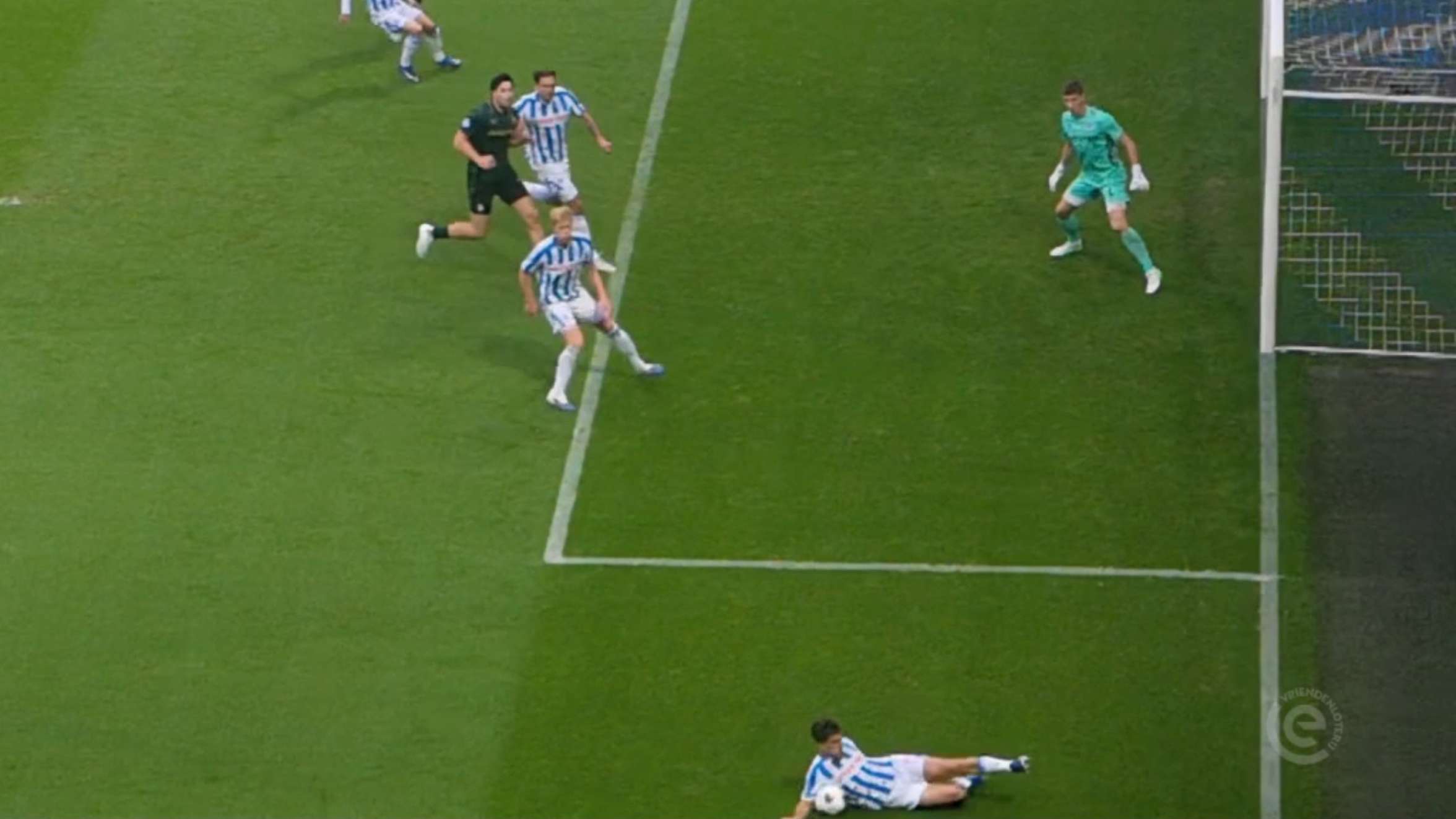
A controversial handball decision involving Feyenoord and Heerenveen has triggered a wave of criticism from football viewers, with referee Danny Makkelie, assistant referee and video assistant referee Clay Ruperti facing particular scrutiny. The dispute arose after Feyenoord were awarded a penalty for an alleged handball by Vasilios Zagaritis, a call that helped the visitors extend their lead in Friesland.
Feyenoord had already taken a 1-0 advantage after weathering a difficult opening spell. The penalty gave them the chance to strengthen their position, and Nacho Ferri converted from the spot to make it 2-0. While the goal put Feyenoord in a commanding position, the decision itself quickly became the main talking point among supporters and online commentators.
How the Handball Call Unfolded
The incident began when Givairo Read sent a cross into the Heerenveen penalty area. Assistant referee signalled that Zagaritis had handled the ball, and Makkelie awarded a penalty after taking that advice. Ferri made no mistake with his attempt, sending Feyenoord further ahead.
Handball decisions are among the most debated moments in modern football because they often depend on several factors: where a player’s arm is positioned, whether the movement is considered deliberate, how close the player is to the ball, and whether the contact has a meaningful impact on play. Even with video review, these calls can remain contentious when supporters believe the available images do not clearly justify the referee’s interpretation.
That uncertainty was central to the reaction in Friesland. Heerenveen’s players and staff were left frustrated by the award, while viewers questioned whether the contact should have resulted in a penalty. The incident also renewed familiar arguments about the consistency of handball decisions across the Eredivisie and the effectiveness of VAR in resolving close calls.
Robin Veldman’s Anger Adds to the Tension
Heerenveen manager Robin Veldman made his displeasure clear after the decision and received a yellow card for his reaction. His response reflected the significance of the moment: the penalty not only increased Feyenoord’s lead but also shifted the pressure further onto the home side.
For a team already trying to recover from a challenging start, conceding a second goal in such circumstances can be especially damaging. A penalty decision may change the tactical shape of a match, forcing the trailing side to take greater risks and giving the leading team more room to manage possession. That is why disputed calls often attract attention well beyond the immediate incident.
Supporters Turn to Social Media
Criticism spread quickly on X, where several football viewers questioned the quality of the officiating. One supporter, Twan, argued that Makkelie’s standards had declined and described the decision as disgraceful. Another commenter, Mateo, said Heerenveen had been treated unfairly and criticised both the referee and Ruperti, who was working in the VAR booth.
Sem also expressed disbelief, posting a sarcastic reaction to the award and using it to question the credibility of the league and its governing body. The comments were emotional and sharply worded, but they captured a broader frustration among supporters who expect VAR to provide greater clarity in decisive moments.
Online reactions are not a substitute for a formal review of the incident, and fan commentary often reflects club loyalties as much as the laws of the game. Still, the volume of criticism shows how quickly a major refereeing call can become a defining story in a football match—particularly when it directly leads to a goal.
VAR’s Role—and Its Limits
VAR is designed to help officials review clear and obvious errors in key situations, including penalty decisions. However, the system does not remove the referee’s judgement from the process. In many handball cases, the central question is not simply whether the ball touched an arm, but whether the player’s action meets the criteria for an offence under the laws of football.
That distinction can leave room for different interpretations. If the on-field referee and the VAR team believe the decision falls within an acceptable range of judgement, the original call may stand. For supporters, however, a review that does not change the outcome can feel like confirmation of a questionable decision rather than reassurance that the process worked.
The controversy also highlights the importance of communication. Clear explanations from officials after a match can help viewers understand why a penalty was awarded, especially when replays appear open to interpretation. Without that context, speculation about bias, consistency and the decision-making process can quickly fill the gap.
What the Decision Could Mean for the Match
Feyenoord’s second goal gave them a valuable cushion, while Heerenveen were left with a difficult task. The hosts needed to balance the urgency of chasing the game with the risk of leaving space for Feyenoord to exploit. From a match prediction perspective, a two-goal lead can significantly improve the leading team’s chances, although the outcome still depends on how both sides respond after the break and whether the trailing team can create sustained pressure.
For Feyenoord, the penalty offered a crucial advantage in a match that had begun with a testing spell. For Heerenveen, the immediate challenge was to put the controversy aside and focus on finding a way back into the contest. Whether the decision is later judged correct or not, its impact on the game was clear: it changed the scoreline and intensified the atmosphere.
A Familiar Debate in Dutch Football
The incident is likely to add to ongoing discussion about refereeing standards in the Netherlands. Supporters regularly compare decisions across matches and question whether similar handball situations are being judged consistently. VAR was introduced to reduce major errors, but controversial calls continue to fuel debate because technology cannot always eliminate interpretation.
For now, the Feyenoord penalty remains a flashpoint in the Heerenveen fixture. The call, Ferri’s successful conversion and Veldman’s booking combined to turn one moment into a wider argument about officiating, video review and trust in the Eredivisie. As the football conversation continues, the focus will be not only on the result but also on whether officials can provide a convincing explanation for one of the match’s most consequential decisions.