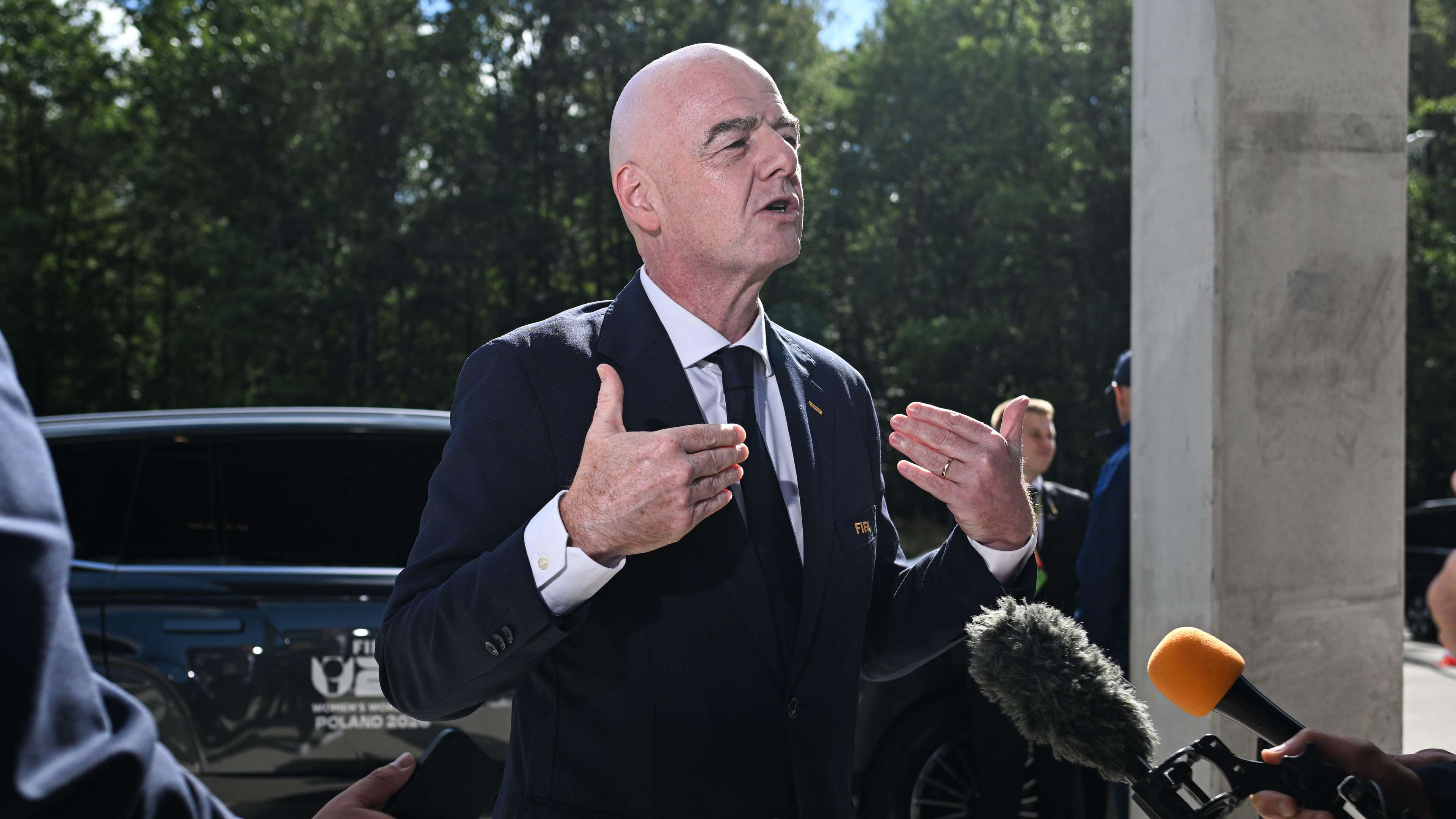

AFC Refers Jordan FA President Prince Ali to Judicial Bodies After Infantino Claims
Asian football has been drawn into a fresh governance dispute after the Asian Football Confederation (AFC) announced that it would refer Jordan Football Association president Prince Ali bin Al Hussein to its judicial bodies. The move follows his accusations that FIFA president Gianni Infantino used the AFC’s extraordinary congress in Tokyo for political purposes, and that the gathering was little more than a staged show of support.
The dispute highlights tensions over transparency, leadership and the relationship between regional confederations and world football’s governing body. It also raises questions about how football officials can challenge decisions and public statements without triggering disciplinary proceedings.
What happened at the AFC congress in Tokyo?
The controversy began at an extraordinary AFC congress held in Tokyo last Friday. AFC president Sheikh Salman bin Ibrahim Al Khalifa publicly backed Infantino’s bid for re-election as FIFA president, saying that Asia was united behind him.
That endorsement attracted attention because it followed a period of friction between the AFC and FIFA. Just three months earlier, the Asian confederation had accused Infantino of a “serious breach of trust” in connection with a proposal involving a FIFA Forward Enterprise company and the possible sale of a stake in FIFA tournaments.
The apparent shift from criticism to support has therefore prompted scrutiny. While political alliances in international football can change, the contrast between the AFC’s earlier accusation and its latest show of backing has intensified debate about the confederation’s position and the decision-making process behind it.
Prince Ali calls the meeting a “political show”
Prince Ali responded to the congress with a sharp public criticism. He alleged that participants were not given an opportunity to speak, ask questions, debate the issues or communicate with the media. He described the final day of the meeting as “merely a political show” and suggested that the event had been used to promote Infantino’s re-election campaign.
His comments turned a dispute over the congress’s format into a wider challenge to its legitimacy. In football governance, a congress is more than a ceremonial gathering: it is a forum where member associations are expected to discuss policy, express concerns and take part in decisions affecting the sport. If delegates believe those opportunities are restricted, questions about representation and transparency are likely to follow.
However, Prince Ali’s claims have been disputed by the AFC. The confederation said that neither he nor a representative of another member association had requested to speak during the proceedings. It also rejected suggestions that the congress had been conducted improperly.
AFC warns against unsupported allegations
In a formal response, the AFC said it takes allegations of coercion, threats or bribery seriously, but insisted that such claims must be supported by credible evidence. The organisation said accusations should not be made without a sound factual basis.
The confederation confirmed that Prince Ali’s statements, including the claims made after the Tokyo congress, would be sent to its competent judicial bodies. Those bodies will consider the matter under AFC statutes and applicable regulations, and may decide whether further action is warranted.
The referral does not, by itself, establish that a rule has been broken or determine what penalty might follow. It does, however, move the dispute beyond a public exchange of statements and into the AFC’s formal disciplinary and legal processes. The outcome will depend on the rules that apply and the evidence considered by the relevant bodies.
Why the dispute matters for Asian football
The row comes at a sensitive time for football administration across Asia. The AFC represents a diverse membership of national associations, each with its own priorities and views on how the game should be governed. A public claim that delegates were unable to participate freely can therefore resonate beyond the individuals involved, particularly if it prompts wider questions about consultation and accountability.
The episode also illustrates the influence of regional support in FIFA elections. Confederations can help shape the political landscape by coordinating the positions of their member associations. A declaration that Asia is united behind a candidate can carry considerable weight, even though individual national associations may retain their own views and voting rights under the relevant rules.
For fans, the immediate impact may not be visible on the pitch, but governance disputes can affect how football organisations are trusted and how decisions are understood. Issues involving tournament revenues, development funding and leadership elections can ultimately influence the resources and priorities that shape the sport at every level.
A history of criticism between Prince Ali and Infantino
The latest comments are not the first time Prince Ali has publicly criticised Infantino. Last August, the Jordanian football leader accused the FIFA president of “blackmail” and alleged that FIFA had offered assistance in resolving problems facing Jordan in exchange for political support.
Those allegations, like the claims concerning the Tokyo congress, form part of a broader and unresolved disagreement. They also place Asian football in a difficult position: regional leaders must navigate their relationship with FIFA while maintaining the independence of their own institutions and the confidence of member associations.
At this stage, the AFC has announced a referral, while Prince Ali’s account of the congress remains contested. The judicial review may clarify how the confederation assesses his statements under its regulations, but the wider debate is likely to continue. The key questions are whether delegates had a meaningful opportunity to participate, how the AFC reached its position on Infantino’s re-election and what safeguards ensure that football’s governing processes remain open and credible.
What to watch next
The next development will be the AFC judicial bodies’ consideration of the referral. Any decision could set an important precedent for how officials make public accusations about the conduct of confederation events. Until then, the dispute remains a significant story in Asian football—one where leadership, political influence and institutional accountability are competing for attention alongside the game itself.