
Cruciani Defends De Laurentiis, Saying Napoli Fans Should Consider the Club’s Past
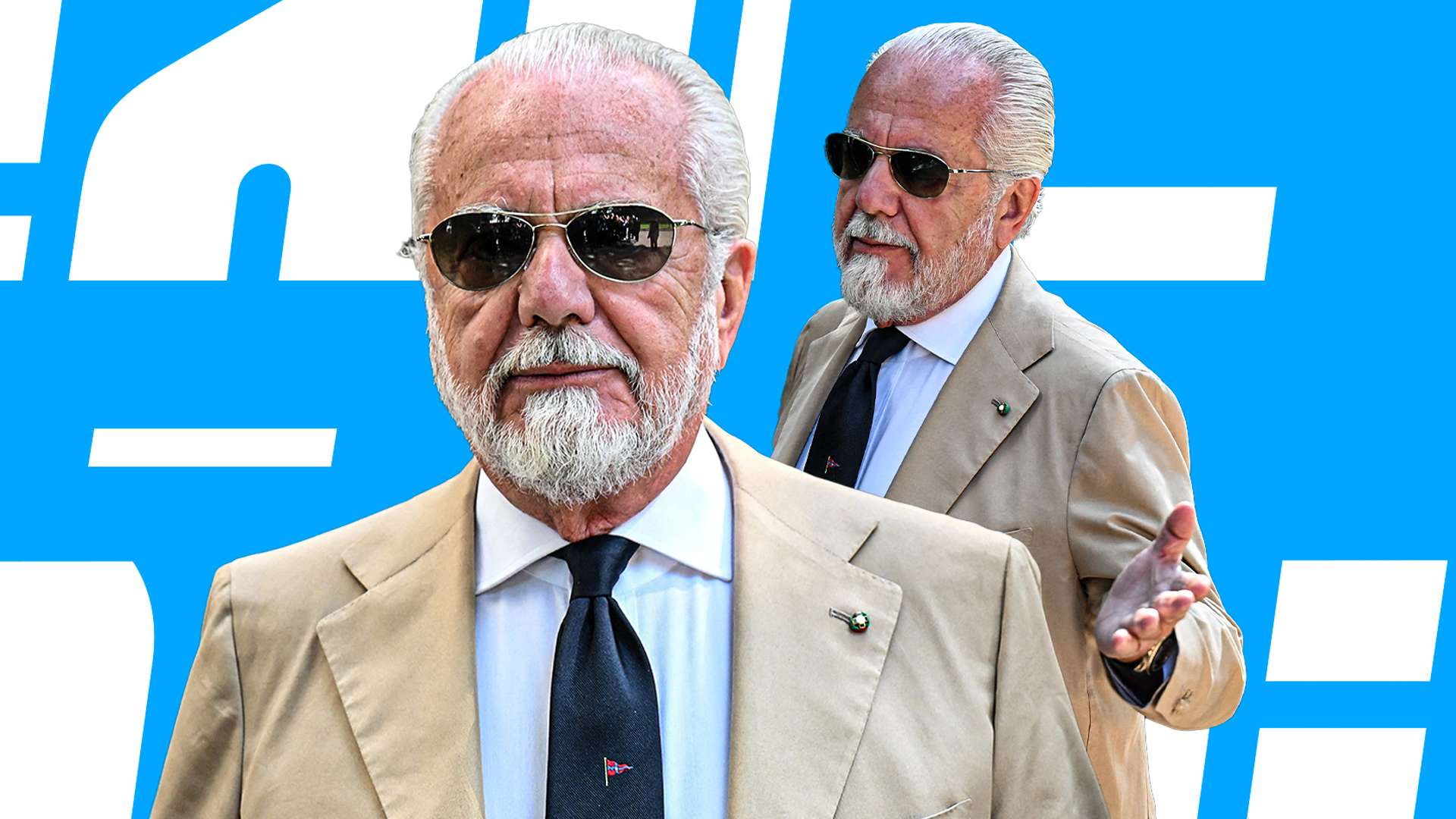
Journalist and radio presenter Giuseppe Cruciani has delivered a forceful defence of Napoli president Aurelio De Laurentiis, arguing that supporters who criticise the club owner should first reflect on the transformation Napoli have undergone during his leadership. Speaking on the Numeri1 podcast, Cruciani acknowledged that fans have every right to boo and voice their frustrations, but said De Laurentiis deserves recognition for rebuilding the club and restoring its place among Italian football’s leading sides.
Cruciani’s remarks were especially striking because he compared criticism of De Laurentiis with criticism of Diego Maradona, Napoli’s most celebrated player and a defining figure in the club’s history. He went even further, suggesting that the president has contributed more to Naples than the Argentine legend. The comparison is certain to provoke debate among supporters, for whom Maradona remains an almost sacred symbol of the city and its football identity.
What Cruciani said about Napoli’s president
“Anyone is free to boo and criticise anyone, of course,” Cruciani said on the podcast. “But a Napoli fan who criticises De Laurentiis should think twice before doing so. Before De Laurentiis, Napoli were nothing. Criticising De Laurentiis is like criticising Maradona. In fact, I’ll go further: De Laurentiis has done more for Naples than Maradona!”
The comments frame the debate around two different kinds of influence. Maradona’s impact was primarily sporting and cultural: his performances helped Napoli reach historic heights, while his connection with the city became part of the club’s identity. De Laurentiis, by contrast, is being credited by Cruciani for the institutional and financial work that helped make Napoli a stable, competitive organisation over the long term.
That distinction matters in modern football. A club’s success is shaped not only by its most famous players but also by decisions made in the boardroom: financial management, recruitment, coaching appointments, infrastructure and the ability to keep a team competitive across multiple seasons. Cruciani’s argument is that De Laurentiis deserves to be judged through that broader lens, rather than only by the latest result or a difficult spell on the pitch.
From crisis to renewed prominence
De Laurentiis took charge of Napoli in 2004, when the club was facing severe financial difficulties and had fallen out of Italy’s top division. Napoli’s subsequent rise through the leagues and return to Serie A became a major turning point. Over time, the club rebuilt its sporting structure, re-established itself in the top flight and developed into a regular contender for European qualification and domestic honours.
The most memorable recent milestone arrived in the 2022–23 season, when Napoli won the Serie A title for the first time in more than three decades. It was a landmark achievement for the club and its supporters, ending a long wait that had stretched back to the era when Maradona led Napoli to their previous league triumphs. The title also demonstrated how a carefully assembled squad, strong coaching and a coherent season-long campaign can combine to produce a historic result.
For fans assessing De Laurentiis, that achievement sits alongside the president’s wider record. Supporters may point to Napoli’s ability to attract and develop high-level players, compete in Europe and retain a recognisable football identity. Others may focus on disagreements over transfers, communication, ticket prices, managerial decisions or the club’s ambitions after winning the Scudetto. Both perspectives form part of the ongoing discussion about what leadership should mean at a major football club.
Why the Maradona comparison is so sensitive
Comparing De Laurentiis with Maradona is bound to stir strong reactions in Naples. Maradona is not remembered simply as a gifted footballer. For many supporters, he represents a period when a club from southern Italy challenged the traditional balance of power in the country. His achievements on the pitch became closely tied to local pride, and his name remains central to Napoli’s history decades after his departure.
Cruciani’s statement therefore goes beyond a straightforward assessment of club management. It places the president’s contribution alongside a figure whose legacy is emotional as well as sporting. Some fans may agree that De Laurentiis deserves credit for restoring Napoli’s stability and helping the club reach the summit again. Others may consider the comparison excessive, arguing that Maradona’s influence on the city and on football culture cannot be measured in the same way as an owner’s business or sporting decisions.
Rather than settling the argument, the comments highlight why Napoli’s history is so layered. The club’s story includes the extraordinary achievements of its players, the devotion of its supporters and the work required to keep an organisation sustainable. Each part contributes to the wider legacy, even if fans disagree about which deserves the greatest recognition.
Supporter criticism and the demands of modern football
Cruciani did not say that Napoli fans should remain silent. His opening acknowledgement—that anyone is entitled to criticise—recognises a basic reality of football: supporters invest emotionally in their club and expect answers when performances or decisions fall short. In a city where Napoli is a major source of shared identity, criticism can be an expression of attachment as much as dissatisfaction.
At the same time, his appeal to consider the club’s past invites supporters to weigh immediate frustrations against the longer-term transformation. A disappointing result, a controversial transfer or an uncertain coaching situation can dominate the conversation, but those issues do not erase the progress Napoli have made since the early 2000s. The challenge for any president is to maintain trust while continuing to deliver results in a league where competition, finances and expectations are constantly changing.
For Napoli, future debate will likely centre on whether the club can remain competitive after its title-winning campaign and how effectively it can balance ambition with financial discipline. Those questions will shape assessments of De Laurentiis more than any single interview or soundbite. They will also influence the expectations surrounding each new campaign, from squad planning to performances in Serie A and European competition.
Looking ahead: Napoli’s next test
Napoli’s next scheduled Serie A fixture is against Torino on 22 November 2026, a match that will offer another opportunity for the team to demonstrate its consistency. Any football prediction for the contest will depend on factors such as current form, player availability, tactical choices and the teams’ performances in the weeks leading up to kick-off. A fixture preview can assess those details, but the broader conversation about the club’s leadership will continue regardless of the result.
Cruciani’s comments have reopened a familiar question: how should Napoli’s history be judged, and who has done the most to shape it? Maradona’s influence remains unmatched in the hearts of many supporters, while De Laurentiis can point to the club’s recovery and modern achievements. The two legacies are different, but both are now part of the story Napoli fans weigh as they look toward the club’s next chapter.