
Commonwealth Kabaddi Championship Finals: India Chase Historic Double in Ahmedabad
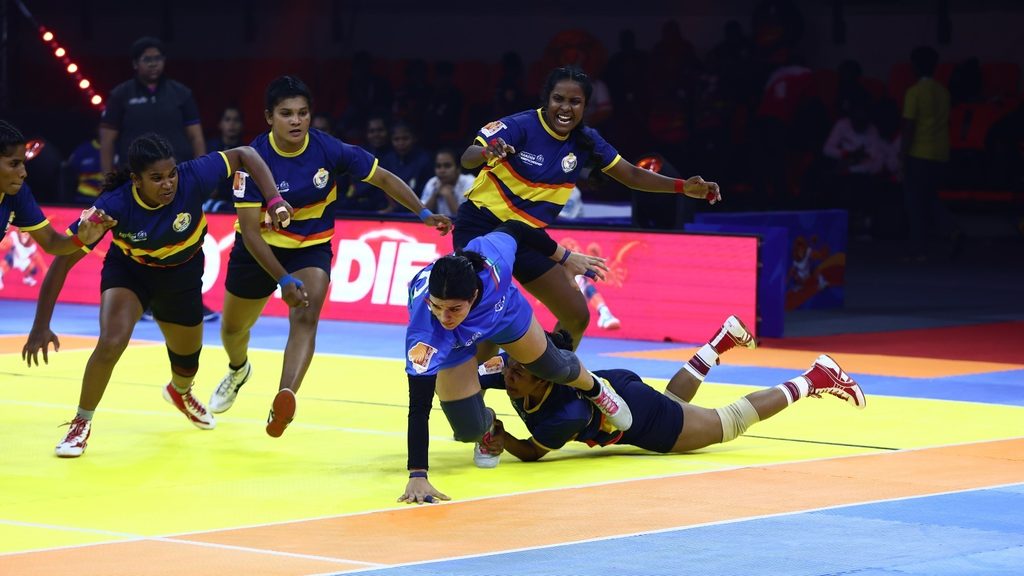
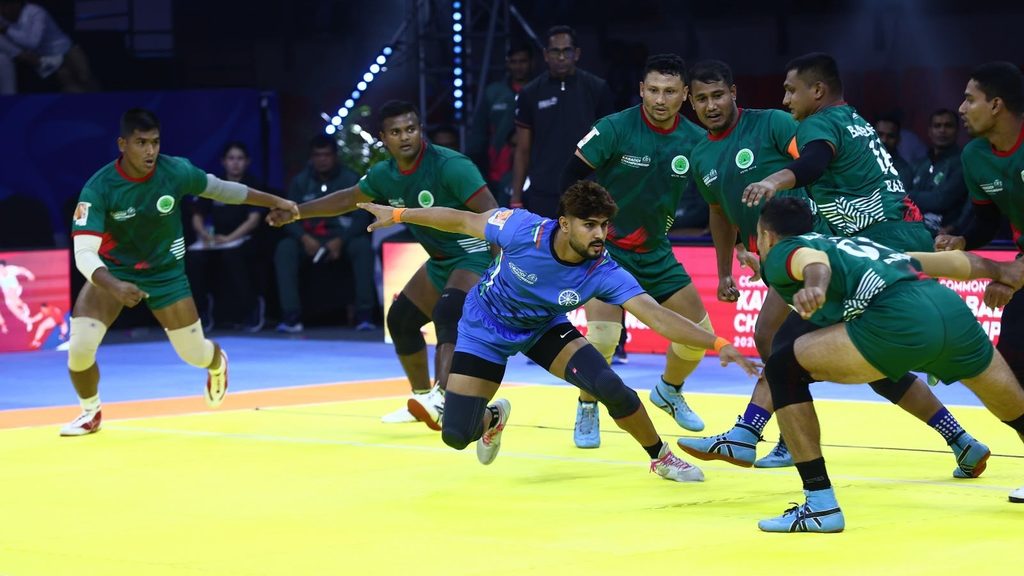
The inaugural Commonwealth Kabaddi Championship reaches its climax in Ahmedabad on October 31, with two gold-medal matches set to decide the tournament’s first champions. India have a chance to make history: the country has qualified for both finals, with its women facing Uganda and its men taking on Sri Lanka.
For kabaddi fans, the closing day brings two contrasting contests. India’s men enter the final with a perfect record and a convincing group-stage win over Sri Lanka, while the women’s final pairs an unbeaten Indian side with a Uganda team that has already shown it can thrive in a close match. Both titles, however, will be decided in one-off finals, where previous results offer clues but no guarantees.
India’s Men Face Sri Lanka for Gold
India booked their place in the men’s final with a commanding 56-27 semi-final victory over Bangladesh on October 30. The result extended an impressive run through the competition and underlined the depth of the Indian squad across raiding and defence.
Sri Lanka secured the other place in the final after a much tighter encounter, edging Kenya 28-24. Their progress sets up a rematch with India, who defeated Sri Lanka 45-24 during the group stage. India will take confidence from that result, but Sri Lanka’s narrow semi-final win demonstrated their resilience in a high-pressure contest.
India’s men topped Group A with 12 points from six wins, while Sri Lanka finished second with 10. India have won all seven matches they have played so far, whereas Sri Lanka have suffered only one defeat. The group-stage margin gives India a statistical advantage, but the final will demand fresh execution: a strong start, disciplined tackles and careful management of raids could all prove decisive.
Key players to watch in the men’s final
Neeraj Narwal leads India’s raiding effort with 45 raid points heading into the final. His ability to collect points while avoiding unnecessary risk will be central to India’s attacking plan. Naveen Kumar, with 38 raid points, gives the team a second major scoring option, making it harder for Sri Lanka to focus its defensive attention on one raider.
India’s defensive strength is reflected in Deepak S and Nitesh Kumar, who have each recorded 12 tackle points. Their coordination could be especially important when Sri Lanka’s raiders look to build momentum.
For Sri Lanka, Sabihan is the leading attacking threat, with 46 raid points—the highest total among the team’s raiders. He will be expected to challenge India’s defensive line and create scoring opportunities. At the other end, Santhushta has contributed 16 tackle points and will be a key figure in trying to contain India’s two-pronged raiding attack.
India’s Women Meet Uganda in the Final
The women’s final also features an unbeaten Indian side, but Uganda arrive with the confidence of a dramatic semi-final victory. They edged Kenya 23-21 in a two-point thriller, showing composure under pressure and the ability to stay in contention until the final moments.
India advanced more comfortably, beating Sri Lanka 39-14. The result continued a strong tournament campaign in which India topped Group A, with Uganda finishing second. India also defeated Uganda during the group stage, giving the hosts a positive reference point ahead of the final. Yet Uganda’s semi-final performance is a reminder that the contest may be far closer than the earlier meeting suggests.
India’s women have won every match they have played, but a final brings a different kind of pressure. Uganda will look to disrupt India’s rhythm, while India will aim to use its depth and balanced play to control the pace. In kabaddi, a brief run of successful raids or a well-timed defensive sequence can quickly change the direction of a match, making concentration vital throughout.
Players who could shape the women’s gold-medal match
Anu Sen is India’s principal raiding threat, with 31 raid points. Her ability to find openings in Uganda’s defence could help India establish control early. Ritu Mitharwal, India’s vice-captain, has recorded 13 tackle points and will be important in the corners, where timing and support can turn a raid into a defensive point.
Sakshi offers useful balance for India. She registered eight raid points and four tackle points in the semi-final against Sri Lanka, contributing at both ends of the mat. Her all-round impact could be valuable if the final becomes a close tactical battle.
Uganda’s attack will be led by Shirat Nakayongo, who has scored 36 raid points. Her ability to keep the scoreboard moving will be crucial against an Indian defence that has performed consistently throughout the tournament. Nalubega Olivia, with 14 tackle points, leads Uganda’s defensive effort and will have a major role in containing Anu Sen and India’s supporting raiders.
Group Results Set the Stage for Finals Night
The final group standings underline the strength of the four teams competing for gold. India topped men’s Group A, ahead of Sri Lanka, while Kenya finished first in men’s Group B, followed by Bangladesh. In the women’s competition, India led Group A with Uganda in second place, and Kenya topped Group B ahead of Sri Lanka.
Those standings helped shape the semi-finals, but the knockout results showed how quickly the balance can shift. Uganda’s narrow win over Kenya and Sri Lanka’s four-point victory against the same opponents illustrate the competitive depth of the championship. The finals bring together teams with different strengths: India’s consistency and squad depth, Sri Lanka’s determination, and Uganda’s capacity to make matches tight.
Can India Claim Both Inaugural Titles?
Ahmedabad’s closing night offers India the opportunity to complete a historic double and become champions in both the men’s and women’s competitions at the first Commonwealth Kabaddi Championship. The unbeaten records and earlier group-stage victories make India favourites on paper, but Sri Lanka and Uganda will have their own ambitions—and the pressure of a final can reshape expectations.
With gold medals on the line, every raid, tackle and all-out could matter. The tournament’s first champions will be crowned on October 31, bringing the inaugural championship to a close and adding a new milestone to the international kabaddi calendar.