
Argentine Football Clubs Unite in Strike Against Judicial Persecution
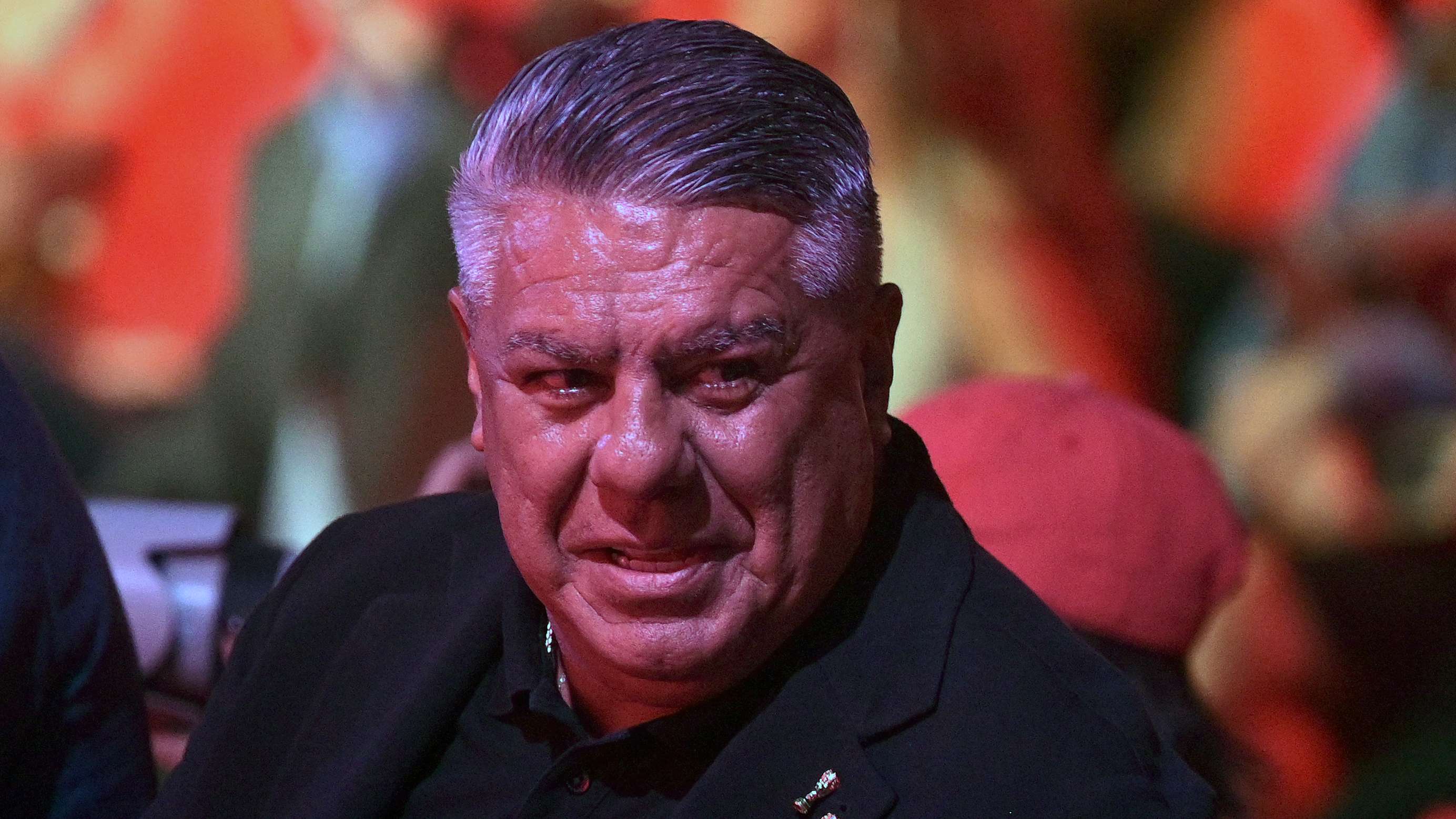
In a bold and unprecedented move, professional football clubs in Argentina have come together to announce a collective strike that will bring the domestic game to a standstill. The decision, made in response to what football authorities have labeled as “judicial persecution” against Argentine Football Association (AFA) president Claudio Tapia, has sent shockwaves through the South American football community.
Background
The announcement of the strike, which is scheduled to take place from March 5 to 8, came following a series of legal actions taken against Claudio Tapia. The AFA president, who has been at the helm of Argentine football since 2017, has been the target of investigations and legal proceedings that many within the footballing community see as politically motivated.
Tapia, a former football executive, has been credited with implementing various reforms within the AFA to promote transparency and accountability. However, his tenure has been marred by allegations of corruption and misuse of funds, leading to legal challenges that have threatened his position as the head of Argentine football.
The Strike
The decision to go on strike was made collectively by professional clubs across Argentina, with the aim of sending a strong message to the authorities about the perceived injustice being directed at Tapia. The work stoppage is expected to impact all football activities in the country, including domestic league matches and training sessions.
While the strike is set to last for four days, there is growing uncertainty about the potential long-term implications of the protest. Many fear that the ongoing legal battles involving Tapia could further destabilize Argentine football and undermine the progress that has been made in recent years to improve the sport’s governance.
Reactions
The announcement of the strike has sparked a range of reactions within the footballing community. Some have expressed solidarity with the clubs’ decision, arguing that it is important to stand up against perceived injustices and defend the integrity of the sport. Others, however, have raised concerns about the impact of the strike on the reputation of Argentine football and the welfare of players and fans.
As the strike looms, there is a sense of uncertainty and tension in the air, with many awaiting further developments in the ongoing saga surrounding Claudio Tapia and the future of football in Argentina.
In conclusion, the decision by Argentine football clubs to go on strike in protest against judicial persecution represents a significant moment in the country’s sporting history. As the authorities grapple with the fallout from the strike, the future of football in Argentina hangs in the balance, with many hoping for a swift resolution to the crisis.
Historical Context
Argentine football has a rich history and deep-rooted passion that runs through the veins of the nation. From the legendary players like Diego Maradona to the iconic clubs like Boca Juniors and River Plate, football holds a special place in the hearts of Argentinians. The sport has not only been a source of national pride but also a unifying force that transcends social, economic, and political divides.
Throughout the years, Argentine football has faced its fair share of challenges, including financial instability, match-fixing scandals, and political interference. However, the collective strike by professional clubs against judicial persecution marks a new chapter in the turbulent history of the sport in the country.
Impact on Players and Fans
As the strike disrupts football activities across Argentina, the impact is felt not only by the clubs and authorities but also by the players and fans. For the players, who have trained tirelessly to compete on the pitch, the sudden halt in matches and training sessions can be disheartening and frustrating. The uncertainty surrounding the future of the sport adds to their anxiety and concerns about their careers.
Similarly, fans who live and breathe football in Argentina are left in limbo, deprived of the joy and excitement that the sport brings to their lives. The stadiums, once filled with chants and cheers, now stand silent, echoing the absence of the beautiful game that unites people from all walks of life.
International Ramifications
The strike by Argentine football clubs has not gone unnoticed on the international stage. Football fans and organizations around the world are closely following the developments in Argentina, as the situation raises questions about the autonomy of sports governing bodies and the interference of external forces in the administration of the game.
Furthermore, the strike underscores the global significance of football as a cultural phenomenon that transcends borders and languages. The solidarity shown by clubs in Argentina resonates with football communities worldwide, emphasizing the importance of standing up for justice and fairness in the beautiful game.
Looking Ahead
As the strike unfolds and tensions escalate, the future of Argentine football hangs in the balance. The resolution of the legal challenges facing Claudio Tapia will undoubtedly have far-reaching implications for the sport in the country. Whether the strike leads to meaningful dialogue and positive change or further division and turmoil remains to be seen.
One thing is certain – the unity displayed by Argentine football clubs in the face of adversity signals a collective determination to defend the integrity of the sport and uphold the principles of fairness and transparency. As the footballing world watches with bated breath, the outcome of this unprecedented strike may shape the future of Argentine football for years to come.
By delving into the historical context, impact on players and fans, international ramifications, and looking ahead, the expanded content offers a comprehensive analysis of the strike by Argentine football clubs against judicial persecution. The inclusion of these additional perspectives enriches the reader’s understanding of the complex issues at play and provides fresh insights into the significance of the ongoing saga in Argentine football.