
Mbappé Faces Growing Backlash in China as Real Madrid Broadcast Is Pulled
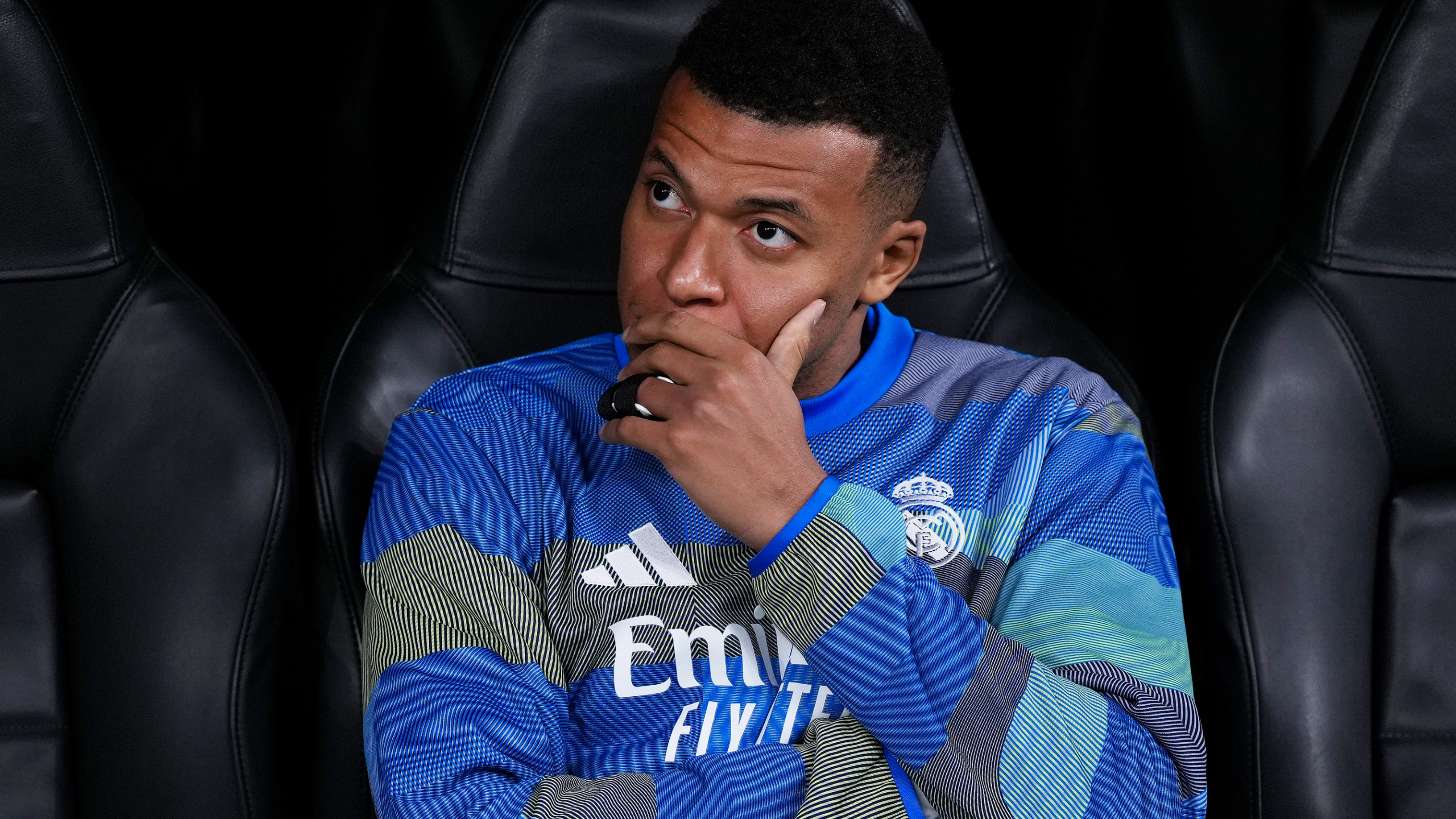
Kylian Mbappé is facing an escalating public-relations crisis in China, where a controversial television clip has prompted criticism, commercial fallout and questions about whether the response could affect future football broadcasts. The latest development is the reported removal of Real Madrid’s upcoming La Liga fixture from a Chinese broadcast schedule.
China Media Group has pulled coverage of Real Madrid’s visit to Racing Santander, according to reports, as the Spanish club prepares for its match on the league’s 11th matchday. The decision has put the spotlight on Mbappé’s standing in one of the world’s largest sports and consumer markets—and raised uncertainty about whether the action is limited to one game or could become a wider boycott.
Viral clip triggers criticism
The controversy began after a clip from the programme The Bridge circulated widely online. In the footage, Mbappé appears to joke about former Chinese leader Mao Zedong and describes him as a “dictator.” The remarks sparked an intense reaction among viewers and commentators in China, where discussion of the country’s political history can be particularly sensitive.
The episode quickly moved beyond sports coverage. Mbappé’s fame extends well beyond the football pitch, making his public comments especially visible to fans, brands and media outlets. Once the clip gained momentum on Chinese social platforms, criticism spread and scrutiny of the Real Madrid forward intensified.
Reports said Mbappé issued an apology, and Beijing later indicated that it was taking that apology seriously. However, the response has not yet eased the backlash. In a fast-moving online environment, an apology may acknowledge offence without immediately restoring trust—particularly when the controversy has already become a broader public conversation.
Real Madrid fixture removed, but wider boycott remains uncertain
The reported decision to remove Real Madrid’s match against Racing Santander has raised a central question: will the broadcast restriction apply only to this fixture, or could it extend to other matches involving Mbappé?
According to RMC Sport, the rest of La Liga’s fixtures remain on the schedule of Migu, the platform responsible for carrying sports events in China. That distinction suggests the reported change may not amount to a blanket suspension of the Spanish league. It also leaves open the possibility that other clubs’ matches will continue to be shown as planned.
Still, the situation is difficult to predict. If broadcasters or rights holders decide that Mbappé’s presence is likely to attract further controversy, additional fixtures could come under review. Alternatively, the current response may remain confined to Real Madrid’s next match while public attention shifts elsewhere.
France’s upcoming international fixture is another point of interest. The national team is due to play on 12 November, and observers will be watching to see whether that match remains available to Chinese viewers. At this stage, there is no confirmed indication that coverage of France games will be affected, so any prediction about a wider broadcast boycott remains speculative.
Commercial consequences reach beyond the pitch
The reported broadcast change is only one part of the fallout. Mbappé’s public visibility in China has also diminished, with reports that advertisements featuring him have been taken down, his shirt has disappeared from some retail shelves and his social media accounts have been blocked or made inaccessible to users in the country.
Three major companies that had previously used Mbappé’s name and image have reportedly ended their partnerships with him with immediate effect. Such decisions can carry substantial financial and reputational consequences for a global athlete. Brand agreements depend not only on sporting success but also on a player’s ability to connect with consumers and represent a company without generating unwanted controversy.
For sponsors, the response is often shaped by local market conditions. A multinational brand may have to consider how a campaign is received in different countries, while broadcasters must weigh audience demand, rights agreements and public sensitivities. The episode illustrates how quickly a comment made in one setting can affect commercial relationships in markets thousands of miles away.
Why the Chinese market matters to football
China has long been an important audience for international football, European clubs and high-profile players. Real Madrid, in particular, has a large global following, and stars such as Mbappé help attract viewers who may not otherwise watch every league fixture. A decision to remove a match therefore has significance beyond the immediate broadcast schedule: it may affect fans, advertisers and the visibility of the competition.
At the same time, the incident highlights the increasingly global nature of athlete reputation management. Players’ comments can be clipped, translated and shared internationally within hours. A remark made in a television conversation can quickly become a commercial issue, especially when it touches on political or cultural subjects that audiences interpret differently across regions.
For clubs and governing bodies, the challenge is to respond carefully without making assumptions about the duration or scale of a controversy. For athletes, the episode is a reminder that public remarks can have consequences far beyond the original audience—and that restoring confidence may take longer than issuing a statement.
What happens next?
For now, the clearest reported impact is the removal of Real Madrid’s match against Racing Santander from China Media Group’s broadcast plans. The continued listing of other La Liga fixtures suggests the situation is still developing rather than settled. Whether Mbappé’s France appearances or future Real Madrid games are affected will depend on decisions that have not yet been confirmed.
Any prediction of a prolonged football blackout should therefore be treated cautiously. The commercial withdrawals and reduced visibility point to serious consequences, but they do not, by themselves, prove that every match involving the forward will disappear from Chinese screens. The next broadcast schedules—and the public response to Mbappé’s apology—will offer a clearer indication of whether this crisis is beginning to subside or entering a new phase.