
China’s La Liga Blackout Follows Controversy Over Kylian Mbappé Comments
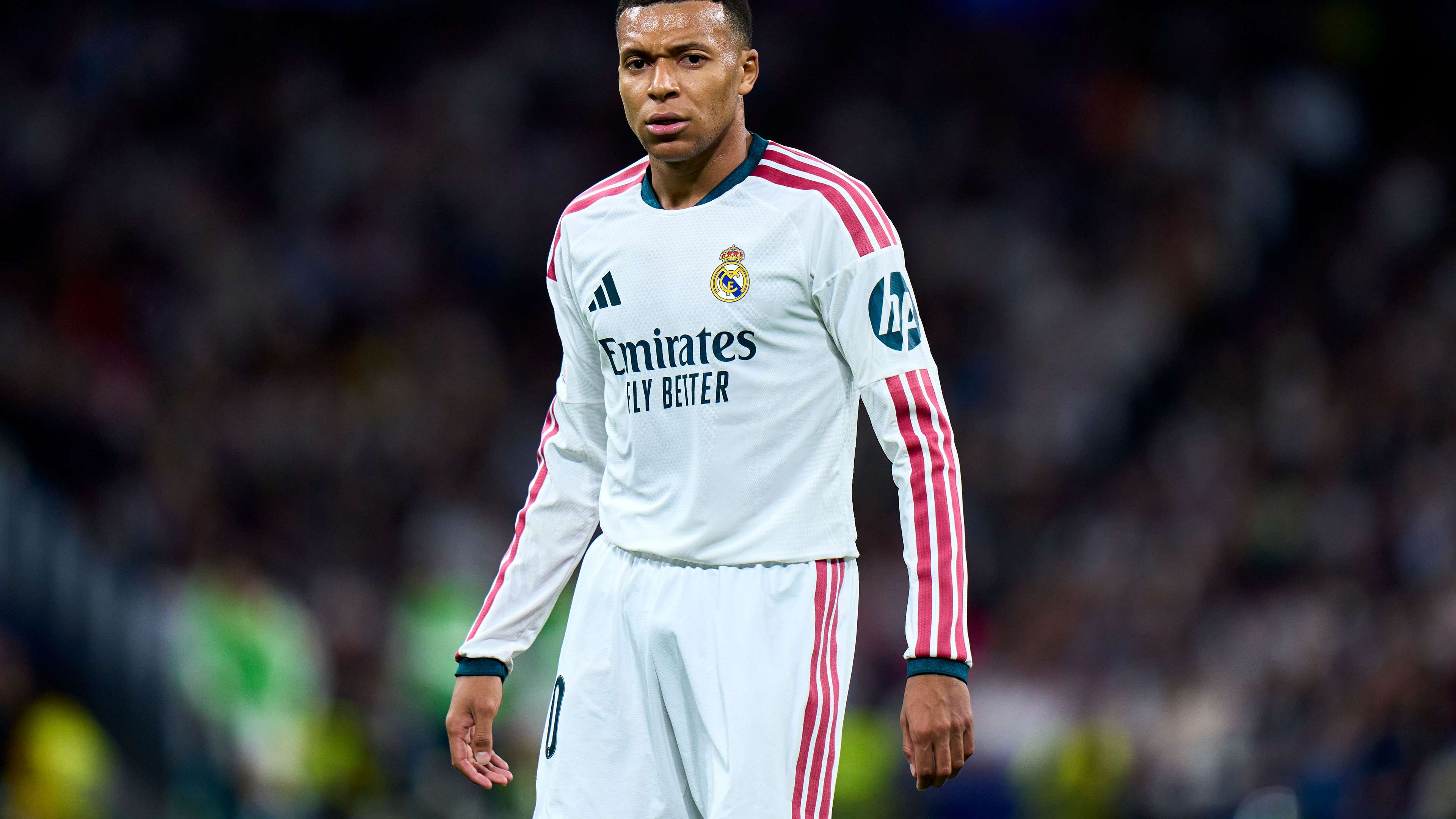
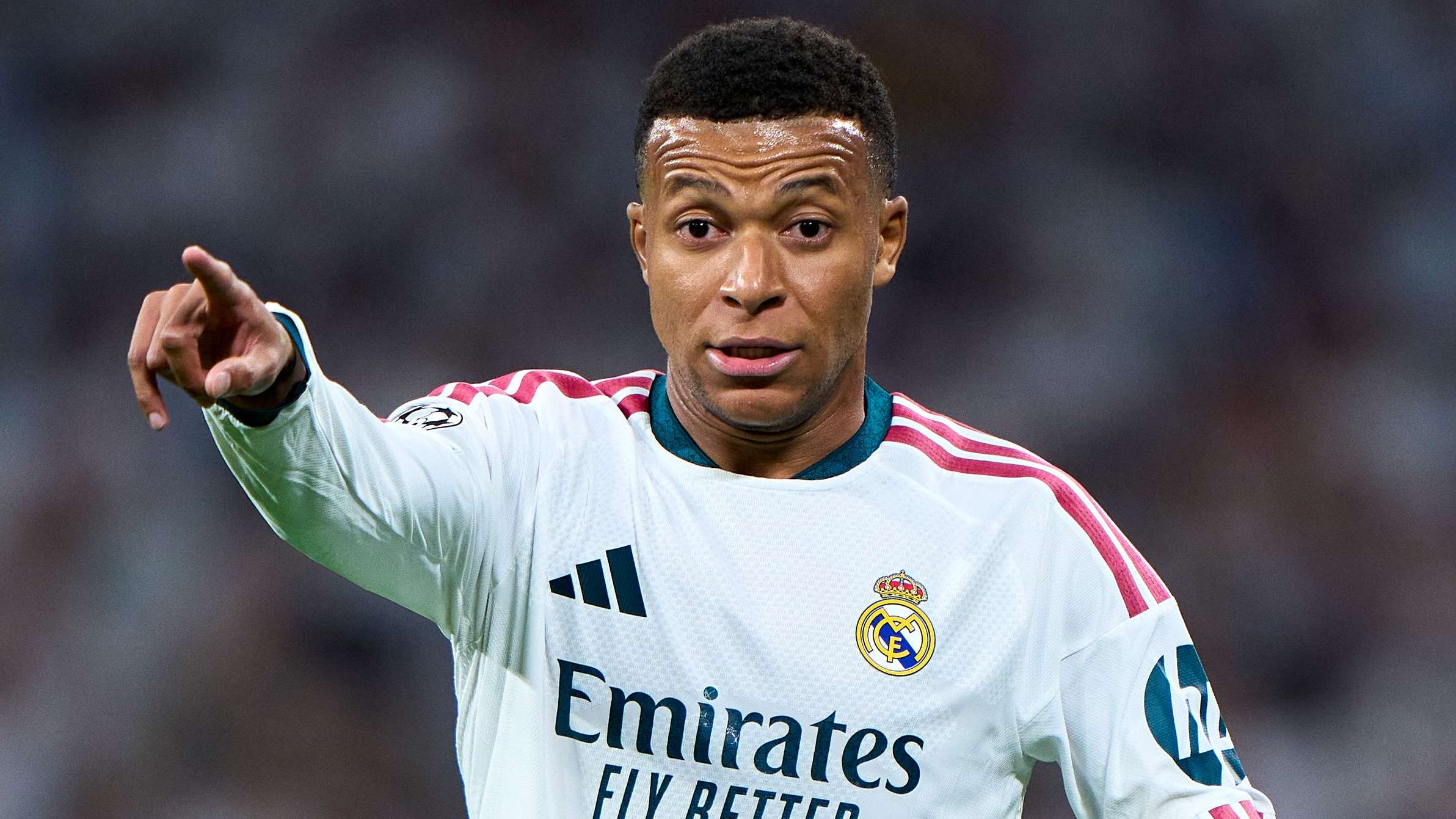
Chinese state television has left two early fixtures from the latest round of Spain’s La Liga off its schedule, extending a broadcasting dispute linked to comments by Real Madrid forward Kylian Mbappé about former Chinese leader Mao Zedong. The decision has raised questions about whether the competition will return to CCTV screens soon—and what the incident could mean for football’s commercial relationships in China.
The first match affected was Villarreal’s meeting with Espanyol on Friday evening in Spain. Although the game was not carried by CCTV, viewers in China could still watch it through Migu, an online streaming platform owned by China Mobile, the state-controlled telecommunications company. Saturday’s Atlético Madrid–Levante fixture was also absent from CCTV’s announced programming, despite kicking off at 13:00 GMT.
A sudden change to La Liga coverage
The omissions marked a notable break from previous practice. According to La Liga, Chinese television had been showing every match in the competition live before the current dispute. CCTV is part of China Media Group, the country’s state media organisation, and its decision to remove the games from its schedule followed an announcement that broadcasts of the Spanish league would be suspended.
The timing has made the connection difficult to overlook. The affected fixtures were among the first scheduled after the suspension announcement, suggesting that the broadcaster’s position had not changed despite subsequent expressions of regret. French sports newspaper L’Équipe also reported that the Spanish league remained off Chinese state television.
The distinction between CCTV and Migu is important for fans. The matches were not completely unavailable in China, but access through a streaming service is different from a live broadcast on a major national television network. The blackout therefore appears to be a restriction on CCTV coverage rather than a total ban on watching La Liga across all platforms.
How the dispute began
The controversy centres on a clip from the programme The Bridge. In the segment, Mbappé reacted to a mocking image that placed his face over photographs of Mao Zedong. The former Chinese leader was described during the exchange as a “Chinese dictator,” a remark that prompted a strong response from Chinese authorities and businesses.
In China, references to Mao carry particular political and historical sensitivity. He led the country for decades after the founding of the People’s Republic in 1949 and remains an influential, though contested, figure in public life. Comments involving his legacy can therefore attract far greater attention than ordinary celebrity remarks, especially when they circulate widely online and involve an internationally recognised athlete.
As the row grew, Chinese companies reportedly ended their commercial agreements with Mbappé. The reaction also extended beyond the player’s personal business interests, putting the relationship between Chinese audiences and La Liga under pressure. For a global competition, that is a significant concern: China is a major market for sports broadcasting, sponsorship and fan engagement.
Apologies have not yet restored broadcasts
Mbappé later said he was “sincerely sorry” and described his comments as “inappropriate.” La Liga also issued an apology. Chinese authorities said they were taking the apologies “seriously,” but the removal of the matches from CCTV’s schedule indicates that an immediate return to normal coverage has not followed.
That gap between an apology and a change in broadcasting policy is not unusual in disputes involving politics, public figures and commercial partners. An apology may acknowledge offence, but broadcasters and sponsors can still take time to assess the public reaction and decide whether resuming coverage is appropriate. In this case, no timetable for restoring La Liga to CCTV’s schedule was reported.
For Mbappé, the episode is a reminder that comments made in an entertainment or interview setting can have consequences well beyond the original programme. The forward is one of football’s most recognisable players, and his public remarks are likely to be scrutinised across markets with very different cultural and political expectations.
What the blackout means for football fans and the league
The immediate effect is uncertainty for Chinese viewers who rely on CCTV to follow Spanish football. Fans may still be able to find matches through Migu, but the absence of national television coverage reduces the competition’s visibility and convenience for a broader audience. It may also affect casual viewers who tune in without subscribing to a digital service.
For La Liga, the situation presents a challenge that goes beyond one round of fixtures. International broadcast agreements help leagues reach supporters, attract sponsors and build the profiles of clubs and players. A prolonged interruption could weaken those connections, particularly if it continues into high-profile matches or a decisive stage of the season.
At the same time, the availability of the Villarreal–Espanyol game on Migu shows that the viewing picture is not entirely straightforward. Different platforms may make separate decisions, and a state television blackout does not automatically mean that every broadcaster or streaming service will follow the same course. Fans should therefore check local listings rather than assume that all Spanish league coverage has disappeared.
There is also a wider lesson for international sports organisations. Football increasingly depends on global audiences, but a league’s reach can be affected by local sensitivities and political context. Clubs, players and governing bodies must navigate those realities while responding carefully when public remarks cause offence.
What happens next?
For now, the key question is whether CCTV will continue to omit upcoming La Liga matches or eventually reinstate them. The public apologies have opened the door to further discussion, but the broadcaster’s latest schedules suggest that the dispute remains unresolved. Any change will likely depend on how Chinese authorities, media organisations and commercial partners judge the situation in the days ahead.
Until then, predictions about a quick return to normal coverage should be treated cautiously. The two missing fixtures show that the controversy has already moved from online debate into the practical business of football broadcasting. For Chinese fans, La Liga’s next round may offer the clearest indication of whether the blackout is temporary—or the beginning of a longer interruption.