

Chelsea’s Strategic Transfer Approach: A Detailed Analysis
Chelsea Football Club has been making headlines this summer with their aggressive spending in the transfer market, surpassing £210 million on new signings. Despite this hefty investment, the London club remains unfazed by Financial Fair Play rules and financial sustainability regulations set by the Premier League and UEFA. So, how does Chelsea manage to navigate these financial challenges while still making big moves in the transfer market?
The Financial Strategy
According to Britain’s “The Times” newspaper, Chelsea’s financial model is built on a carefully crafted plan that involves generating substantial profits from player sales, structuring long-term contracts to spread out transfer costs, and restructuring the wage bill. This approach provides the club with a considerable margin to operate in the market.
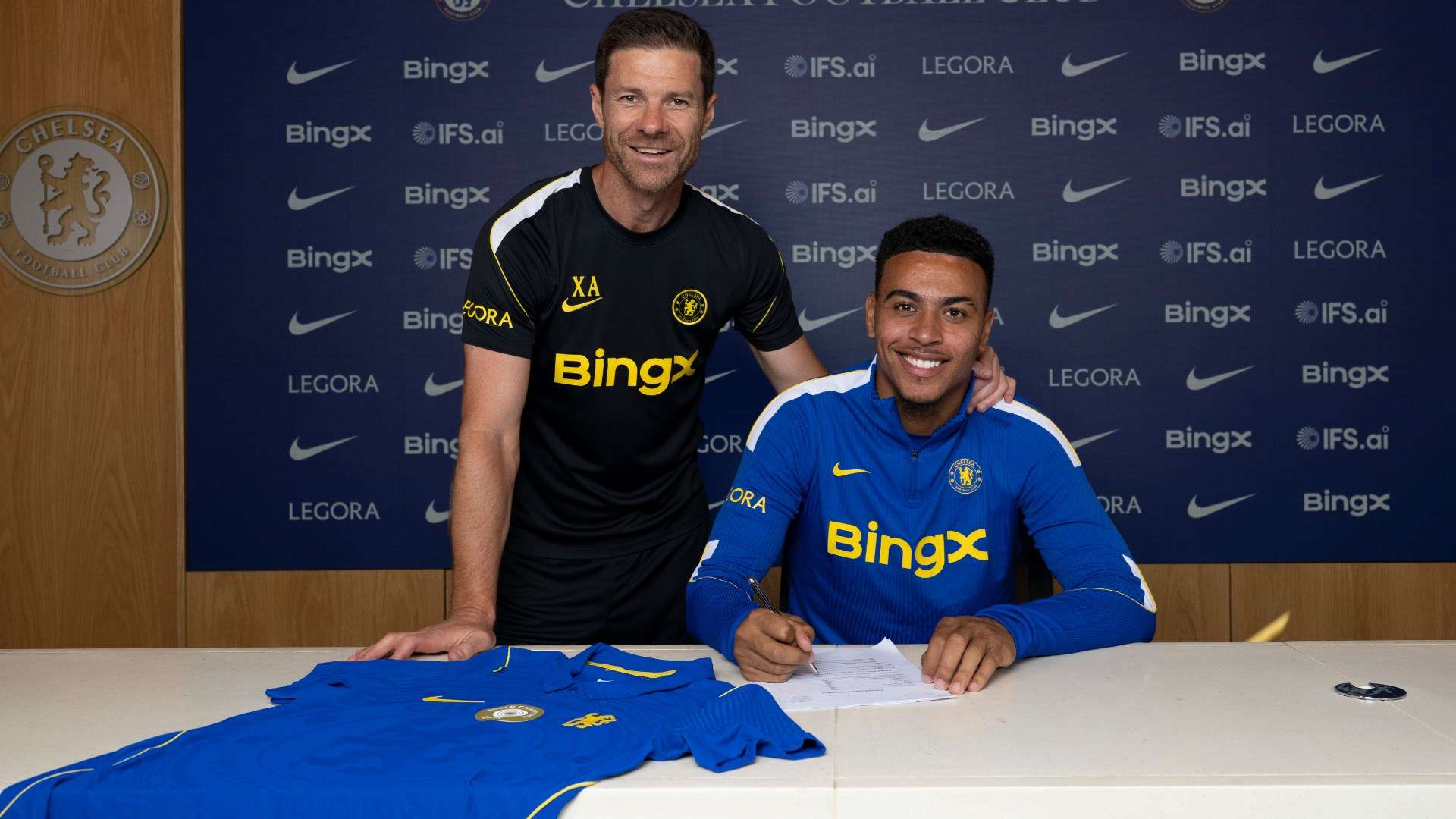
While Chelsea has historically focused on recruiting young talent, they have recently shifted towards more experienced players. This shift is evident in their recent signings, such as French defender Maxence Lacroix for £52 million and Morgan Rogers from Aston Villa for £117 million. These acquisitions reflect Chelsea’s strategic move towards bolstering their squad with seasoned players.
The Player Sales Strategy
One of the key factors enabling Chelsea’s extensive spending is their exceptional success in selling players. Since the BlueCo group’s takeover, Chelsea have spent over £1.8 billion on signings but have raked in more than £900 million from player sales. Last season alone, the club generated over £300 million from player sales, nearly matching their expenditure on new deals.
During the current transfer window, Chelsea has already recouped around £170 million from the sales of players like Marc Cucurella, Tyrique George, and Andrey Santos. With their total sales expected to surpass £1 billion since the BlueCo takeover, Chelsea’s prowess in player sales is a crucial element in their financial strategy.
Long-Term Contracts and Financial Flexibility
Chelsea also leverages long-term contracts to spread out the financial impact of their signings. By distributing the value of a deal across the length of a player’s contract, Chelsea can effectively manage their annual expenses. For instance, despite spending £210 million this summer, the club will only show an annual expense of around £42 million in their accounts.
Furthermore, Chelsea capitalizes on significant capital gains when they sell players. The club’s ability to sign players at lower prices and sell them for substantial profits, like Andrey Santos and Tyrique George, allows them to record these sales as pure profit.
Future Outlook
Looking ahead, Chelsea is not slowing down in the transfer market. The club is considering offloading several players, including Axel Disasi, Benoit Badiashile, and Pedro Neto, to create more financial space for future signings. Manager Xabi Alonso emphasized the importance of staying flexible and decisive in their transfer approach while maintaining a clear vision for strengthening the team.
With a robust financial strategy in place, Chelsea continues to make waves in the transfer market while ensuring compliance with financial regulations. As the summer transfer window progresses, all eyes are on Chelsea’s next moves and how their strategic approach will shape the team’s success in the upcoming season.
Strategic Player Recruitment and Data Analytics
Aside from their financial strategies, Chelsea also employs a data-driven approach to player recruitment. The club utilizes advanced analytics to identify potential transfer targets and assess their suitability for the team. By analyzing player performance metrics, injury records, and other relevant data points, Chelsea can make informed decisions when signing new players.
This predictive analysis allows Chelsea to not only target players who fit their tactical requirements but also those who have the potential for significant growth and resale value. By investing in players with high potential, Chelsea can secure long-term success on the pitch while also maximizing their financial returns through future player sales.
The Role of Managerial Expertise and Vision
Another critical factor in Chelsea’s transfer strategy is the role of the manager in shaping the team’s direction. Manager Xabi Alonso, known for his tactical acumen and strategic vision, plays a pivotal role in identifying the team’s needs and preferences when it comes to player recruitment. Alonso’s input ensures that every signing aligns with the team’s playing style and long-term objectives.
Moreover, Alonso’s ability to develop young talent and integrate new players seamlessly into the squad contributes to Chelsea’s overall success in the transfer market. His coaching expertise not only enhances the performance of existing players but also maximizes the potential of new signings, making Chelsea a formidable force in domestic and international competitions.
Global Expansion and Brand Growth
Chelsea’s aggressive transfer approach is not only driven by on-pitch success but also by the club’s ambitions for global expansion and brand growth. The signings of high-profile players not only strengthen the team but also increase Chelsea’s visibility and marketability worldwide. These strategic signings help attract new fans, secure lucrative sponsorship deals, and expand the club’s commercial reach.
By strategically investing in world-class talent, Chelsea solidifies its position as a global football powerhouse and enhances its reputation as a top destination for elite players. This global appeal not only benefits the club financially but also elevates Chelsea’s status in the footballing world, attracting top talent and securing long-term success in both domestic and international competitions.
Conclusion
In conclusion, Chelsea’s strategic transfer approach encompasses a well-rounded strategy that combines financial prudence, data analytics, managerial expertise, and global ambition. By leveraging player sales, long-term contracts, and data-driven recruitment, Chelsea navigates the complexities of the transfer market while maintaining compliance with financial regulations.
Manager Xabi Alonso’s vision, coupled with the club’s focus on global brand growth, propels Chelsea towards sustained success on and off the pitch. As the summer transfer window unfolds, Chelsea’s strategic approach will continue to shape the team’s future, ensuring that the club remains at the forefront of football innovation and excellence.