
Liverpool Open Talks Over Lamine Camara Transfer, but Monaco Could Demand a Premium
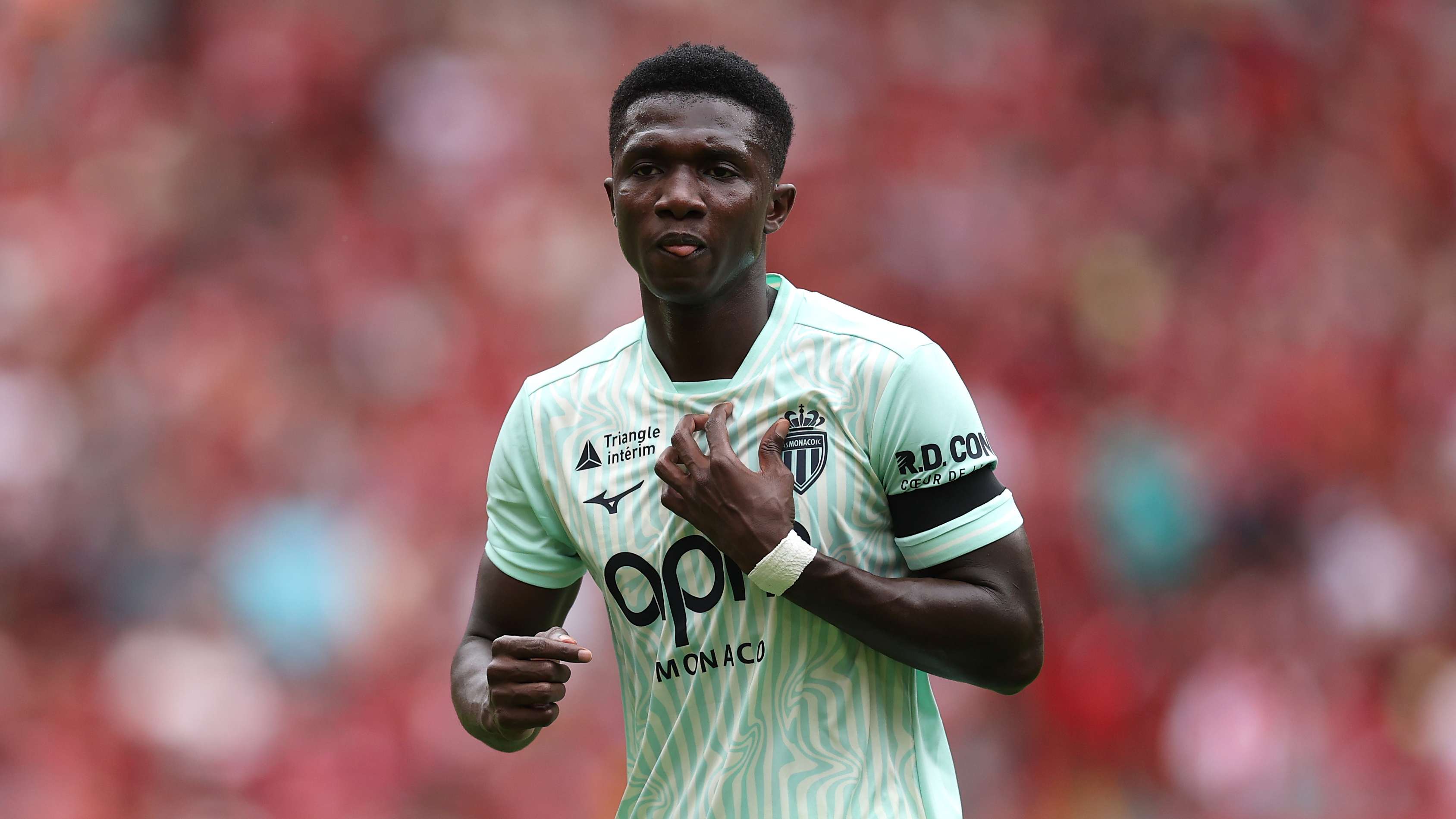
Liverpool have reportedly begun discussions with the representatives of AS Monaco midfielder Lamine Camara as they consider a possible winter transfer, according to The Sun. The Senegal international was close to joining Chelsea last summer, only for the proposed deal to collapse shortly before the transfer window closed. His interrupted move has kept him at the centre of transfer speculation—and could now put Liverpool in the frame.
A January agreement is said to remain possible, although the report suggests it would require compromises from all parties. Monaco would need to be willing to sell, Liverpool would have to meet the club’s valuation, and Camara would need to agree that Anfield is the right next step in his career. With his market value reportedly rising to as much as €70 million, negotiations may be considerably more expensive than the deal Chelsea had been preparing.
Why Liverpool Could Target Camara
Camara is a young, energetic central midfielder whose performances for Monaco have strengthened his reputation since arriving from FC Metz in 2024. He has made 83 competitive appearances for the principality club, scoring seven goals and supplying 12 assists. Those numbers point to a player who can contribute beyond defensive duties, offering both ball-winning and forward support.
For Liverpool, a potential transfer would fit the broader need to maintain depth and competition in midfield. A player who can cover ground, press opponents and help move possession forward could offer useful options across a demanding season. However, any prediction about Camara’s role should be treated cautiously: Liverpool’s interest, the reported discussions and Monaco’s willingness to negotiate have not been confirmed by the clubs.
Camara’s age and experience in Ligue 1 may also make him an appealing long-term investment. Yet the price is a major factor. Monaco signed him for a reported €15 million, and his current valuation reflects his development, contract position and the demand created by last summer’s Chelsea pursuit. A transfer fee approaching €70 million would represent a substantial commitment and could shape Liverpool’s wider recruitment plans.
How the Chelsea Transfer Fell Apart
Camara’s link with Chelsea gathered momentum on last summer’s deadline day. The clubs and the player’s representatives had reportedly agreed in writing on a base fee of €55 million, making the move appear close to completion. But with only hours remaining in the window, Monaco withdrew their agreement.
The sudden change was reportedly connected to parallel negotiations involving Folarin Balogun, whose proposed move to Everton was being renegotiated at the same time. The overlapping discussions complicated the situation, and Chelsea were left without the midfielder they had expected to sign. Reports at the time said the London club regarded Monaco’s conduct as “deeply unprofessional.”
The failed deal has had a lasting effect on Camara’s transfer story. It demonstrated that a fee and apparent agreement do not guarantee a completed move, particularly when several negotiations are unfolding at once. For Liverpool, the episode may be a reminder that any January pursuit would require careful planning, clear communication and enough time to resolve contractual and financial details.
Agent Calls for Respect for African Players
After the Chelsea transfer collapsed, Camara’s representative, Diomansy Kamara, publicly criticised the way the situation had unfolded. The agent also represents Senegal international Ismaila Sarr and former Bayern Munich forward Nicolas Jackson. Sarr had been linked with a late move away from Crystal Palace, including reported interest from Galatasaray and Liverpool, but that transfer also failed to materialise.
In a post on Instagram, Kamara said the cases of Sarr and Camara should prompt a wider discussion about how African footballers are treated during transfer negotiations. He argued that players can be made to feel like commodities, with clubs and intermediaries discussing their price and future while the player’s own wishes receive too little attention.
Kamara called for greater respect for players’ work, careers, ambitions and voices. His comments highlighted a central reality of the transfer market: a deal is not simply a financial arrangement between two clubs. It can determine where a player lives, how his career develops and whether he is able to pursue the opportunities he wants.
Contract and January Transfer Outlook
Camara remains under contract with Monaco until 2029, giving the French club considerable leverage. There is no immediate need for Monaco to sell, and the club could demand a significant fee if Liverpool or another side makes a formal approach. The midfielder’s reported valuation of up to €70 million would also place pressure on interested clubs to decide how strongly they prioritise him.
The January window can be difficult for major transfers. Clubs have less time to identify replacements, while selling teams may be reluctant to weaken their squads midway through a season. Those factors could make a winter deal challenging even if Liverpool’s interest is genuine. A transfer prediction therefore depends on more than the reported talks: Monaco’s sporting plans, Liverpool’s budget and Camara’s own preference would all matter.
For now, the situation remains one to watch rather than a confirmed move. Liverpool are reportedly in contact with the player’s camp, while Monaco hold the contractual advantage. Camara’s failed Chelsea transfer has already shown how quickly a promising deal can change direction. Whether the Senegalese midfielder eventually moves to Anfield—or remains in Monaco—may depend on whether all sides can reach an agreement that respects both the financial terms and the player’s ambitions.