
Camavinga Assault Investigation: Camp Nou Fan Faces Major Ban After El Clásico Incident
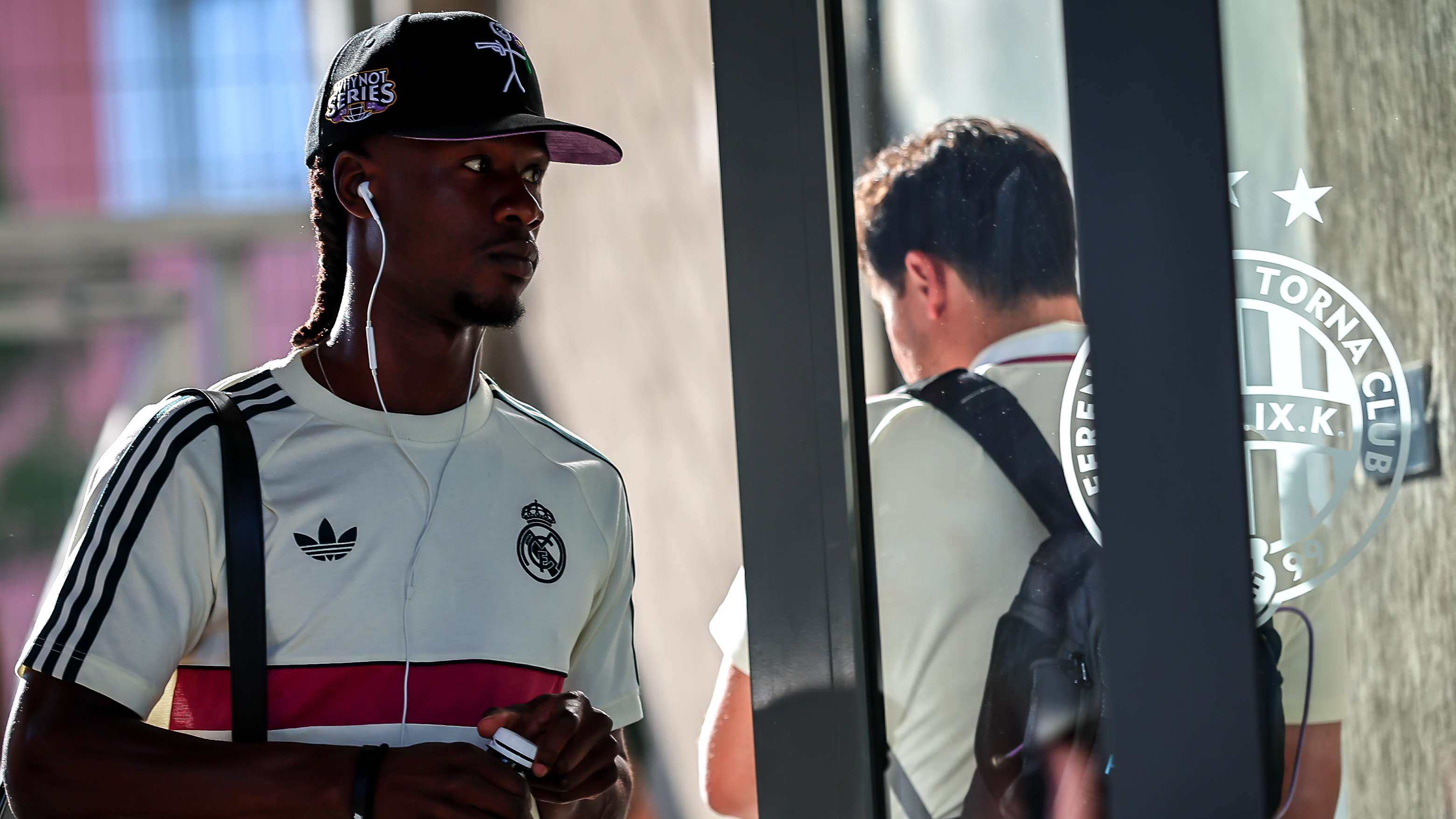
Catalan police have identified the supporter accused of throwing an object and attempting to confront Real Madrid midfielder Eduardo Camavinga during the recent El Clásico at the Camp Nou. The incident, which occurred as Madrid’s players celebrated their second goal, briefly interrupted the match and prompted a formal investigation involving police, La Liga, the Spanish football federation and Barcelona.
The case has renewed attention on stadium security and supporter conduct in Spanish football. While the match itself attracted global interest, the altercation shifted the focus from the action on the pitch to the responsibility clubs and authorities have to protect players, staff and spectators.
What happened during the Camp Nou incident?
According to Spanish newspaper Mundo Deportivo, the accused fan threw an object and tried to approach Camavinga and other Real Madrid players during their goal celebration last Sunday. The disturbance caused a short stoppage as security personnel and match officials responded.
No player was reported to have suffered an injury. Even so, the alleged conduct has been treated seriously because it involved an attempt to reach players on the field of play. Goal celebrations can bring footballers close to the stands, making effective stewarding and crowd control especially important at high-profile fixtures such as El Clásico.
The Mossos d’Esquadra, Catalonia’s regional police force, identified the individual after examining the incident. Reports say he is associated with a supporters’ group in the Camp Nou’s Grada 1957 section. His identification followed cooperation between police and Barcelona’s stadium security team.
Possible fine and stadium ban under Spanish law
Police have filed a complaint under Spain’s Sports Law, and Barcelona’s board has been formally informed. The law sets out different penalties according to the seriousness of an offence. A serious violation can carry a fine of between €3,000 and €60,000, as well as a ban from sporting venues lasting from six months to two years.
More severe, “very serious” offences can bring fines ranging from €60,001 to €650,000 and stadium bans of up to five years. Because no injuries were reported, the incident may be assessed in the serious category, although the final classification and any sanction will depend on the authorities’ findings.
These penalties are administrative measures, separate from any action Barcelona may take under its own membership and stadium rules. A supporter could therefore face consequences from both public authorities and the club.
La Liga and the RFEF open disciplinary proceedings
The investigation has also moved into football’s governing structure. La Liga referred the incident to the Disciplinary Committee of the Royal Spanish Football Federation (RFEF), which opened an official inquiry. That process will examine the circumstances of the disturbance and whether any rules or security obligations were breached.
The review could have implications beyond the individual fan. Depending on what investigators establish, Barcelona may also face disciplinary scrutiny. Such proceedings typically consider the conduct itself, the venue’s security response and whether the club followed the required protocols. No club penalty has been confirmed, and the investigation remains ongoing.
Barcelona’s cooperation with police appears to have helped identify the accused. The club’s security staff reportedly assisted the authorities, while the club has said the matter will be referred to its internal Disciplinary Committee. Possible measures could include removing the supporter’s membership or imposing a permanent ban from the Camp Nou.
Why the case matters for Spanish football
El Clásico is one of football’s most closely watched fixtures, and incidents involving players and spectators can quickly become a wider issue for the sport. The case highlights the need for clear barriers, trained stewards and rapid reporting systems—particularly when players celebrate near the stands or when emotions are running high.
It also underlines the distinction between passionate support and behaviour that puts others at risk. Clubs rely on their supporters to create atmosphere, but throwing objects or attempting to enter players’ space can endanger footballers, staff and fellow fans. Strong, consistent enforcement is intended to deter similar conduct at matches across Spain.
For Barcelona, the response may be important both for safety and for the club’s public standing. Taking internal action could demonstrate that supporter status does not exempt anyone from stadium rules. For the authorities, the investigation offers an opportunity to establish how effectively existing regulations can be applied when a high-profile match is disrupted.
What happens next?
The police complaint, RFEF investigation and Barcelona’s internal review will proceed through separate channels. The authorities will determine the appropriate legal classification and any administrative penalty, while the federation will assess the matter under football’s disciplinary rules. Barcelona will decide whether the fan should face additional club sanctions.
Until those processes conclude, the precise outcome remains uncertain. The absence of reported injuries may influence the assessment, but it does not automatically rule out a substantial fine or stadium ban. The final decision will depend on the evidence gathered and the findings of each body involved.
For supporters following the next round of football, the incident serves as a reminder that matchday conduct carries real consequences. In a rivalry as intense as El Clásico, the best prediction for a safer game is not about the scoreline: it is that clubs, authorities and fans all help keep attention on the football rather than preventable incidents in the stands.