
Jamie Carragher Sparks Debate Over Michael Carrick’s Future at Manchester United
In the ever-evolving world of football, opinions from seasoned analysts often ignite lively debates among fans and experts alike. Recently, former Liverpool defender Jamie Carragher has stirred controversy with his pointed comments regarding Michael Carrick’s role at Manchester United. Carragher’s assessment has not only raised eyebrows but also prompted a broader discussion about the future direction of the Red Devils and the challenges faced by interim managers in the Premier League.
Understanding Jamie Carragher’s Perspective on Carrick’s Role at Manchester United
Interim Manager or Long-Term Candidate? Carragher’s Viewpoint
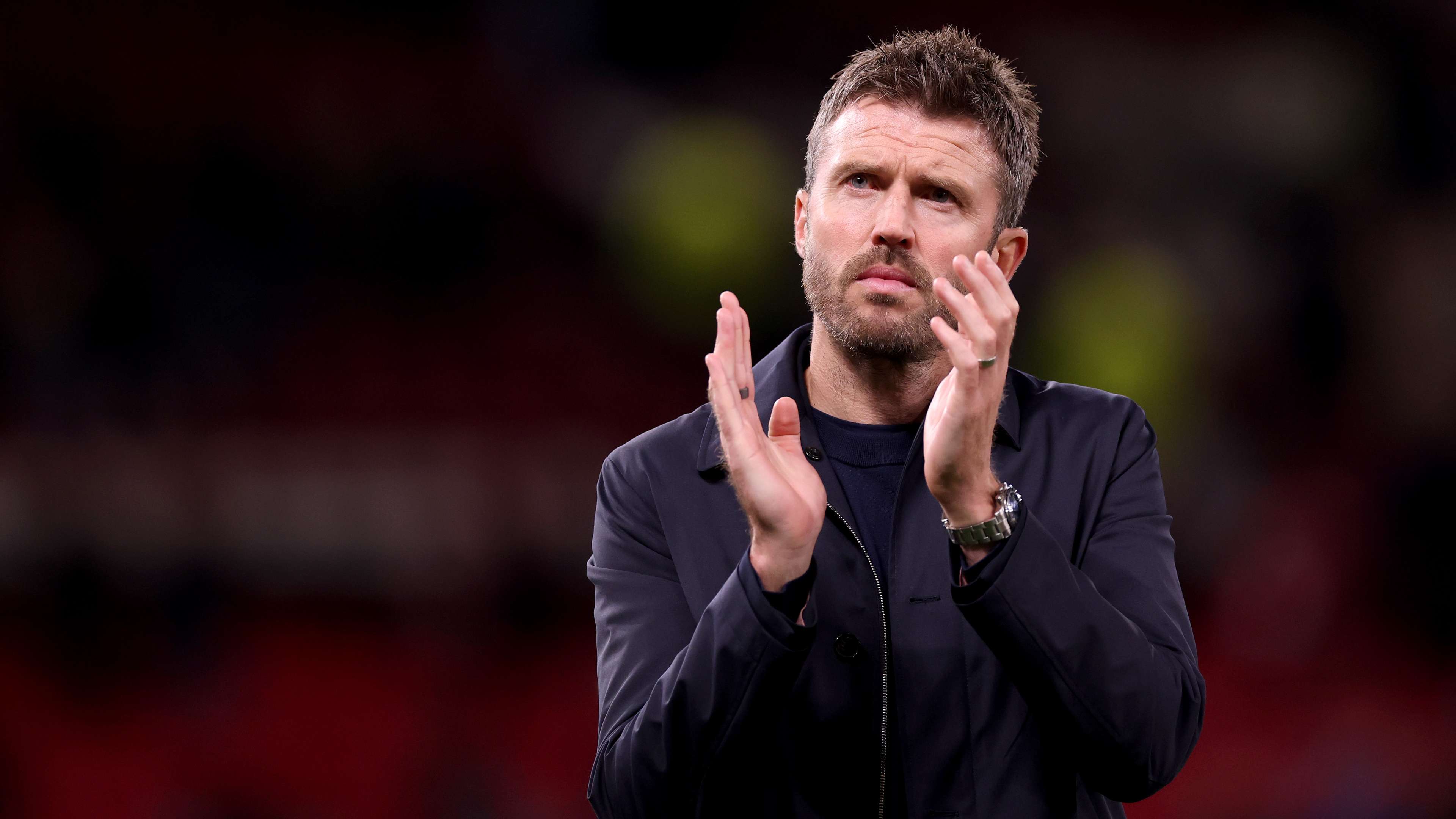
Jamie Carragher, renowned for his insightful football analysis, has expressed skepticism about Michael Carrick’s prospects as a potential long-term appointment at Manchester United. Carragher characterizes Carrick’s current position as effectively an “interim” role—someone brought in temporarily to steady the ship during a turbulent period. According to Carragher, this status fundamentally limits Carrick’s chances of being considered for the head coach role on a permanent basis, especially at a club of United’s stature.
“Carrick is effectively an interim manager,” Carragher stated in a recent broadcast. “He’s done a decent job during a challenging spell, but if you look at the history of elite clubs, they tend to prefer managers with proven pedigree or extensive experience. I don’t see Carrick being viewed as a long-term solution, especially when competing with other top-tier candidates.”
The Context of Carrick’s Caretaker Success
Since stepping into the managerial role temporarily, Carrick has overseen a series of matches that have helped Manchester United secure Champions League qualification—a significant achievement given the club’s recent struggles. His steady leadership and tactical decisions have been praised by some, yet critics like Carragher remain unconvinced about his long-term viability as the club’s manager.
It’s important to note that Carrick’s tenure as caretaker was marked by a pragmatic approach, focusing on stability and restoring confidence within the squad. This has sparked a debate about whether such interim success can translate into sustained, long-term achievement at the highest level of football.
The Broader Debate: Interim Managers in Premier League Football
Challenges Faced by Temporary Appointments
Manchester United’s situation with Michael Carrick is not unique in Premier League football. Many top clubs have faced similar dilemmas when appointing interim managers following managerial sackings. These short-term appointments often serve as a stopgap, providing a much-needed breather while the club searches for a permanent solution.
However, the transition from caretaker to permanent manager is fraught with challenges. Interim managers typically lack the time to implement their full vision, often inherit existing squad issues, and are under immense pressure to deliver immediate results. As a result, their long-term prospects are frequently limited, especially if they lack prior experience managing at the highest level.
Why Do Top Clubs Prefer Proven Long-Term Managers?
Elite football clubs, including Manchester United, often prioritize stability and a clear footballing philosophy when appointing a manager. Proven success at the top level, strategic vision, and leadership qualities are key factors in these decisions. Carragher’s critique underscores a broader trend: clubs tend to favor managers with extensive track records and a history of delivering sustained success, particularly in high-pressure environments.
Implications for Manchester United’s Future
What Does This Mean for the Red Devils?
Manchester United is currently navigating a pivotal phase, with ambitions to reclaim their status as a dominant force in football. The debate surrounding Carrick’s role exemplifies the club’s broader strategic considerations: should they prioritize continuity and stability, or pursue a bold long-term appointment that might reshape their future?
While Carrick’s interim success has been commendable, many fans and pundits wonder if the club will look beyond temporary solutions to secure a manager capable of delivering sustained excellence. The decision will likely influence the team’s football prediction outlook, shaping expectations for upcoming seasons and potential title challenges.
The Role of Football Predictions in Shaping Club Strategies
Football prediction models—based on form, tactical stability, and managerial experience—play an increasingly prominent role in club decision-making. Experts analyze numerous factors to forecast long-term success, making the choice of a manager a critical component of football prediction assessments. Manchester United’s choice, whether to appoint a seasoned tactician or continue with Carrick as an interim, will significantly impact their predicted trajectory in domestic and European competitions.
Additional Insights: The Path Forward for Manchester United
As the club contemplates its managerial future, several key factors come into play. These include the availability of top-tier candidates, the club’s financial considerations, and the desire to maintain a competitive squad capable of challenging for major trophies. The coaching landscape in football has evolved, with many clubs now emphasizing data-driven decisions and strategic planning.
For Manchester United, the current scenario underscores the importance of a careful, strategic approach to leadership appointments. Whether they opt for an experienced, proven manager or choose to give Carrick a shot at the long-term role, the decision will be scrutinized through the lens of football prediction and performance analysis.
Conclusion: A Critical juncture in Manchester United’s Football Journey
Jamie Carragher’s comments have reignited the debate about the viability of interim managers in top football clubs. While Michael Carrick has demonstrated commendable qualities during his caretaker spell, the question remains whether he can transition from a temporary solution to a long-term answer for Manchester United. As the club seeks stability and success, the decision will undoubtedly influence their football prediction outlook, shaping their trajectory in the fiercely competitive landscape of Premier League football.
Ultimately, Manchester United’s choice of managerial leadership will reflect their vision for the future, balancing immediate results with long-term strategic planning. Fans, pundits, and experts alike will continue to watch closely, eager to see if the Red Devils can navigate this critical phase and reclaim their place among Europe’s elite.