
Zakaria Aboukhlal Faces Online Abuse After Antonio Raimondo Injury
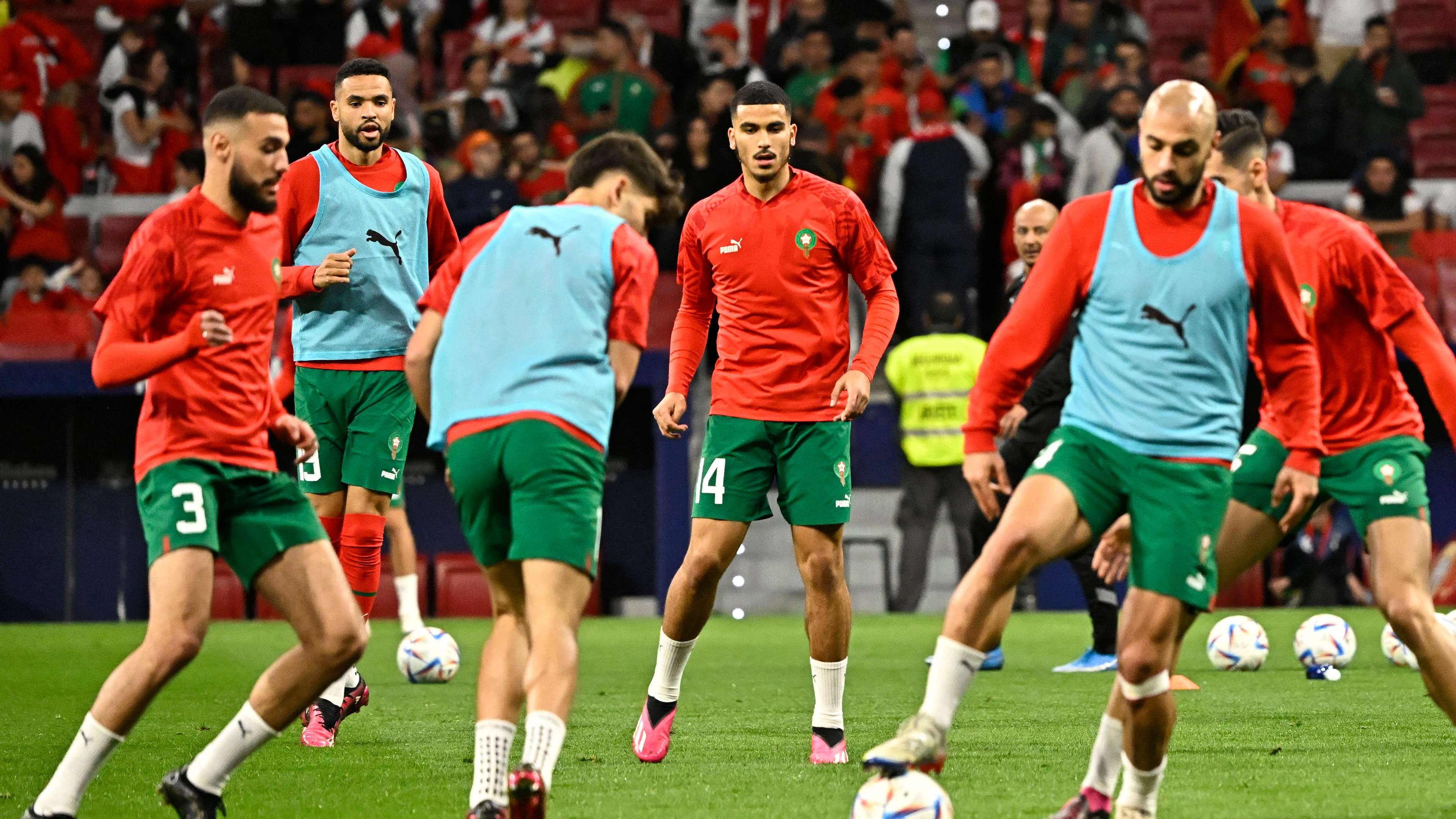
Moroccan international Zakaria Aboukhlal has become the target of a wave of insults, threats and racist abuse after a challenge left Frosinone striker Antonio Raimondo with a serious left ankle injury during a Serie A match against Torino. The incident has prompted anger among supporters, but the response directed at the Torino player has crossed the line between football criticism and personal harassment.
According to Foot Mercato, Aboukhlal’s latest Instagram post has been flooded with hostile messages since the extent of Raimondo’s injury became known. Some users blamed the Moroccan for the collision and posted comments including “Retire!” and “You are ruining other people’s careers!” Others used racist language and threats, turning a painful sporting incident into an online abuse campaign.
A Serious Injury Sparks a Heated Reaction
Raimondo was hurt during Sunday’s Serie A meeting between Torino and Frosinone. The Italian forward suffered damage to his left ankle following a heavy challenge involving Aboukhlal. The injury immediately became one of the match’s most distressing moments, with concern focused on Raimondo’s condition and the potential impact on his playing career.
In professional football, forceful challenges can have serious consequences, even when a player does not intend to cause harm. Supporters may debate whether a tackle was reckless, mistimed or simply part of the game, and those questions can be examined through match footage, referee decisions and disciplinary processes. But expressing concern for an injured player does not justify threats, racist comments or attempts to intimidate another athlete.
The online reaction appears to have intensified after news of Raimondo’s ankle injury circulated. Aboukhlal’s social media account became a focal point for angry users, many of whom treated the injury as proof of deliberate wrongdoing. That assumption is not established by the information available, and it risks replacing a discussion of the incident with a public rush to assign blame.
Aboukhlal Apologises to Raimondo
Aboukhlal expressed regret after the match and said he had not intended to hurt his opponent. “I am sorry to Raimondo, I never meant to hurt him,” he said, acknowledging the seriousness of the situation and addressing the player directly.
An apology cannot undo an injury or ease the uncertainty an injured footballer may face. Still, it is an important response when a challenge has caused harm. Aboukhlal’s words indicate that he recognised the impact of the collision and wanted Raimondo to know that injury was not his intention.
Some supporters were evidently not satisfied by the apology. The anger directed at the Moroccan continued, with messages extending beyond criticism of the tackle and into personal abuse. Comments such as “You carpenter, go back to work!” and “You are ruining other people’s careers!” illustrate how quickly online debate can become demeaning and threatening.
Where Football Criticism Becomes Harassment
Football is an emotional sport, and intense reactions to controversial moments are part of the culture surrounding the game. Fans have every right to question a player’s decision-making, discuss the referee’s response or call for an appropriate review if they believe a challenge violated the rules. But criticism should remain focused on the football action—not on a player’s race, identity or personal safety.
Racist abuse is not an extension of passionate support. It is discrimination, and threats are not a legitimate form of accountability. When a player’s social media page is overwhelmed with hostile messages, the consequences can extend well beyond one match. Professional athletes are public figures, but they remain people who can be affected by persistent intimidation and abuse.
The incident also highlights a wider challenge for clubs, leagues and social media platforms. High-profile injuries can quickly become viral stories, while the context around a collision may be lost in short clips and emotionally charged posts. Platforms can help by enforcing rules against threats and racist content, while clubs and football authorities can make clear that disagreement over a tackle does not excuse harassment.
Support for Raimondo and Fair Treatment for Aboukhlal
For Frosinone and Raimondo, attention will now turn to medical assessment, recovery and the likely effect of the injury on the striker’s availability. An ankle injury can vary considerably in severity, so any judgment about his rehabilitation or return should depend on information from the club and medical staff rather than speculation online.
Torino, meanwhile, may be expected to support Aboukhlal as he deals with the reaction. Any formal review of the challenge should be handled through the proper sporting channels, where evidence and the match officials’ decisions can be considered. That process is more constructive than a social media pile-on, which offers neither a reliable verdict nor meaningful support to the injured player.
As the discussion continues, the clearest priority is Raimondo’s health and recovery. Aboukhlal has publicly apologised and said he did not mean to cause harm. Fans can debate the incident and seek answers without resorting to racism, threats or personal attacks. In football, accountability matters—but so do proportion, respect and basic human decency.
Football prediction: With both teams’ upcoming fixtures approaching, supporters will be watching for updates on Raimondo’s recovery and Aboukhlal’s response on the pitch. Any prediction about their next performances should be treated cautiously until the clubs provide clearer information about fitness, selection and the effects of this emotionally charged incident.