
AC Milan’s Owner Gerry Cardinale Eyes Expansion in Global Football Investment
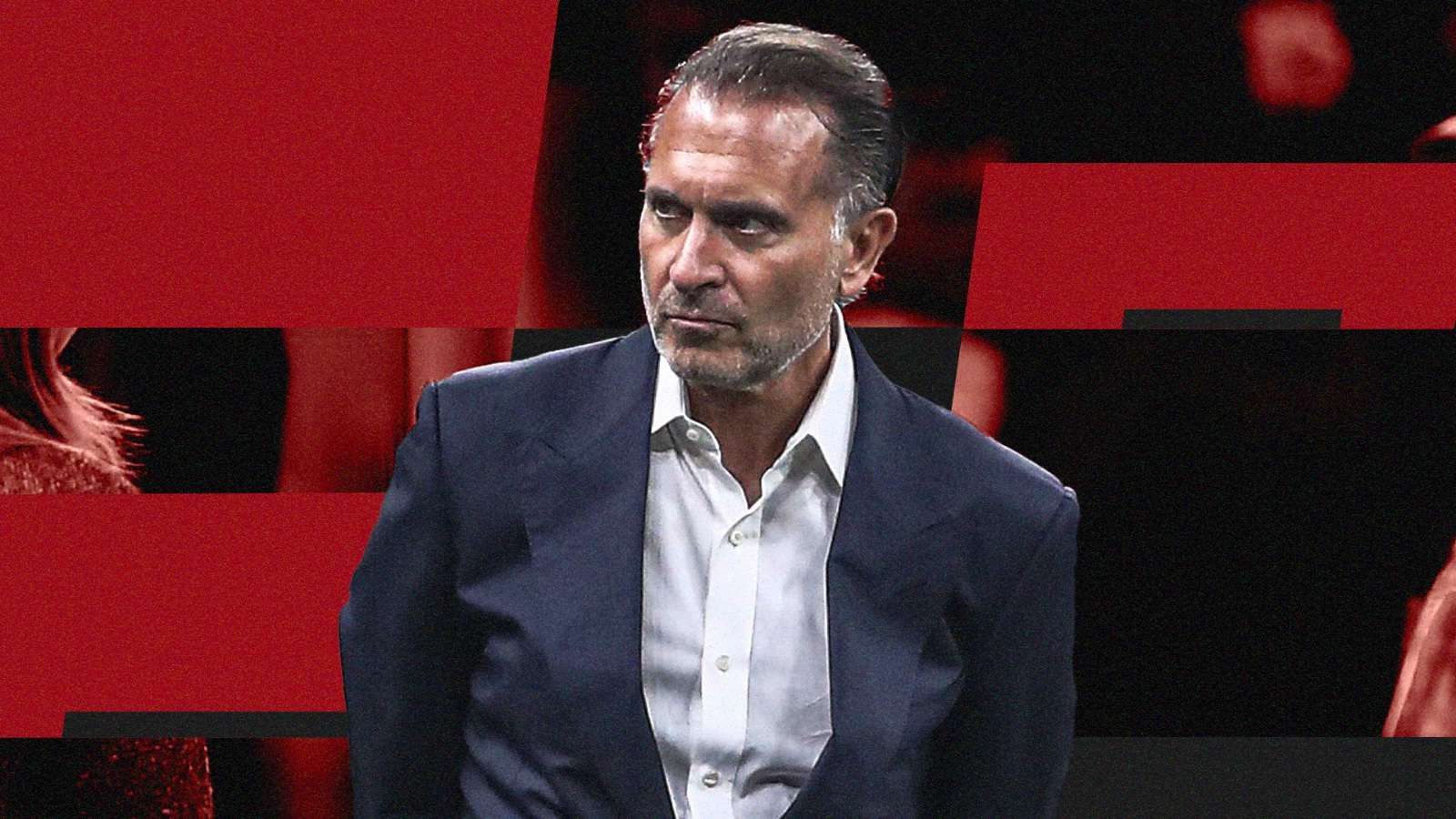
In the world of football, strategic investments and club ownership are increasingly becoming vital components of a club’s success both on and off the pitch. Gerry Cardinale, the visionary founder and managing partner of RedBird Capital Partners, has been making significant waves in this arena with his ambitious plans for AC Milan. But recent reports suggest that his aspirations extend beyond Italy and Europe, aiming to reshape the landscape of international football through a broader investment strategy.
Reaffirming Commitment to AC Milan’s Revival
Gerry Cardinale’s dedication to restoring AC Milan to its former glory remains unwavering. Since acquiring the legendary Italian club, he has emphasized a clear vision: to elevate the Rossoneri back to the pinnacle of European football. This includes not only investing in top-tier talent and infrastructure but also fostering a sustainable model that balances competitive success with financial stability.
Under his leadership, AC Milan has seen a renewed sense of purpose, with strategic signings, improved youth development, and a focus on modernizing club operations. Yet, while the immediate goal is to solidify AC Milan’s status among Europe’s elite, Cardinale’s ambitions seem to reach even further, hinting at a larger, more interconnected vision for football investments worldwide.
Expanding Influence: The Role of RedBird Capitals in International Football
According to Sportitalia, a reputable source within the Italian sports media landscape, Gerry Cardinale is contemplating expanding his investment portfolio beyond AC Milan and Toulouse FC, which he also owns through RedBird Capital. This move is driven by a desire to influence and participate more actively in the global football economy, leveraging the growing commercial appeal of the sport across continents.
RedBird Capital Partners has already made notable strides in the football sphere, but the potential for further expansion is immense. By acquiring stakes in clubs across different leagues and regions, the fund aims to develop a diversified portfolio that can capitalize on the increasing global popularity of football, especially in emerging markets.
Targeting the Middle East: The Next Frontier for Football Investments
One of the most intriguing possibilities on the horizon involves the Middle East, particularly Saudi Arabia’s burgeoning football scene. Reports suggest that Cardinale’s next strategic move could involve Al Nassr, the Riyadh-based club that has gained international attention thanks to the signing of football legend Cristiano Ronaldo.
Al Nassr has quickly become a symbol of Saudi Arabia’s ambitious vision to position itself as a major hub for world-class football. The club has attracted global stars with lucrative contracts and is part of the broader Kingdom’s push to diversify its economy and elevate its sporting profile. For Gerry Cardinale, investing in Al Nassr could represent a lucrative opportunity to expand his influence in a rapidly growing market and to tap into the sport’s commercial potential in the Middle East.
Why Saudi Arabia’s Football Market Is an Attractive Investment Opportunity
Saudi Arabia’s investment in football is part of a strategic vision that involves hosting international tournaments, developing local talent, and attracting global stars to its clubs. The country’s leadership recognizes football’s power as a tool for soft diplomacy, tourism, and economic diversification. This environment creates fertile ground for foreign investors like Gerry Cardinale to establish a foothold and influence the development of the sport in the region.
Moreover, the influx of high-profile players such as Cristiano Ronaldo, Karim Benzema, and Neymar has significantly raised the profile of Saudi clubs, attracting worldwide attention and boosting revenue streams through ticket sales, sponsorship deals, and broadcasting rights.
Implications for the Global Football Landscape
Gerry Cardinale’s potential move into Saudi Arabian football highlights a broader trend in the industry: the increasing globalization of club ownership and investment. As traditional European clubs face financial challenges and evolving competitive dynamics, innovative investors are looking towards emerging markets to secure long-term growth opportunities.
This trend also raises important questions about the future of football governance, the balance of power among clubs, and the influence of private investment on the sport’s integrity. While some critics worry about the commercialization and commodification of football, proponents argue that strategic investments can lead to improved infrastructure, youth development, and competitive balance.
What This Means for Fans and the Future of Football
For football enthusiasts worldwide, Gerry Cardinale’s expanding footprint signals exciting times ahead. His vision aims to blend sporting excellence with smart business strategies, potentially leading to more competitive leagues, enhanced fan engagement, and increased global reach for the beautiful game.
As investors like Cardinale continue to shape the future of football, fans can look forward to a sport that is not only more commercially viable but also more inclusive and innovative. The integration of new markets such as the Middle East could also foster cultural exchange, elevate local leagues, and create new opportunities for young talent around the world.
Conclusion: A New Era in Football Investment
Gerry Cardinale’s ambitions reflect a broader transformation within the world of football ownership—one driven by strategic investment, global expansion, and a desire to leave a lasting legacy. While his immediate focus remains on restoring AC Milan to its rightful place among Europe’s elite, his sights are set on a much larger canvas: the global football ecosystem.
Whether through expanding influence in European leagues or venturing into the Middle Eastern market with clubs like Al Nassr, his actions could reshape the way football clubs are owned, operated, and developed in the coming years. For fans, industry insiders, and stakeholders alike, this signals an exciting new chapter—one where smart investments and innovative strategies could elevate the sport to unprecedented heights.