
Jesus de Miguel in Critical Condition After Collision During Tenerife vs Andorra Match
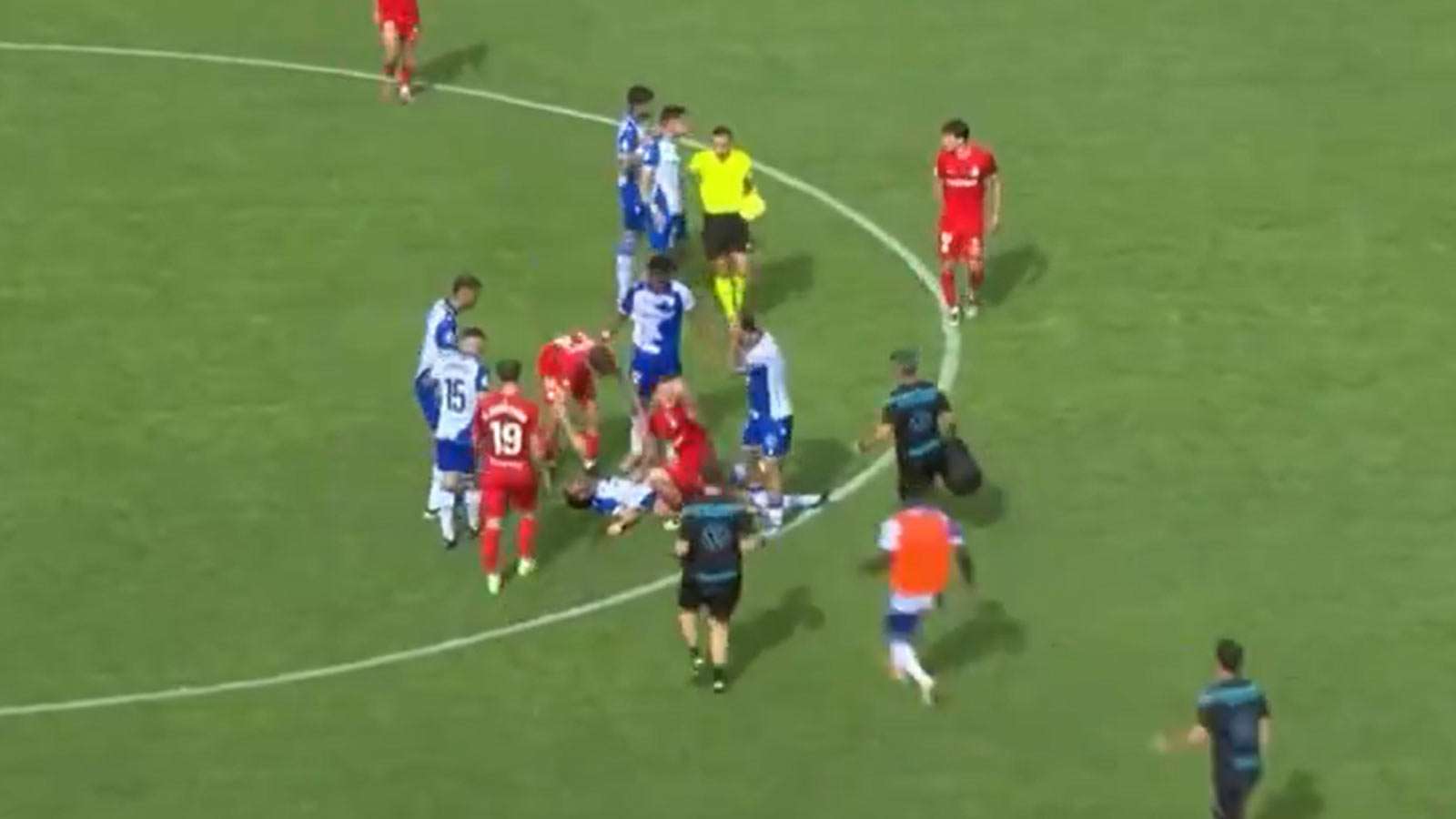
CD Tenerife striker Jesus de Miguel is in critical condition after a serious collision with FC Andorra goalkeeper Jesus Owono during a Spanish second-division football match. The incident occurred in the closing moments of Monday’s 2-2 draw, prompting the referee to abandon the game as players and staff looked on in shock.
De Miguel, 30, was taken to Nuestra Señora de Candelaria University Hospital with significant injuries to his head and chest. Although Tenerife initially described his condition as stable, the club reported on Tuesday morning that his neurological condition had deteriorated overnight. Further medical updates are expected.
How the injury happened
The collision took place in the seventh minute of stoppage time, with the teams level at 2-2. Tenerife launched a counter-attack from deep in their own half, sending a long pass toward the Andorra goal. De Miguel accelerated after the ball, focused on reaching it before the opposing goalkeeper.
Owono also left his goal and sprinted forward to intercept the pass. He jumped in an attempt to clear it, but the two players collided heavily just beyond the halfway line. The impact left De Miguel on the ground, where he appeared to be in severe distress.
Owono was shown a red card for the challenge. An Andorra player reached De Miguel first and quickly signalled urgently toward the touchline, alerting medical staff to the seriousness of the situation. The referee, Manuel Pérez, abandoned the match shortly after the goalkeeper’s dismissal.
Emergency treatment and hospital update
Spanish media reported that De Miguel suffered a cardiac arrest while being transported to hospital by ambulance and was resuscitated by paramedics. The reports underline the urgency of the medical response, although the club’s public updates have focused on his injuries and changing condition.
Tenerife initially said the forward was in a “stable condition” after being admitted to Nuestra Señora de Candelaria University Hospital. However, the club later announced that his condition had “deteriorated neurologically” during the night. The change has heightened concern among supporters and the wider Spanish football community.
At this stage, the club has not provided further detail about the extent of De Miguel’s injuries or what treatment he is receiving. In cases involving serious head trauma, a patient’s condition can change as doctors monitor neurological signs and assess the effects of the initial injury. Any prognosis will depend on medical evaluations, and the club’s next update will be important for those following his recovery.
Players and clubs show support
The collision visibly affected players from both teams. Several Tenerife teammates were seen in tears, while players from Andorra also appeared shaken. The decision to end the match reflected the gravity of the incident and the difficulty of continuing in such circumstances.
FC Andorra issued a message of support, saying: “We want to send Jesus de Miguel all our strength and best wishes after the serious incident he suffered during today’s match. We hope he recovers soon.”
Messages also came from clubs across Spain, including Real Madrid, Valencia and Rayo Vallecano. Their statements expressed sympathy and hopes for a swift recovery, illustrating how a serious injury can unite clubs and supporters beyond the usual rivalries of league competition.
What happens next for Tenerife and Andorra?
The abandoned match had been tied at 2-2 when play stopped. The Spanish football authorities are expected to determine how the fixture will be handled, including whether the remaining minutes will be played at a later date or whether another arrangement will be made. Any decision will follow the relevant competition rules and take account of the circumstances surrounding the stoppage.
Both clubs also have upcoming fixtures on their schedules, including Copa del Rey and Segunda División commitments. The immediate priority, however, is De Miguel’s health. Match preparations, team selection and any football prediction for the sides’ next games are secondary while players, staff and fans await news from the hospital.
A reminder of football’s emergency response
Monday’s incident has once again highlighted the importance of rapid medical care at professional football matches. Pitchside teams, ambulance crews and hospital staff can play a crucial role when a player suffers a life-threatening injury. The reported cardiac arrest during transport makes the speed and coordination of that response especially significant.
For now, there is no confirmed timetable for De Miguel’s recovery, and the latest update is serious. Tenerife supporters and the wider football community will be watching for further information from the club and hospital. Until then, the focus remains firmly on the 30-year-old’s condition and on hopes that he can make progress after a frightening night in Tenerife.