
Inter Milan’s Contract Plans: Hakan Calhanoglu Renewal Remains on the Agenda
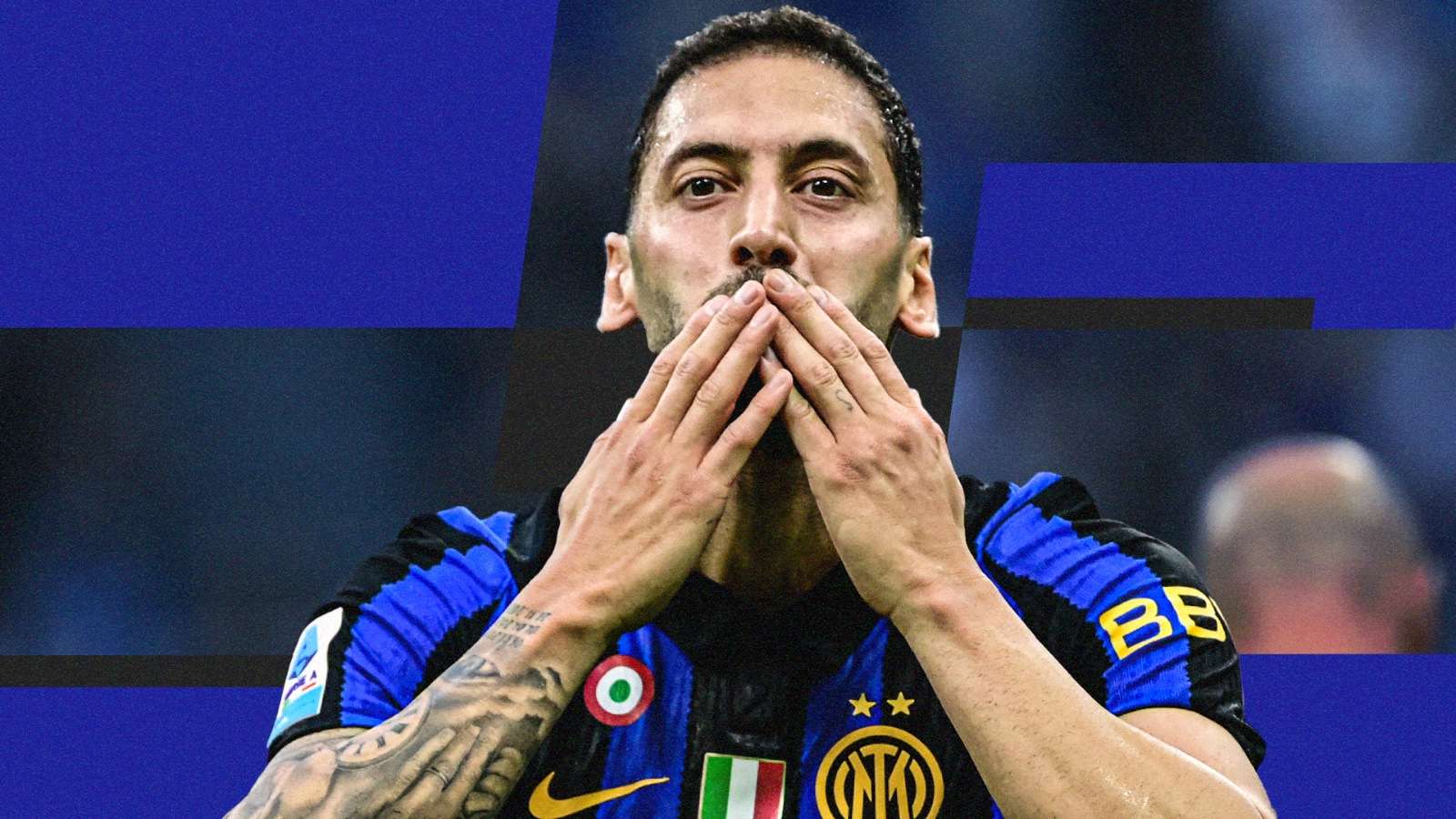
Inter Milan have begun setting priorities for their next round of contract negotiations, with Carlos Augusto expected to receive attention before the club returns to discussions with Hakan Calhanoglu. The Turkish midfielder remains one of the most important players in the squad whose current deal is scheduled to expire on 30 June 2027, making his future a significant issue for the club’s long-term planning.
Although talks over a possible extension started earlier this year, negotiations have since slowed. The two sides are understood to remain some distance apart, but Calhanoglu has not closed the door on staying at Inter. That leaves room for further discussions, even as the club weighs its priorities and the player considers what comes next.
Why Calhanoglu’s Contract Matters to Inter
Calhanoglu is more than a regular presence in Inter’s midfield. His passing range, composure under pressure and ability to dictate the tempo make him a key part of the team’s structure. He can help the side move the ball through midfield, switch play quickly and maintain control when opponents press aggressively. Those qualities make his contract situation more than a routine administrative matter.
Inter have already taken steps to secure other important players. Federico Dimarco’s deal was extended through a contractual clause, while Carlos Augusto is now the club’s immediate renewal priority. Once that matter is addressed, Calhanoglu is expected to return to the centre of the conversation. The order of negotiations does not necessarily indicate that Inter value one player over another; it reflects the club’s approach to managing several contracts and financial commitments at once.
A key figure in the midfield plan
Keeping an established midfielder can provide continuity in a squad that must compete across domestic and European competitions. A renewal would give Inter greater certainty when planning future transfer business, particularly if the club wants to avoid replacing a central player at short notice. It could also help preserve the partnerships and tactical understanding built over multiple seasons.
However, a new contract must work for both sides. Inter need to balance the cost of extending an important player’s deal against other squad requirements, while Calhanoglu will want an agreement that reflects his role and contribution. That balance can make negotiations challenging even when there is mutual respect and a willingness to continue together.
Negotiations Have Stalled, but the Door Is Still Open
The initial discussions began at the start of the year, but progress has not been straightforward. The reported gap between the club’s position and the player’s expectations remains substantial enough to slow the process. No agreement has been reached, and the situation will likely depend on whether both parties can find common ground on the terms of a longer commitment.
For now, there is no indication that Calhanoglu has ruled out an Inter extension. That is an important distinction: stalled negotiations do not automatically mean a departure is inevitable. Contract talks can pause while clubs complete other business, review budgets or reassess their plans for the coming seasons. A renewed push could follow once Inter have dealt with their immediate priorities.
At the same time, the club cannot afford to ignore the calendar. Under the rules described in the current situation, Calhanoglu could be free to sign a pre-contract agreement with another club from February if his deal is approaching its final six months. That possibility does not mean he will leave, but it gives the player more options and increases the importance of reaching clarity before the deadline approaches.
Transfer Prediction: What Could Happen Next?
Any transfer prediction about Calhanoglu’s future should be treated cautiously while he remains open to renewing. The most immediate expectation is that Inter will first focus on Carlos Augusto, then resume or intensify talks with their Turkish midfielder. If the two sides narrow the financial gap, an extension could still be the most straightforward outcome for both the club and the player.
If negotiations remain stalled, outside interest could become more relevant. A player nearing the end of his contract may attract attention from clubs looking to secure an experienced midfielder without paying a transfer fee. That prospect could give Calhanoglu additional leverage, while also forcing Inter to consider whether they should sell earlier rather than risk losing him for nothing at the end of his deal.
Still, a potential free transfer should not be confused with a confirmed exit. Inter have time to continue discussions, and the player has yet to dismiss the possibility of staying. The coming months may therefore be less about an immediate decision and more about whether the club can present a proposal that matches his expectations and fits its broader wage structure.
What Inter’s Decision Could Mean for the Squad
Securing Calhanoglu would offer Inter stability in a position where experience and tactical discipline are especially valuable. It would allow the coaching staff to plan around a familiar midfield core and reduce the risk of needing an urgent replacement. If he eventually departs, the club would face a more complex task: identifying a successor with the technical ability to control possession and the experience to handle pressure at the highest level.
That replacement would not necessarily need to be a direct copy of Calhanoglu. Inter could use a transfer to reshape the midfield, promote a younger option or redistribute creative responsibilities across the team. But any such change would require careful planning, particularly if the departure came with little time to prepare.
For now, the situation remains unresolved rather than settled. Inter’s priority is clear: complete the next renewal in their plan, then return to Calhanoglu’s contract. The midfielder’s willingness to consider an extension keeps the possibility of an agreement alive, but the gap between the parties and the approaching free-agent window mean the outcome deserves close attention. Until negotiations advance, both a renewal and a future transfer remain possibilities—not certainties.