
CAF Young Player of the Year 2026: Four Arab Footballers Join a Competitive Nominee List
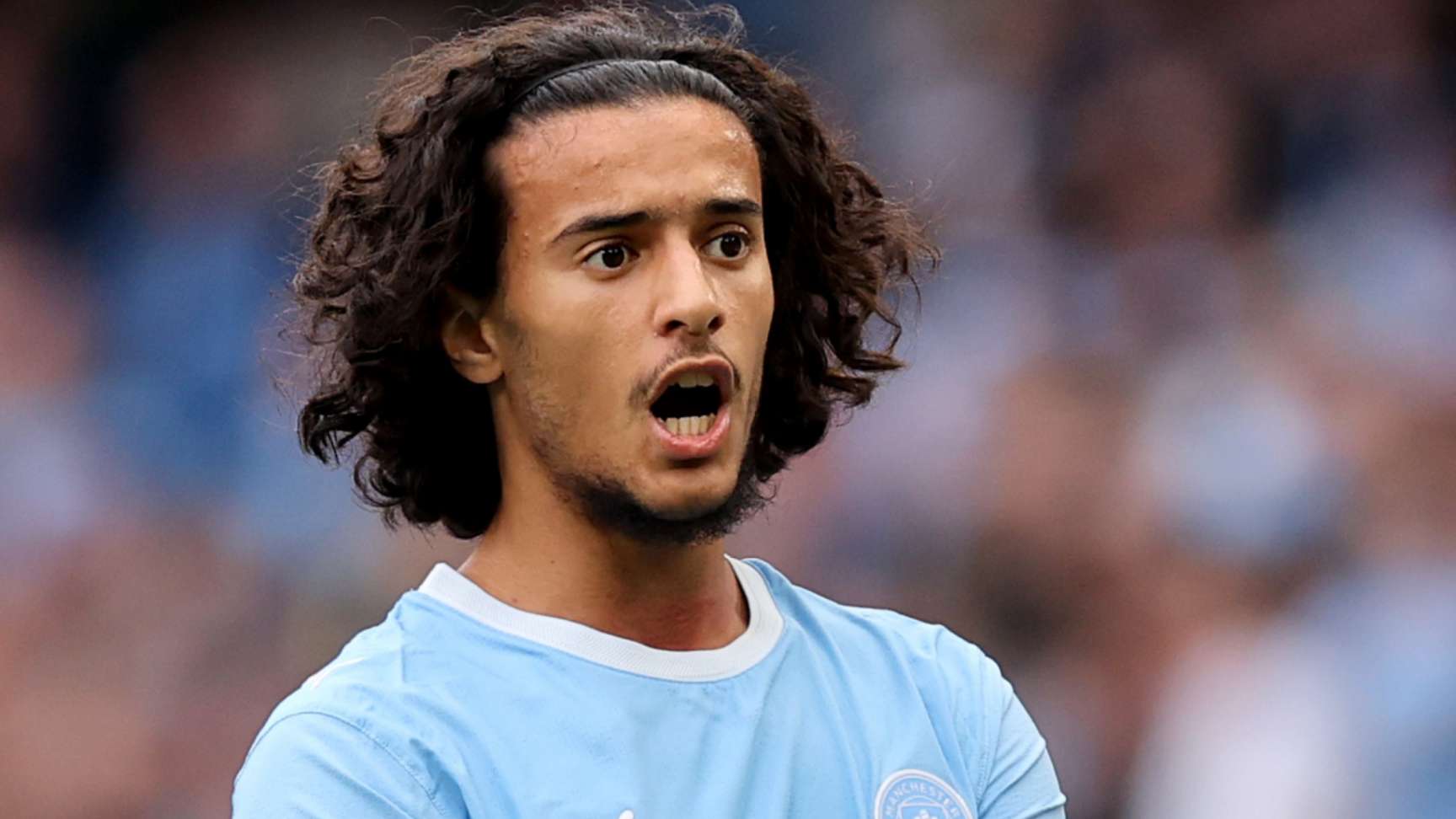
The race for the 2026 CAF Young Player of the Year award is shaping up as a compelling contest, with emerging football talents from across Africa competing for one of the continent’s most closely watched individual honours. Four Arab players have earned nominations, led by Morocco’s Ayoub Bouaddi, while a strong group of rising stars from other African nations will also be hoping to make their mark.
Bouaddi, who represents Manchester City, is among the most prominent names in the field. He is joined by Egyptian forward Hamza Abdelkarim, currently with Barcelona; Moroccan prospect Abdellah Ouazane of Ajax; and Algeria’s Ibrahim Maza, who plays for Bayer Leverkusen. Their inclusion highlights the growing presence of North African players in elite European football and gives supporters across the region plenty to follow as the award race develops.
Four Arab nominees bring international attention
The Arab contingent offers a blend of promise and opportunity. Bouaddi’s profile at Manchester City places him under particular scrutiny, while Abdelkarim’s move into Barcelona’s football environment gives the Egyptian a major platform. Ouazane’s development at Ajax adds another Moroccan name to the conversation, and Maza’s performances for Bayer Leverkusen make him a notable representative of Algeria.
For young players, recognition from CAF can be significant beyond the award itself. A nomination can raise a prospect’s profile, draw attention to their progress and encourage further investment in their development. It can also offer a useful measure of how African talent is being recognised while competing in different leagues and football cultures.
Still, a strong club name alone does not determine the outcome. Voters and fans will be interested in the broader picture: each player’s influence on the pitch, consistency, contribution to team success and performances for their national side. The final prediction is therefore difficult to make before the full season’s achievements and award criteria are considered.
Diomande headlines a deep field of African prospects
One of the leading challengers to the Arab nominees is Yan Diomande, who represents Real Madrid and the Ivory Coast national team. His presence gives the shortlist a high-profile contender and adds further intrigue to a race featuring young footballers from several regions of the continent.
The nominees also include Christian Kouame, associated with Bayer Leverkusen and Cameroon, and Christ Inao of Fiorentina and the Ivory Coast. Ghana’s Caleb Yirenkyi, who plays for Coventry City, adds another name to watch, while Ismael Camisoko of Mali and Etoile Mandji and Senegalese prospect Ibrahim Mbaye of Aston Villa complete the group.
The range of clubs and national teams represented reflects the increasingly international pathways available to African players. Some are developing in major European academies and senior squads; others are building their reputations through opportunities closer to home. That mix makes the award more than a contest between familiar club badges: it is also a snapshot of how varied the routes to the top level can be.
What could shape the 2026 award prediction?
Any early prediction should be treated with caution. A player’s reputation can attract attention, but the strongest case is usually built through sustained performance. Match minutes, decisive contributions, growth over the season and the ability to handle pressure may all influence how a young player is judged. International football could also prove important, particularly if a nominee delivers memorable performances for his country.
Team context matters as well. A prospect who earns regular responsibility in a competitive side may demonstrate a different kind of value from one whose opportunities are more limited but who makes a major impact when selected. Supporters will be watching not only goals and assists, but also the less obvious signs of development: decision-making, defensive work, movement, composure and adaptability.
The diversity of positions and playing environments among the nominees should make comparisons especially interesting. Rather than focusing on one statistic, fans may want to assess how each footballer contributes to his team’s overall play. That approach offers a more balanced view of a young player’s influence and helps explain why individual awards can generate such lively debate.
A showcase for Africa’s next generation
The CAF Young Player of the Year shortlist places a spotlight on a generation with the potential to shape African football in the years ahead. The four Arab nominees give the award a strong North African dimension, while Diomande and the remaining contenders ensure that the competition spans a broad range of countries and clubs.
For fans, the nomination list provides a reason to follow these players more closely throughout the season. Their progress may be measured in first-team appearances, improved performances, national-team opportunities or growing responsibility at club level. Each milestone can strengthen a candidate’s case and add fresh momentum to the conversation.
Whether Bouaddi leads the Arab challenge, one of his regional peers makes a late push, or a contender such as Diomande emerges as the favourite, the 2026 race promises plenty of talking points. The eventual winner will receive individual recognition, but the wider significance is the attention given to Africa’s rising football talent—and to the many different paths these young players are taking toward the global stage.