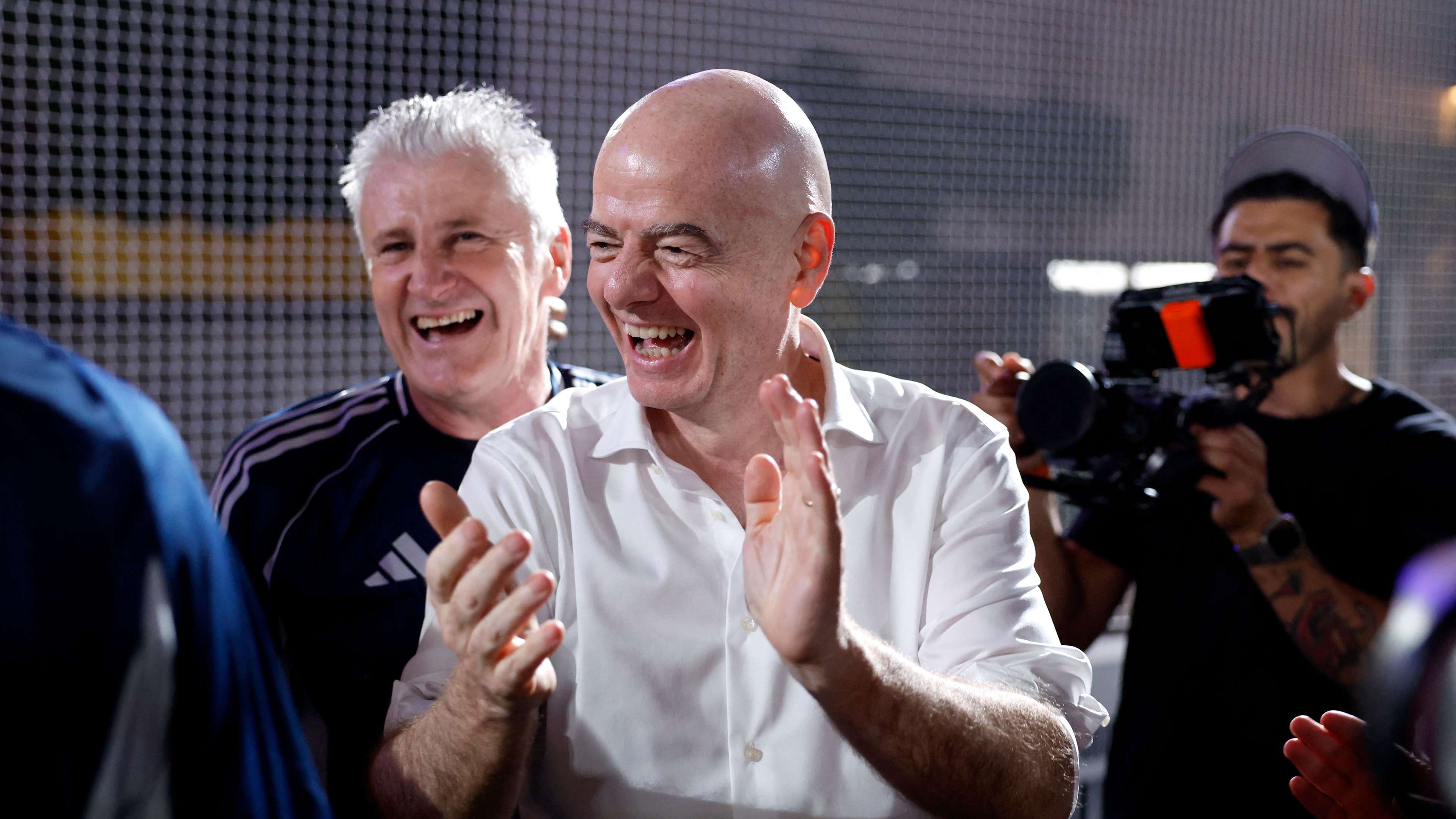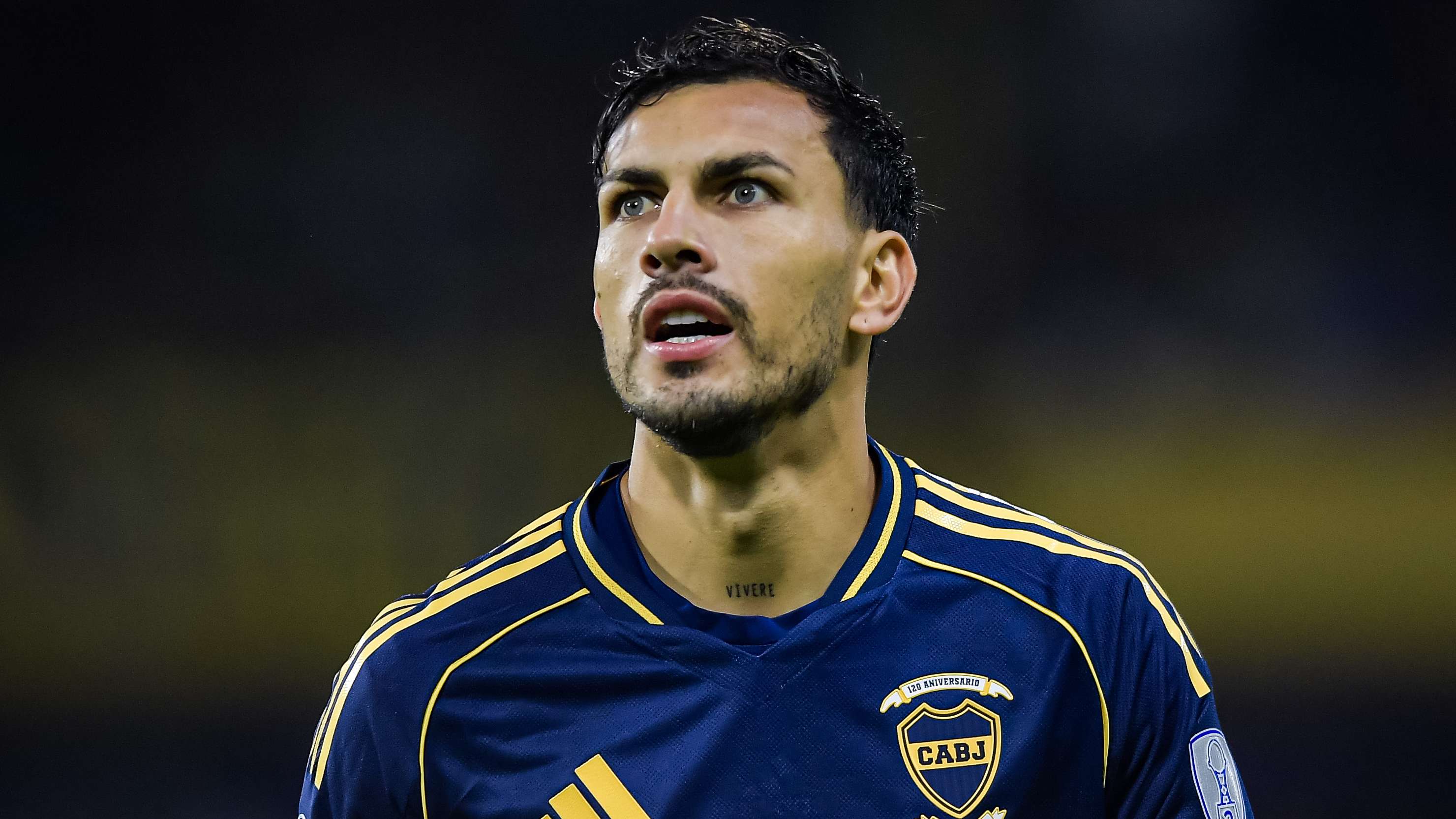
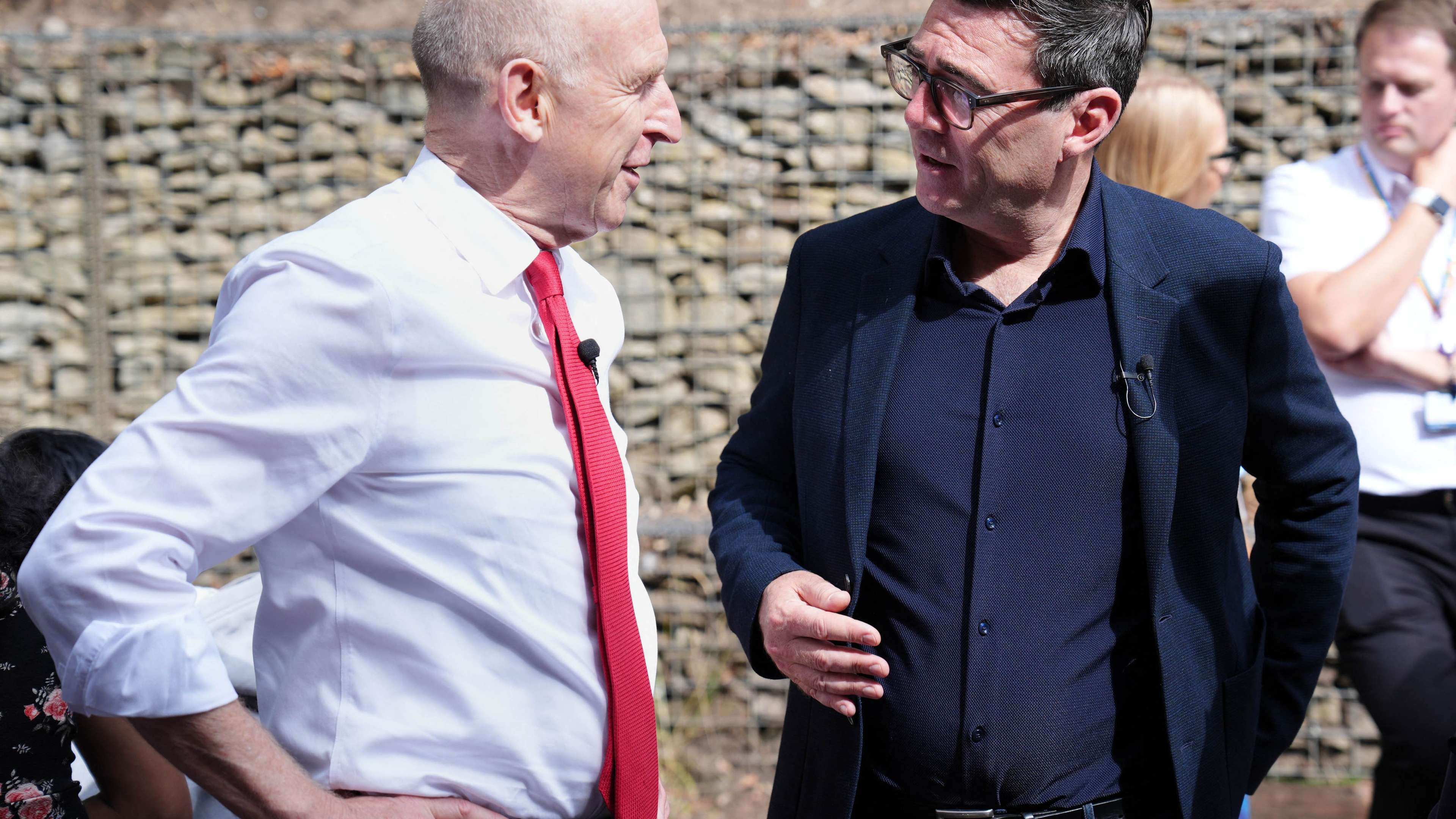

**Infantino Faces European Rejection Over FIFA’s World Cup Stake Proposal**
British Finance Minister John Healey expressed pride on Friday in the strong stand taken by English and European football authorities against FIFA’s controversial plans to sell a stake in the World Cup to private-sector investors. Healey’s comments come amidst growing opposition in Europe to FIFA President Gianni Infantino’s proposal, which many believe is on the brink of collapse.
Healey highlighted the crucial role played by the English Football Association and UEFA in leading the campaign against FIFA’s plans. In a statement to reporters, he stated, “I think FIFA’s plans are falling apart, and I am extremely proud that the English Football Association and European football’s governing body (UEFA) led the campaign against the idea of selling the World Cup.”
The proposed creation of a new company called FIFA Forward Enterprise by Infantino has sparked widespread outrage among European football federations. This new venture aims to merge FIFA’s commercial operations and tournament organization while allowing private investors to hold a stake in the company.
FIFA estimates the value of the new company to be around $20 billion, with the potential to raise over $4 billion through private investments. Despite FIFA’s assurances that it will retain full control over the company and football governance, UEFA and its member federations view the involvement of private investors in the World Cup’s commercial value as a dangerous precedent.
UEFA has threatened to boycott FIFA competitions unless the proposal is abandoned and guarantees are made to protect the integrity of football governance from private interests. The European football body insists that allowing external investors to influence the sport’s most prestigious event crosses a red line that must not be crossed.
In response, FIFA argues that the creation of FIFA Forward Enterprise is essential to provide over $10 billion to fund football development in the coming years. The federation claims that increasing funding to the 211 national federations will support the growth and sustainability of football worldwide.
The clash between FIFA and European football authorities underscores the complex power dynamics at play in the world of professional football. As the debate over the future of the World Cup continues to intensify, it remains to be seen how Infantino will navigate the growing opposition and whether compromises can be reached to address the concerns raised by UEFA and its member federations.
European Opposition to FIFA’s World Cup Stake Proposal
The backlash against FIFA’s World Cup stake proposal continues to gain momentum, with European football authorities at the forefront of the opposition. The English Football Association and UEFA have taken a strong stand against Gianni Infantino’s plans to involve private-sector investors in the World Cup, sparking a heated debate within the football community.
One of the main concerns raised by UEFA and its member federations is the potential impact of private investors on the integrity of football governance. By allowing external entities to hold a stake in the commercial value of the World Cup, there are fears that the sport could be influenced by profit-driven interests rather than upholding the principles of fair play and transparency.
Moreover, the creation of FIFA Forward Enterprise and the estimated $20 billion value associated with it have raised questions about the transparency of the organization’s financial dealings. Critics argue that opening up the World Cup to private investment could lead to conflicts of interest and compromise the autonomy of FIFA as the governing body of international football.
On the other hand, FIFA defends its proposal by emphasizing the financial benefits it could bring to football development globally. The federation argues that the $4 billion potential investment from private investors could significantly boost funding for national football federations, supporting grassroots initiatives and infrastructure projects to enhance the sport’s accessibility and sustainability.
However, UEFA’s threat to boycott FIFA competitions if the stake proposal is not abandoned reflects the deep-rooted opposition within European football to any form of commercialization that could undermine the spirit of the game. The clash between FIFA and European authorities highlights the ongoing power struggle between governing bodies and external forces seeking to capitalize on the commercial success of football.
As the debate rages on, it is clear that finding common ground will be crucial to resolving the impasse between FIFA and its European counterparts. Whether compromises can be reached to address the concerns raised by UEFA while still advancing the financial goals of FIFA remains to be seen.
In conclusion, the rejection of FIFA’s World Cup stake proposal by European football authorities underscores the delicate balance between financial incentives and the core values of the sport. The outcome of this dispute will not only shape the future of the World Cup but also set a precedent for how football governance navigates the pressures of commercialization in the modern era.