
Spain’s World Cup-winning year ends with Nations League tests
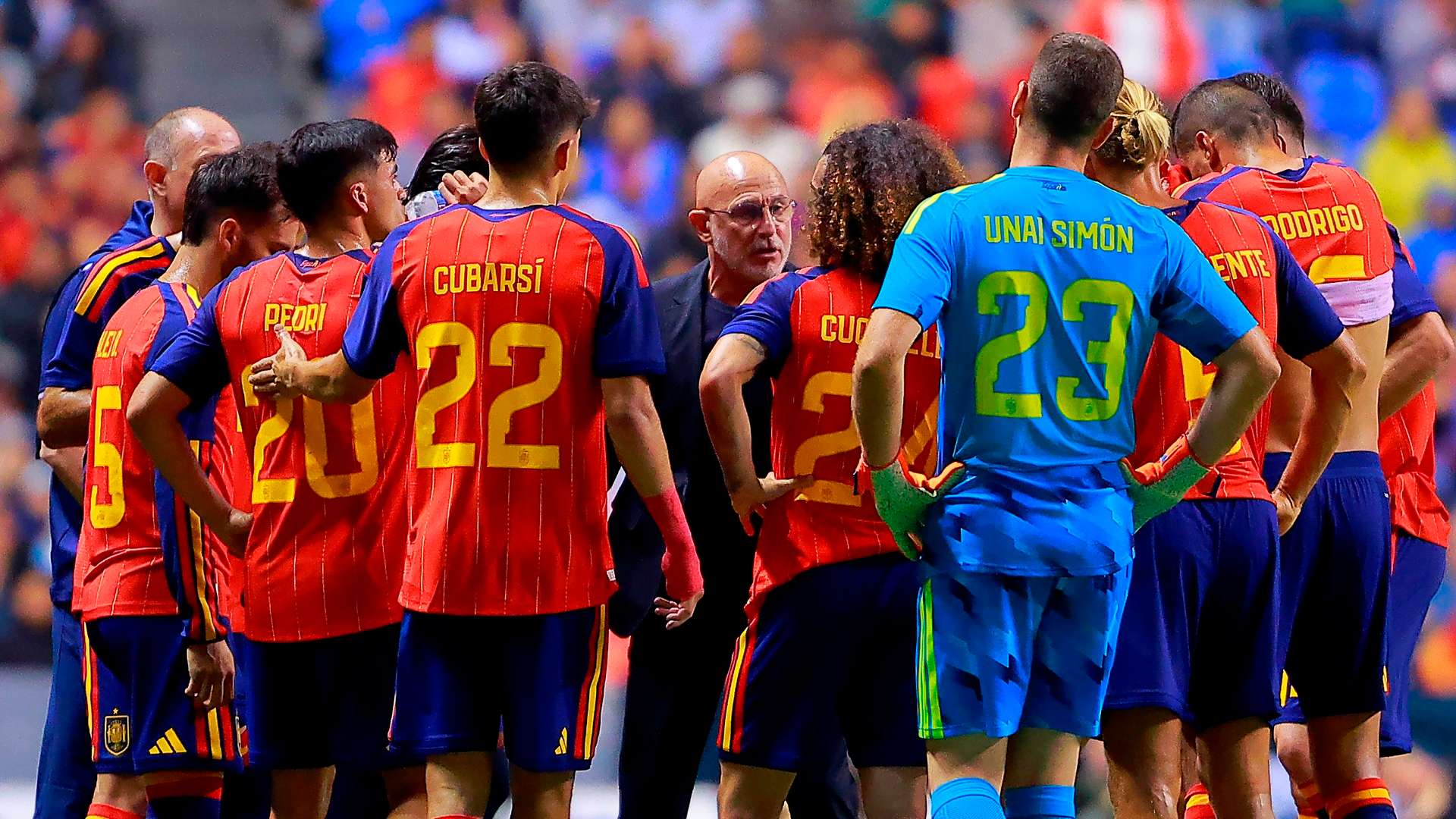
Spain are preparing for the final international window of 2026 after a year that has already secured a lasting place in the country’s football history. The reigning world champions claimed the World Cup for the second time last summer, and now Luis de la Fuente’s side have two demanding UEFA Nations League fixtures to close out the calendar.
The matches arrive at a difficult moment for Spain. The country is mourning the victims of last week’s tragic train accident, and the team’s final appearances of the year will take place against that backdrop. Spain travel to Prague to meet the Czech Republic on 13 November before hosting England at Madrid’s Metropolitano Stadium three days later.
First place is the immediate objective
Four consecutive victories have put Spain in contention to finish top of their Nations League group. The result matters beyond prestige: winning the group would give Spain the advantage of playing the second leg of a quarter-final at home. It could also help them avoid a difficult route involving leading European sides such as France, Portugal and the Netherlands.
The England match in Madrid is expected to be especially significant. It offers Spain a chance to settle the group against a major rival in front of their own supporters, while also providing a demanding test of how well the squad can maintain its standards after a triumphant World Cup campaign. Any football prediction for the fixture will need to account for both teams’ quality, Spain’s home advantage and the importance of the group standings.
According to Spanish newspaper Marca, De la Fuente’s next squad announcement is not expected to involve a large number of difficult choices. Spain’s recent performances have shown that the players remain motivated, despite having already reached the summit of international football. The challenge now is to preserve momentum while managing injuries and giving suitable options a chance to step forward.
Defensive choices open the door to new faces
Juan García and Pedro Porro are among the players expected to return after missing the previous international break. Porro’s return is particularly notable. The Tottenham right-back played an important role in Spain’s World Cup campaign, but two injuries kept him out of action for a period. He returned on 24 October in Tottenham’s win over Chelsea, giving De la Fuente a chance to assess his fitness and form before the national team reconvenes.
Spain will, however, be without Eric García and Dani Olmo because of injury. Their absences could create opportunities, especially in defence, where the coaching staff are assessing several emerging candidates. Pubill impressed at right-back against England and in Spain’s two matches with Croatia, while Fresneda started against the Czech Republic in Oviedo. Their performances offer useful flexibility as the team considers how to balance specialist full-backs with players capable of filling multiple roles.
At centre-back, Aymeric Laporte, Pau Cubarsí and Dean Huijsen are among the established options. A further call-up could provide depth and a look at a player who may contribute to Spain’s longer-term plans. Jacobo Ramón is a prominent name in that conversation. The Como defender has attracted attention in Italy and has also gained experience in the Champions League with Cesc Fàbregas’s side.
Javi Rodríguez of Celta Vigo and Jon Martín of Real Sociedad are also being monitored. Rodríguez’s versatility could appeal to a coaching staff seeking adaptable cover, while Martín offers a more imposing physical presence. The final selection will depend not only on individual form but on the type of defensive balance De la Fuente wants against two opponents with different attacking threats.
Midfield questions: form, fitness and creativity
Martín Zubimendi remains a key figure in De la Fuente’s plans. Alongside goalkeeper David Raya, he is one of only two players to have appeared in every squad list since the coach took charge. Yet his club situation adds uncertainty. Zubimendi’s playing time at Arsenal has reportedly been limited in both the Premier League and Champions League, despite starting in two League Cup matches.
Limited minutes do not automatically rule out a regular international, particularly one whose tactical understanding is valued by the coach. Still, the contrast between Zubimendi’s importance for Spain and his reduced role at club level will be closely watched. The November fixtures could offer an opportunity to see whether he can maintain his influence and match sharpness in a demanding midfield.
Pablo Barrios is another possible option, although recurring injuries have disrupted his progress since his first involvement with the senior team two years ago. His profile could help cover for Olmo, but Spain may also look for a player with more natural playmaking instincts. Isco and Fornals, both associated with Real Betis, are among the names reportedly considered, while Yeremy, Pablo García and Moleiro have also appeared on the preliminary list.
Those alternatives would give De la Fuente different ways to shape the attack. A direct replacement for Olmo may not be available, so Spain could instead share creative duties across the midfield and wide areas. That flexibility could prove valuable against England, where controlling possession and finding space between the lines may be decisive.
Spain seek a reliable centre-forward option
The forward line presents another selection challenge. Behind Mikel Oyarzabal and Ferran Torres, De la Fuente is looking for a natural striker who can lead the attack and offer a different physical presence. Spain have tried several options, including Borja Iglesias at the World Cup, Roberto Fernández and, when required, Carlos Espí.
A young Real Madrid forward could become a compelling option if he earns more regular minutes, but limited club opportunities make it difficult to judge his readiness for a larger international role. For now, the clearest change in the attacking group is the expected return of Samu Aghehowa.
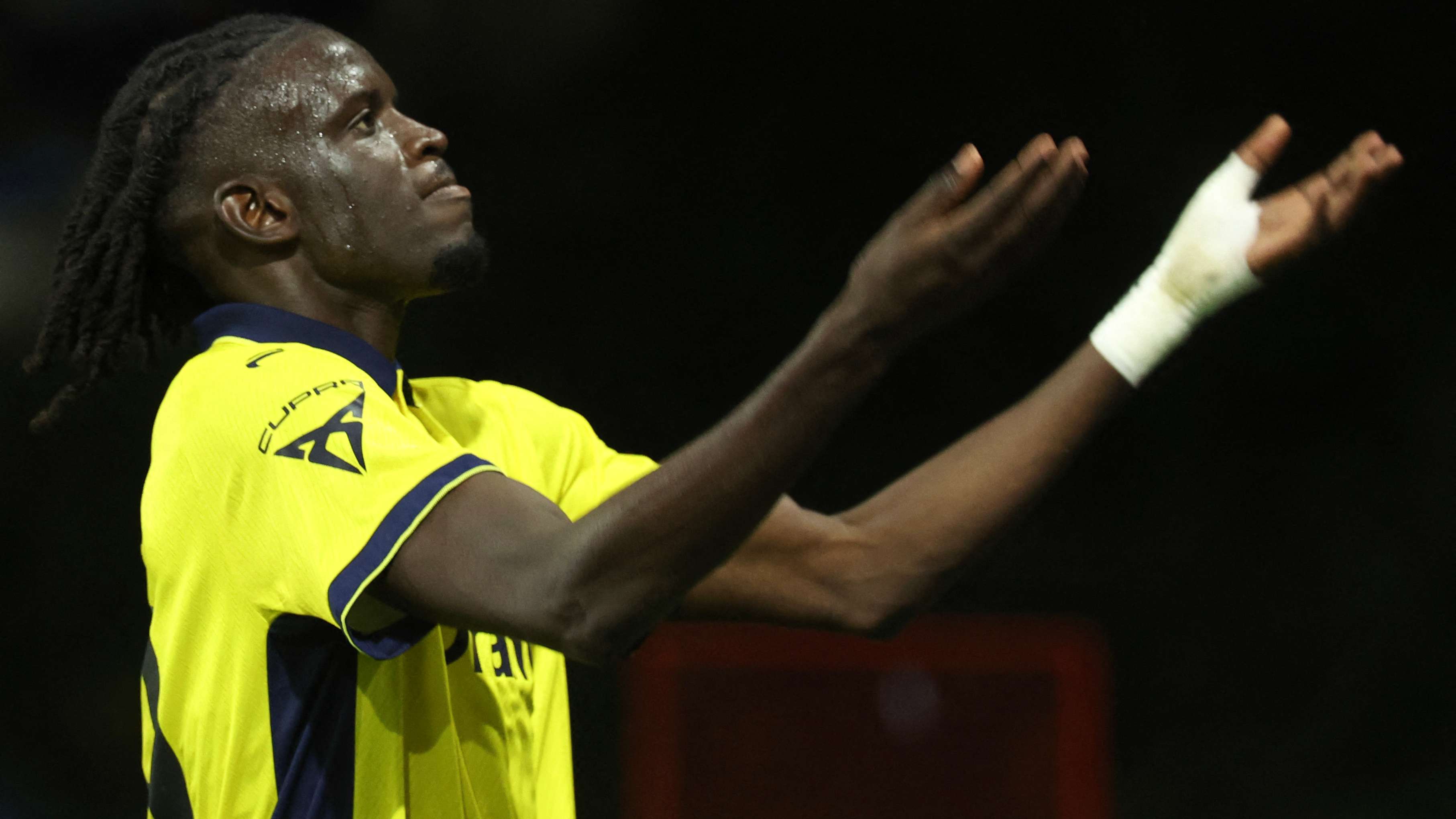
The Porto striker has yet to make a major impact for Spain, but his qualities give the squad a distinct alternative. He can provide a more direct focal point, particularly when Spain need to attack quickly, play into space or change the rhythm of a match. Against opponents who defend deep—or in a fast, open contest—having a powerful centre-forward may give Spain a useful tactical option that differs from their usual possession-led approach.
A final window with both emotion and opportunity
Spain’s November fixtures combine sporting ambition with a solemn national moment. The team will be seeking group leadership, a favourable quarter-final position and a strong finish to a remarkable year, while remembering those affected by the recent tragedy. De la Fuente must also weigh the value of continuity against the need to assess returning players and fresh candidates.
The meeting with the Czech Republic will begin the decisive stretch, but the England clash in Madrid could define Spain’s Nations League position. For supporters following team news, tactical choices and football prediction coverage, the main questions are clear: can Spain maintain their winning rhythm, who will fill the gaps left by injury, and which centre-forward can offer the right answer when the usual attacking patterns are not enough?