
China’s La Liga blackout leaves Real Madrid and Mbappé off state television
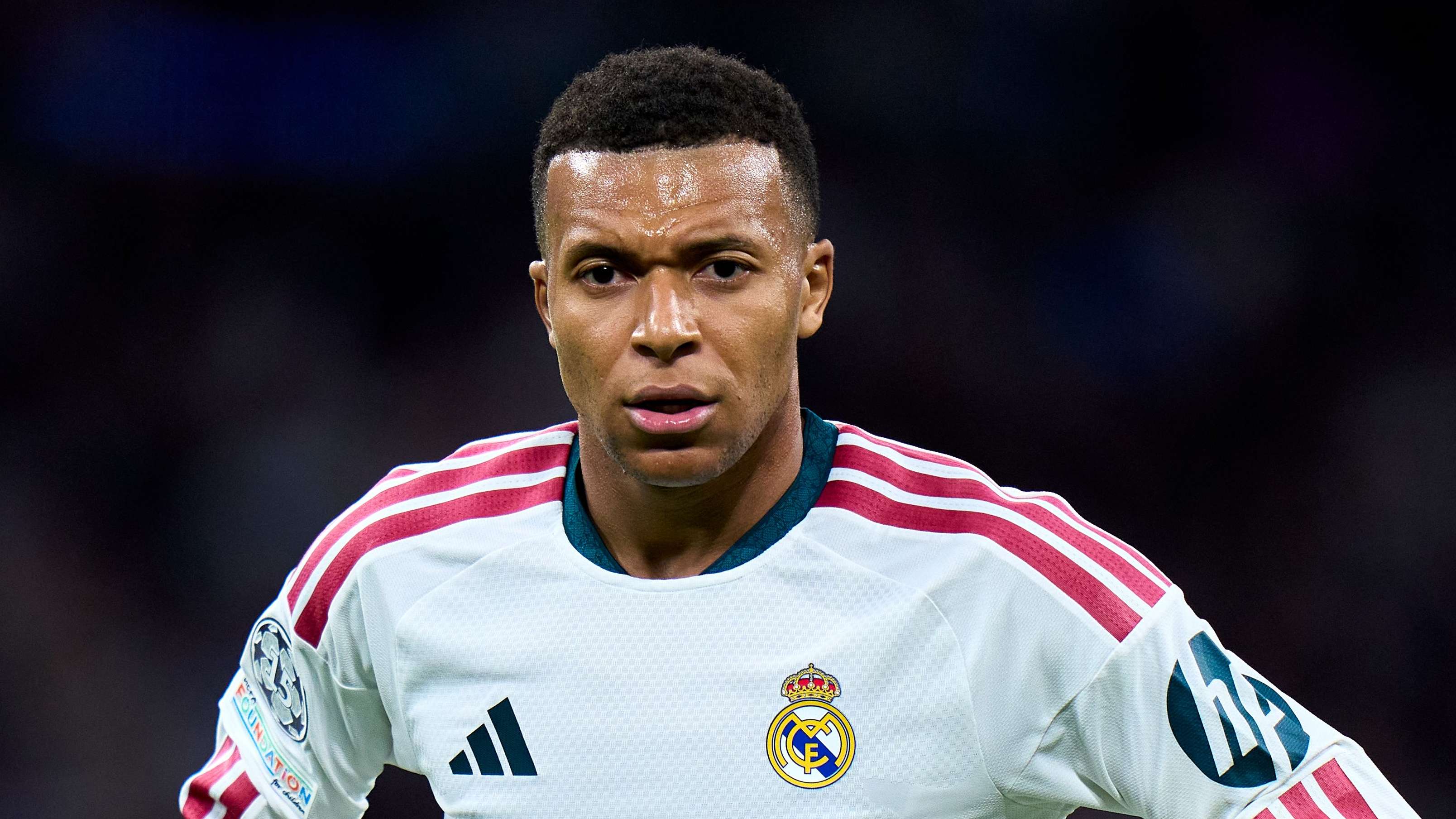
La Liga matches have disappeared from China’s state television schedule, escalating a dispute linked to comments by Real Madrid forward Kylian Mbappé. The blackout has affected coverage of several Spanish football fixtures and raised questions about whether the suspension will continue, while the country’s major digital streaming platform has maintained most of its league programming.
China Central Television (CCTV), the state broadcaster, showed no La Liga action on Saturday after removing matches from its schedule earlier in the week. The decision followed a controversy over Mbappé’s remarks about a satirical image depicting his face alongside an image associated with Chinese leader Mao Zedong. Although the French star did not name Mao directly, his comments prompted a sharp response from Chinese commercial partners and media outlets.
The situation has created an unusual split in the way Spanish football is being shown in China. CCTV has suspended its broadcasts, while Migu, La Liga’s exclusive digital partner in the country through the 2029–30 season, has continued to list nearly all scheduled games. However, Real Madrid matches appear to have been removed from both services, making the club’s fixtures difficult for Chinese supporters to access through official channels.
Multiple La Liga fixtures disappear from CCTV’s schedule
According to Spanish newspaper Marca, none of the league matches scheduled for Friday or Saturday appeared on CCTV’s channels or in its official programme listings. The affected fixtures included Villarreal against Espanyol, Levante against Atlético Madrid, Rayo Vallecano against Celta Vigo, Real Betis against Málaga and Barcelona against Alavés.
The removal extended beyond the weekend’s early games. Sunday evening and early Monday fixtures were also absent, including Getafe versus Sevilla, Racing Santander against Real Madrid, Elche versus Valencia and Athletic Bilbao against Real Sociedad. Deportivo La Coruña’s Monday meeting with Osasuna was missing as well.
CCTV has traditionally shown one or two La Liga matches per round, according to its broadcast records, giving the suspension a noticeable impact even though the broadcaster does not carry every game. Its mobile application still contains some older coverage, but the latest available match identified in its archive was Celta Vigo against Real Betis on Sunday, 25 October.
Real Madrid’s absence is particularly striking. Spanish media reports indicate that the broadcaster’s archive contains no matches involving the club from the current campaign or the 2025–26 season. That gap makes it difficult to tell whether the measures are aimed specifically at the Madrid side, Mbappé, or the wider dispute surrounding La Liga’s response.
Migu continues coverage, but Real Madrid remains missing
Migu has taken a different approach from CCTV by keeping most of its weekend La Liga schedule available. The platform holds the league’s exclusive digital rights in China from the beginning of this season until the end of the 2029–30 campaign, giving it a central role in how Chinese fans watch Spanish football.
One significant exception is the Racing Santander–Real Madrid fixture, which has not appeared in Migu’s broadcast schedule. Reports have also found no Real Madrid games from earlier rounds in the platform’s listings, despite other match results, highlights and full-game replays remaining accessible.
The absence appears to reach back into August and September, rather than being limited to the latest round. Social media users also reported that clips of Mbappé’s goals from the most recent El Clásico between Real Madrid and Barcelona had been removed from Migu. The platform’s broader coverage remains largely intact, but the missing Madrid material has fuelled speculation about the scope of the restrictions.
For supporters, the difference between a television blackout and a streaming schedule is more than a technical detail. CCTV offers broad, familiar access to selected matches, while Migu provides a digital route for fans seeking a wider range of games. If Real Madrid fixtures remain unavailable on both services, interest in the dispute could grow as the season progresses.
How the dispute began
The controversy followed a Tuesday interview in which Mbappé described one of his favourite satirical images. The design reportedly placed his face over an image associated with a Chinese leader. While the player did not explicitly identify Mao Zedong, the image was understood by many observers to reference the former leader.
Several Chinese companies subsequently ended commercial arrangements connected to Mbappé, and his advertising appearances were reportedly removed from television. CCTV then took La Liga matches off air, including games involving the French forward. The developments show how a personal comment can quickly affect sponsorship, media rights and the international visibility of a football club.
Mbappé later apologised in French, Chinese and English. La Liga also expressed regret over the situation, while its president, Javier Tebas, sent a message to China Media Group (CMG), the organisation responsible for the state broadcaster. On Wednesday, Chinese state media said it had received a message through La Liga in which the club joined the apology and expressed respect for China.
However, the announcement did not confirm that the message had resolved the issue. No timetable was provided for restoring broadcasts, and China’s Foreign Ministry avoided offering a clear answer when asked about the measures. As a result, the status of both the player-related restrictions and the wider La Liga blackout remains uncertain.
What could happen next?
At present, there is no confirmed date for CCTV to resume showing La Liga. A future prediction is difficult because the public statements so far have acknowledged the apology without outlining specific conditions for ending the suspension. The continued availability of most matches on Migu suggests that the disruption is not yet a complete shutdown of Spanish football coverage in China, but Real Madrid’s continued absence points to an unresolved issue.
The next signs to watch will be changes to CCTV’s weekly listings, the return of Madrid fixtures to Migu and any further communication between La Liga, CMG and Chinese commercial partners. Until those developments occur, fans may face inconsistent access depending on the broadcaster, platform and match involved.
The episode also highlights the wider pressures facing global football. Clubs and players increasingly operate across markets where media rights, sponsorships and public messaging are closely connected. For La Liga, restoring a stable relationship with Chinese broadcasters could be important not only for immediate match coverage, but also for the league’s long-term audience and commercial reach in one of the world’s largest sports markets.