
Barcelona’s Second-Half Pressing Sparks 2-1 Win Over Atletico Madrid
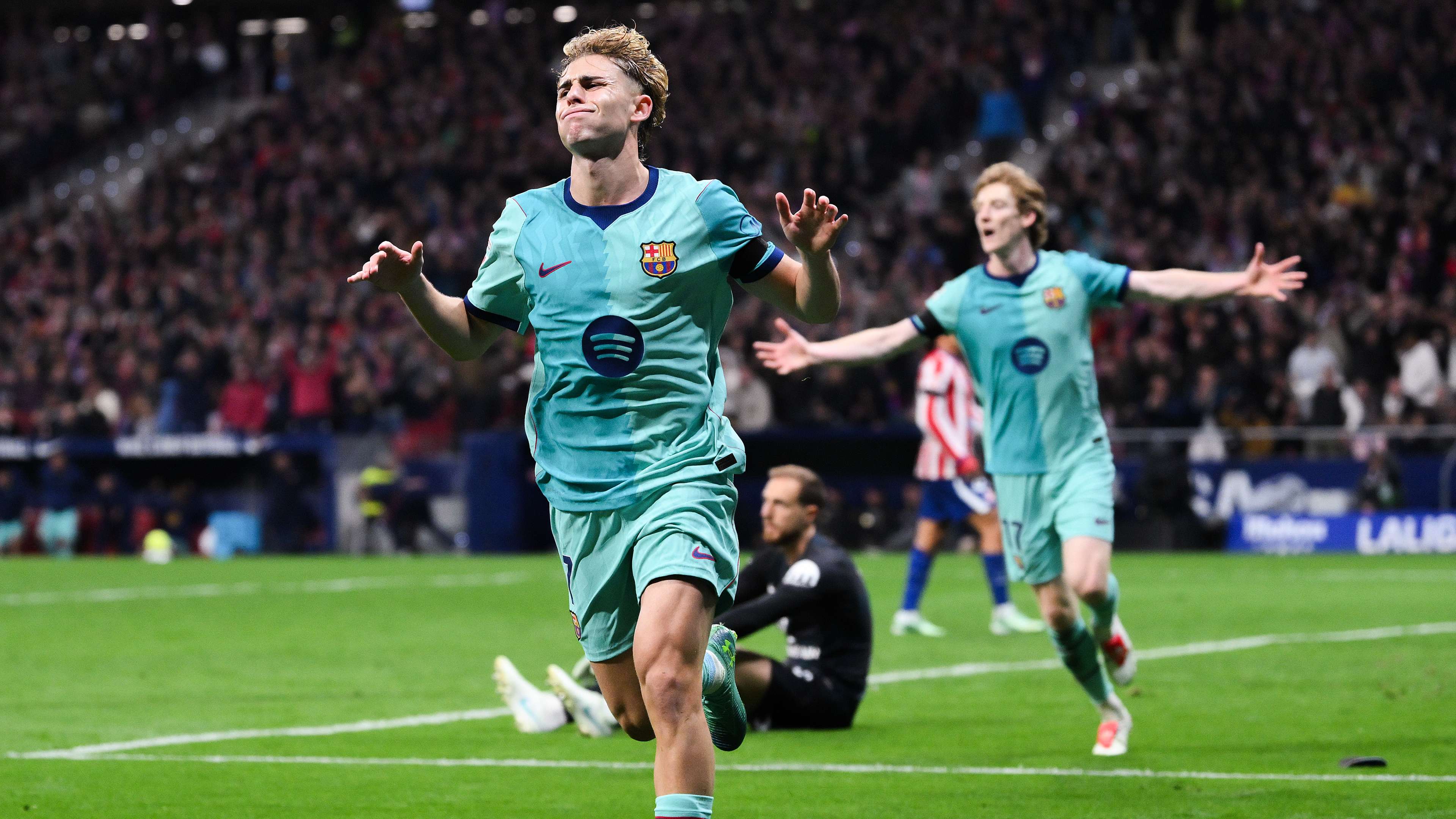
Barcelona’s hard-fought 2-1 victory over Atletico Madrid delivered more than three valuable points in the La Liga title race. It also offered a welcome boost to the team’s confidence, with young defender Pau Cubarsi highlighting how a tactical adjustment at half-time helped turn the contest in the Catalan side’s favour.
Speaking to Movistar after the match, in comments reported by Mundo Deportivo, Cubarsi acknowledged that Barcelona had struggled to impose themselves during the opening period. Atletico produced a strong first half, while the hosts were not as focused or organised as they needed to be.
“We went into the first half lacking focus a little. They put in a great first half,” Cubarsi said. The defender added that Barcelona used the interval to address the problems that had allowed their opponents to settle into the game.
Barcelona’s half-time adjustment changes the match
The key change, according to Cubarsi, was Barcelona’s approach to pressing. Rather than allowing Atletico to build comfortably, the home side needed to put more pressure on the ball higher up the pitch and coordinate that pressure more effectively.
“We had to press higher up in a better way,” he explained. “In the second half, we positioned ourselves slightly better. They did not feel as comfortable, while we had a greater presence in the attacking areas.”
That adjustment helped Barcelona disrupt Atletico’s rhythm and spend more time in dangerous areas. A high press can be risky if the players are not positioned together: one missed challenge may leave space behind the defensive line. But when the team moves as a unit, pressure can force hurried passes, win possession closer to goal and create chances before the opposition can reorganise.
Barcelona’s improved positioning after the break appeared to bring those benefits. The team became more assertive without the ball and more threatening when it regained possession. Against an Atletico side known for its organisation and ability to punish mistakes, that change in intensity was an important part of the comeback effort.
Cubarsi praises Barcelona’s response and De Jong’s contribution
The result was a test of Barcelona’s ability to respond under pressure as much as a measure of their attacking quality. Cubarsi’s comments suggest the players recognised that the first-half performance was not good enough and were able to make corrections quickly. That willingness to adapt can prove significant over a long season, when teams must find solutions against opponents with different styles.
Cubarsi also praised Frenkie de Jong’s work at right-back. De Jong is more commonly associated with a midfield role, so his contribution in a different position offered Barcelona additional flexibility during a demanding match. A player comfortable on the ball can help a team progress possession from deeper areas, while also providing another option when the opposition presses.
Versatility may become especially useful as the campaign continues. Injuries, suspensions and fixture congestion can force coaches to adjust their line-ups, and players who can perform effectively in unfamiliar roles give a squad more ways to respond. De Jong’s effort in the position was therefore a notable detail in a victory shaped by tactical changes.
Barcelona keep their attention on performances
Despite the importance of the win, Cubarsi was reluctant to focus on the points gap between Barcelona and their closest rivals. The defender instead stressed the need to maintain high standards in every match, rather than allowing the league table to become a distraction.
“If we produce good performances and give our utmost in every match, we will have a great season in La Liga,” he said.
Barcelona sit at the top of the standings on 33 points, three ahead of second-placed Real Madrid and five clear of Atletico Madrid in third. Those margins provide the Catalan club with a strong position, but they remain narrow enough that any run of dropped points could quickly change the picture.
The victory over Atletico is particularly valuable because it came against a direct rival. Matches between title contenders can influence the standings twice: the winning side gains points while also preventing a competitor from collecting them. Just as importantly, Barcelona’s ability to improve after half-time may strengthen the belief that they can manage difficult games rather than relying solely on a fast start.
What the result could mean for Barcelona’s La Liga campaign
For supporters looking ahead, the match offers useful clues but no guarantee about what comes next. Barcelona’s second-half pressing and increased presence in attack provide encouraging signs, while the uneven opening period shows there is still room to improve. Consistency across both halves will be essential if the team is to remain in the title race through the busy months ahead.
Any football prediction about the La Liga title remains uncertain at this stage of the season. Barcelona’s position at the summit gives them momentum, but Real Madrid are close behind and Atletico remain within reach. The eventual outcome is likely to depend not only on results in head-to-head fixtures, but also on how reliably each side handles matches against teams lower in the table.
For now, Barcelona can take confidence from a win built on a clear response to adversity. Cubarsi’s account of the half-time discussion points to a team that identified its weaknesses and acted on them. If the players can reproduce that sharper press, improve their positioning from the opening whistle and continue contributing across different roles, the victory over Atletico could prove an important reference point for the rest of their La Liga campaign.