
Frenkie de Jong’s Injury Could Impact FC Barcelona’s Transfer Plans
FC Barcelona is facing uncertainty in their transfer plans following Frenkie de Jong’s serious knee injury, which could have major consequences for the team. The Netherlands international suffered a tear in the medial collateral ligament of his left knee during a training session with the national team, and his recovery timeline is now in question.
De Jong’s Injury and Recovery
After undergoing medical examinations, De Jong opted for conservative treatment instead of surgery as advised by the club. While the initial expectation was for him to be match fit within two months, doubts have arisen within Barcelona over the effectiveness of the treatment halfway through the expected recovery period.
If the conservative treatment does not yield the desired results, De Jong may require surgery, which could extend his recovery by two to three months. This uncertainty has forced Barcelona to reconsider their transfer plans, as they were not initially looking to sign a new midfielder.
Impact on Transfer Plans
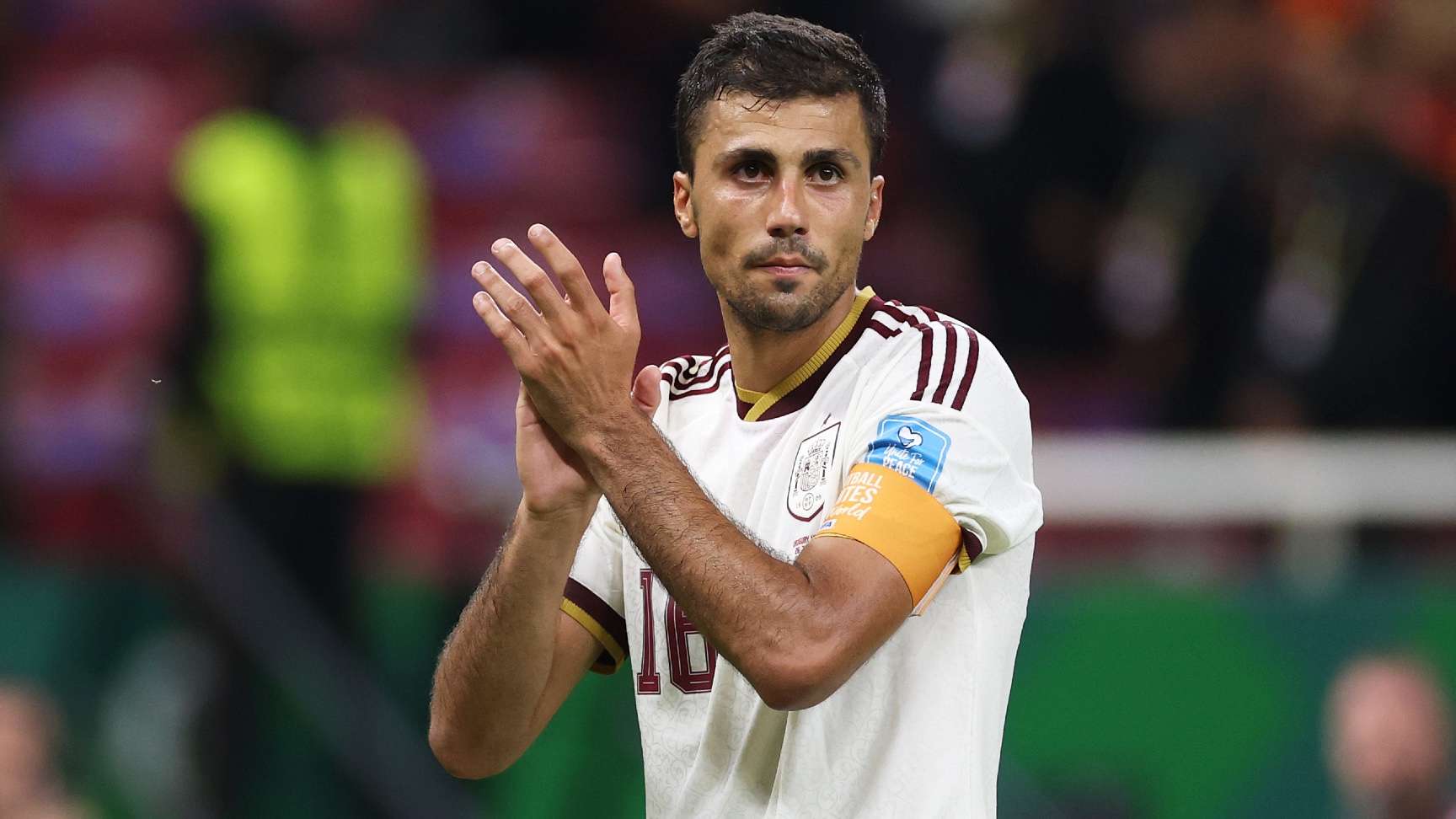
With De Jong sidelined and doubts over his physical condition in the long term, Barcelona are now considering potential replacements. One player on their radar is Rodri, the 30-year-old Manchester City midfielder who reportedly favors a move to Barça over Real Madrid.
Rodri’s attraction to Barcelona’s style of play and his existing relationships with some of the players at the club make him a desirable target for the Catalan giants. While City is asking for around €80 million for Rodri, Barcelona may be able to negotiate a lower fee in the range of €60 million to €70 million due to the midfielder having only one year left on his contract.
Future Plans and Concerns
Barcelona’s sporting director, Deco, has already started gathering information on potential midfield targets in case De Jong’s injury proves to be more problematic than anticipated. The club is keeping a close eye on the situation and is prepared to make a move in the transfer market if necessary.
While De Jong’s injury is a setback for Barcelona, it could also present an opportunity for the club to strengthen their squad with a player like Rodri. As the situation unfolds, Barcelona will need to make strategic decisions to ensure they have a competitive team for the upcoming season.
In conclusion, the uncertainty surrounding De Jong’s recovery and the potential impact on Barcelona’s transfer plans have created a challenging situation for the club. However, with careful planning and strategic decision-making, Barcelona can navigate through this difficult period and emerge stronger on the other side.
De Jong’s Importance to FC Barcelona
Frenkie de Jong’s injury not only poses a challenge for Barcelona in terms of transfer plans but also highlights his significance to the team. Since joining Barcelona in 2019, De Jong has been a key player in the midfield, known for his composure on the ball, vision, and ability to control the tempo of the game. His absence will undoubtedly be felt on the field, as he plays a crucial role in connecting the defense with the attack.
De Jong’s injury also raises questions about Barcelona’s midfield depth and the need for additional reinforcements. While Sergio Busquets and Pedri are reliable options in midfield, having another top-quality player like De Jong is essential for a team competing at the highest level in both domestic and European competitions.
Scouting and Recruitment Strategy
Barcelona’s scouting and recruitment strategy will be put to the test as they navigate the uncertainty surrounding De Jong’s injury. The club’s ability to identify suitable replacements and negotiate favorable deals will be crucial in maintaining a competitive squad. In addition to Rodri, Barcelona may explore other options in the transfer market to bolster their midfield.
Considering the financial constraints faced by many clubs due to the impact of the COVID-19 pandemic, Barcelona will need to be strategic in their approach to transfers. Seeking value for money and identifying players who fit the club’s style of play will be priorities for the Barcelona hierarchy as they look to reinforce the squad.
Long-Term Planning and Player Development
De Jong’s injury serves as a reminder of the importance of long-term planning and player development in football. Building a squad with depth and quality requires foresight and investment in both talent acquisition and youth development. Barcelona’s La Masia academy has historically been a source of talented players, and the club may look to promote from within to address De Jong’s absence.
Investing in youth players and nurturing talent from a young age can help mitigate the impact of injuries to key players and ensure continuity in the team’s performance. Barcelona’s commitment to developing young players and instilling them with the club’s philosophy is crucial in maintaining their identity and competitiveness in the long run.
Conclusion
While Frenkie de Jong’s injury has thrown a wrench in FC Barcelona’s transfer plans, it also presents an opportunity for the club to assess their squad depth and make strategic moves in the transfer market. By adapting to unforeseen circumstances and planning for the future, Barcelona can overcome this challenge and emerge stronger as a team.
As the situation evolves, Barcelona will need to remain agile and proactive in their decision-making to ensure they have a well-rounded squad capable of competing at the highest level. With the right approach and a focus on long-term success, Barcelona can navigate through this period of uncertainty and continue to strive for excellence on the pitch.