
France Football chief identifies PSG’s Ballon d’Or campaign mistake
Paris Saint-Germain may have celebrated another remarkable Champions League triumph, but the club’s players did not dominate the latest Ballon d’Or rankings. Vincent Garcia, editor-in-chief of France Football, believes one strategic misstep may help explain why: PSG promoted several candidates rather than concentrating its support behind a single standout player.
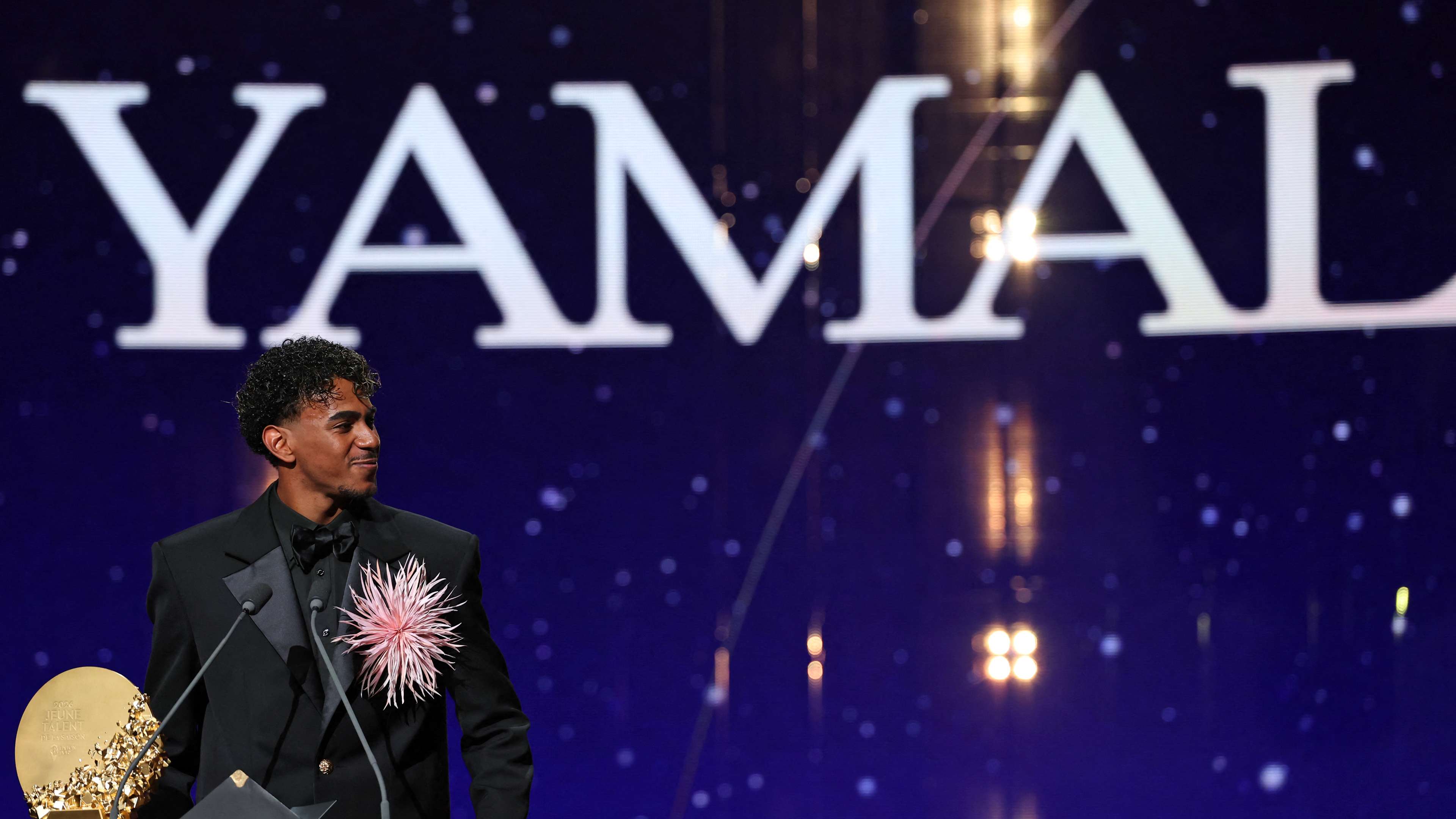
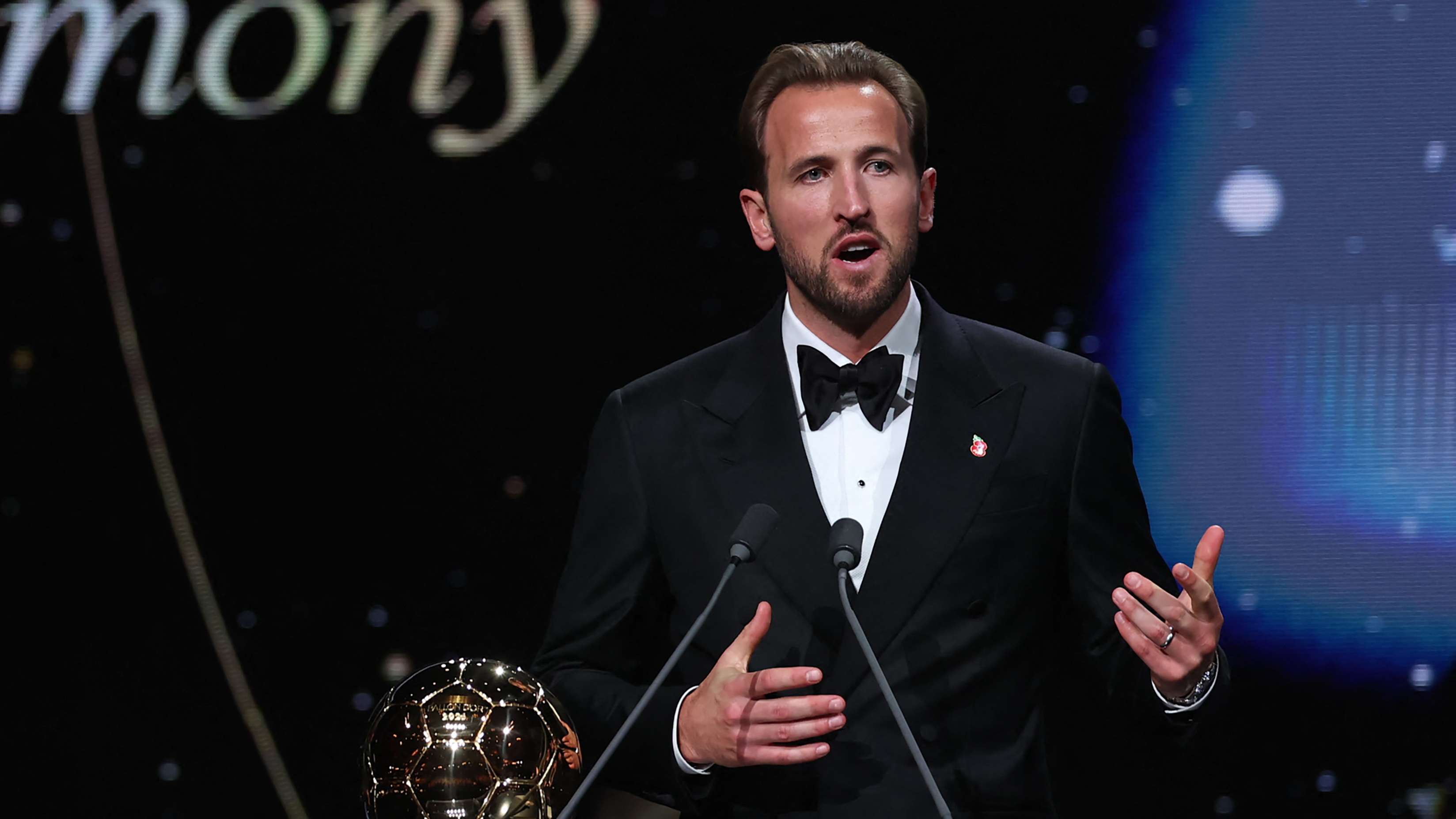
Harry Kane claimed the Ballon d’Or for the first time at Monday’s ceremony in London, finishing ahead of Kylian Mbappé of Real Madrid and Lamine Yamal of Barcelona. The result brought a major individual honour to the Bayern Munich striker, while leaving PSG with a relatively modest return despite the team’s success in Europe.
PSG’s players split the vote, Garcia suggests
Three PSG footballers finished inside the top 10, but none reached the top five. Ousmane Dembélé, the previous year’s Ballon d’Or winner, placed seventh. Khvicha Kvaratskhelia finished sixth, while Fabián Ruiz came tenth.
Speaking to French sports newspaper L’Équipe, Garcia said PSG’s public messaging around its contenders was not consistent. In his view, the club initially promoted three players and later focused on two, a campaign that may have made it harder for voters to identify a clear choice.
“I think PSG’s communication was not entirely clear,” Garcia said. He added that, if he had been responsible for the club’s approach, he would have backed one player rather than spreading attention across several candidates. His preferred choice was Dembélé, whom he described as the player PSG should have presented as its leading Ballon d’Or contender.
Garcia’s comments point to a familiar challenge in individual awards: a successful team can have several deserving stars, but their shared achievements may divide recognition. When voters are weighing a long season, a focused campaign can help establish a single narrative around a player’s contribution. Multiple candidates from the same club, by contrast, may compete for attention even when their performances complement one another.
Why a Champions League title did not guarantee a higher finish
PSG’s position in the rankings may seem surprising given the club’s achievements under manager Luis Enrique. The team defended its Champions League title, winning the most prestigious competition in European club football again last season. Yet a trophy-winning campaign does not automatically translate into a Ballon d’Or victory for any one player.
The award considers individual influence as well as team success. Voters may assess a player’s consistency, decisive performances, role in major matches and contribution across the full season. When a club’s success is widely seen as the product of collective strength, it can be difficult to separate one player from the rest.
That context may have worked against PSG’s nominees. Dembélé, Kvaratskhelia and Ruiz all featured prominently in the final top 10, but their presence together could have made it harder for one of them to emerge as the obvious choice. Garcia’s view is that PSG might have improved its chances by building a clearer campaign around Dembélé, rather than promoting several players at different stages.
His assessment is not an official explanation of how voters made their decisions. It is, however, an insight from the head of the publication that organises the Ballon d’Or, and it highlights how communication can shape the public conversation around an award. A strong season provides the foundation; a clear account of what made a player exceptional can help bring that case into sharper focus.
Garcia praises Mbappé’s Ballon d’Or campaign
While Garcia questioned PSG’s approach, he was more complimentary about Mbappé and Real Madrid. The France international finished among the leading contenders, but ultimately placed behind Kane. Garcia said Mbappé had run a strong campaign, presenting convincing arguments and communicating his case effectively to the people eligible to vote.
That praise is notable because the Ballon d’Or race is shaped not only by performances on the pitch but also by how those performances are understood. A player’s season needs to be translated into a persuasive story: what they achieved, how consistently they delivered and why their contribution stood out against the competition. Garcia’s remarks suggest that Mbappé’s campaign succeeded in making those points clear.
Kane, meanwhile, emerged as the winner after a season that persuaded voters he was the strongest candidate. His first Ballon d’Or adds a significant personal milestone to a career already defined by prolific scoring and high-level performances. The narrow result also underlines how closely contested the award was, with leading players from Europe’s biggest clubs all presenting compelling cases.
Full voting details still to come
The exact Ballon d’Or results have not yet been made public. France Football is expected to publish the complete breakdown in its next issue on Saturday, including the number of votes each player received and details of how individual voters ranked their selections.
Those figures could offer a clearer picture of whether PSG’s nominees divided support, as Garcia believes, or whether other factors proved more decisive. The voting breakdown may also show how close the contest was between Kane, Mbappé and Yamal, and whether the final ranking reflected a broad consensus or a divided electorate.
For clubs and players planning future award campaigns, the episode offers a useful lesson: success on the pitch remains essential, but clarity matters too. PSG had three players recognised among the top 10 after a historic Champions League season. Garcia’s Ballon d’Or prediction in hindsight is that a more unified message around Dembélé could have strengthened the club’s case. Whether that strategy would have changed the result is impossible to know, but the debate shows how football’s biggest individual honours are influenced by performance, perception and the stories built around both.