
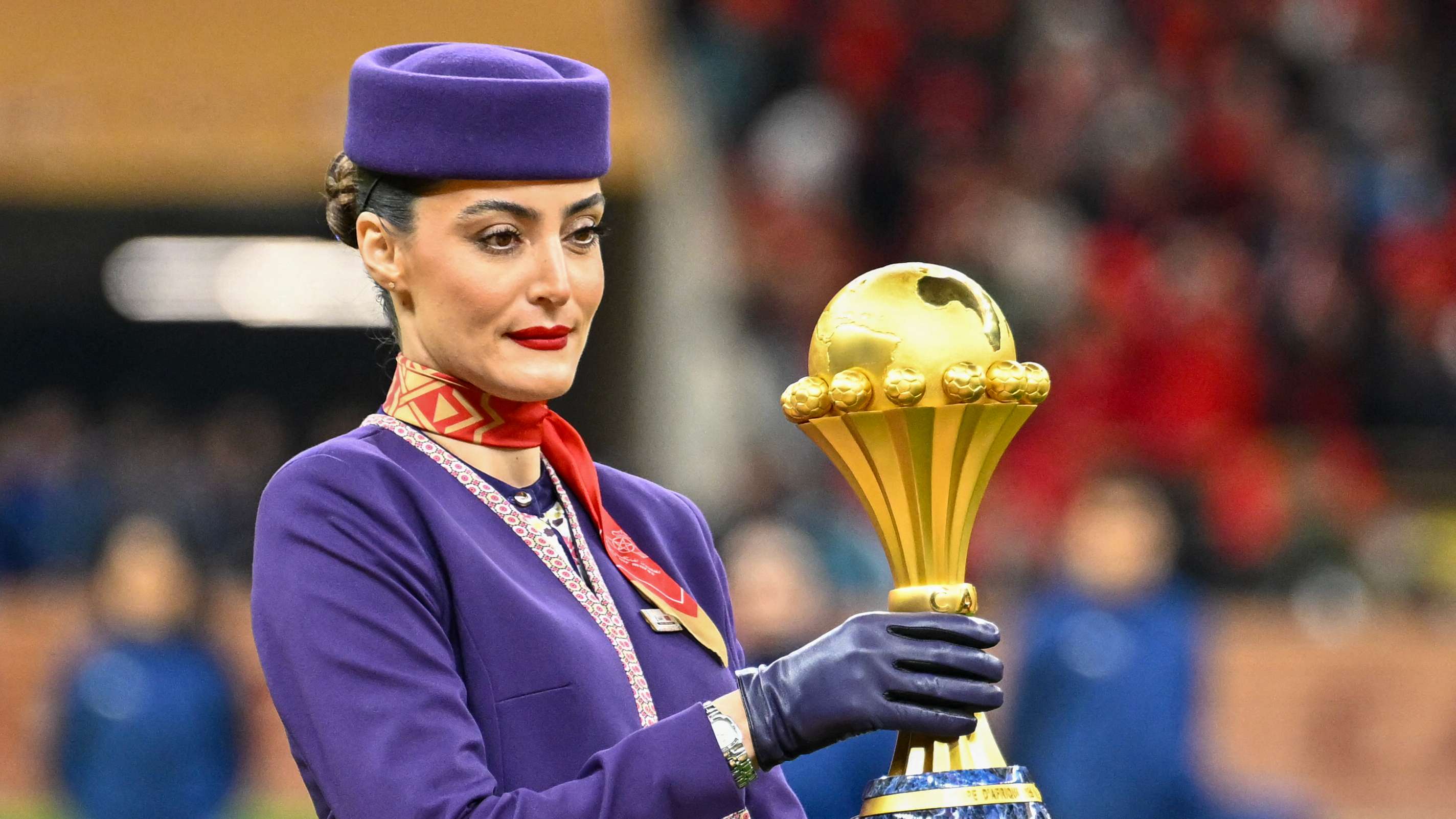

Three Nations in the Race to Host AFCON 2032: Will the Lions of Teranga Join In?
Exciting news has emerged in the world of African football as Burkina Faso, Mali, and Niger have come together to submit a joint bid to host the 2032 Africa Cup of Nations finals. This announcement, confirmed by the Niger Football Federation, marks a significant milestone in the quest to determine the host country for this prestigious event.
First Officially Declared Candidate in Six Years
The trio’s bid has received final approval from the Confederation of African Football (CAF), making them the first officially declared candidate to host the continental showpiece in six years’ time. This follows CAF’s call for interested parties to bid for the 2028, 2032, and 2036 editions of the tournament.
The Niger Federation issued a statement saying, “The Confederation of African Football has officially confirmed that the expression of interest by Burkina Faso, Mali, and Niger to organize the 2032 Africa Cup of Nations has been approved.” This signals a significant step forward for the three nations in their pursuit of hosting rights.
Will Senegal Join the Race?
While Burkina Faso, Mali, and Niger have already thrown their hats into the ring, speculation remains about whether Senegal will enter the competition. Senegal, a member of the Alliance of Sahel States (AES), had shown interest through former Sports Minister Khady Diène Gaye. Their potential involvement could further intensify the competition to host AFCON 2032.
This collective bid by Burkina Faso, Mali, and Niger represents a bold move to expand their sporting footprint and showcase their capabilities on the continental stage. Should they be successful, it would mark a historic moment for these nations as they aim to host one of the biggest football events in Africa for the first time.
Libya Enters the 2028 Race
While attention is focused on the bidding for AFCON 2032, Libya has made a surprising move by announcing their candidacy to host the 2028 tournament. This decision comes as AFCON prepares to transition to a four-year cycle from its current format.
Libya’s entry into the 2028 race has caught many by surprise, as several other countries had expressed interest without submitting official bids. Notable mentions include Egypt, a Botswana and South Africa partnership, and Ethiopia. With Morocco, the previous host, ruling themselves out of future bids, CAF is reportedly looking to persuade them back into consideration.
As the race to host upcoming editions of AFCON heats up, the football world eagerly anticipates the decision on the hosting rights for these prestigious tournaments. Stay tuned for more updates as the bidding process unfolds.
The Impact of Hosting AFCON on Nations
Hosting the Africa Cup of Nations (AFCON) can have significant implications for the host nations beyond just the sporting realm. The economic benefits of hosting such a major tournament are substantial, with opportunities for increased tourism, infrastructure development, and international visibility. Nations like Burkina Faso, Mali, and Niger are looking to leverage the hosting of AFCON 2032 as a platform to showcase their cultural heritage, attract investment, and boost their economies.
Furthermore, hosting AFCON can also have a positive impact on the development of football within the host country. By investing in sports infrastructure, facilities, and youth development programs, countries can create a lasting legacy that benefits their local footballing communities for years to come. This can lead to an increase in participation levels, the discovery of new talent, and a boost in the overall standard of football in the region.
The Competitive Landscape of African Football
With multiple nations vying to host upcoming editions of AFCON, the competitive landscape of African football is evolving. The increased interest and investment in hosting major tournaments reflect the continent’s growing influence in the global footballing landscape. As countries like Burkina Faso, Mali, Niger, and potentially Senegal compete for hosting rights, the level of competition both on and off the field is set to rise.
These bidding processes also present an opportunity for nations to collaborate and build partnerships that can benefit the entire region. By working together to host major sporting events, African countries can foster greater unity, cultural exchange, and mutual support. This spirit of collaboration could pave the way for more joint bids in the future, creating a stronger and more interconnected African football community.
The Future of AFCON and African Football
As AFCON continues to grow in prominence and popularity, the tournament’s future looks bright. The transition to a four-year cycle is set to provide more opportunities for countries to showcase their hosting capabilities and for fans to enjoy the spectacle of African football on a more regular basis. With the potential inclusion of new host nations like Burkina Faso, Mali, Niger, Senegal, and Libya, AFCON is poised to reach even greater heights in the coming years.
Overall, the bidding process for AFCON 2032 and beyond signals a new era of opportunity and growth for African football. As nations vie for the chance to host one of the continent’s premier sporting events, the footballing landscape in Africa is set to be transformed, bringing new challenges and opportunities for all involved. Stay tuned as the race to host AFCON heats up and new developments unfold in the world of African football.