
Saudi Arabia’s Road to the 27th Gulf Cup: A Critical Test for the National Football Team
The upcoming 27th Gulf Cup marks a pivotal moment for Saudi Arabian football, as the national team embarks on a journey filled with anticipation, hope, and significant expectations. With a storied history in regional competitions, Saudi Arabia’s participation in this tournament is far from a routine appearance. Instead, it serves as a crucial benchmark, offering insights into the team’s current form, strategic direction, and prospects ahead of even more demanding challenges on the horizon.
Context and Significance of the Gulf Cup for Saudi Football
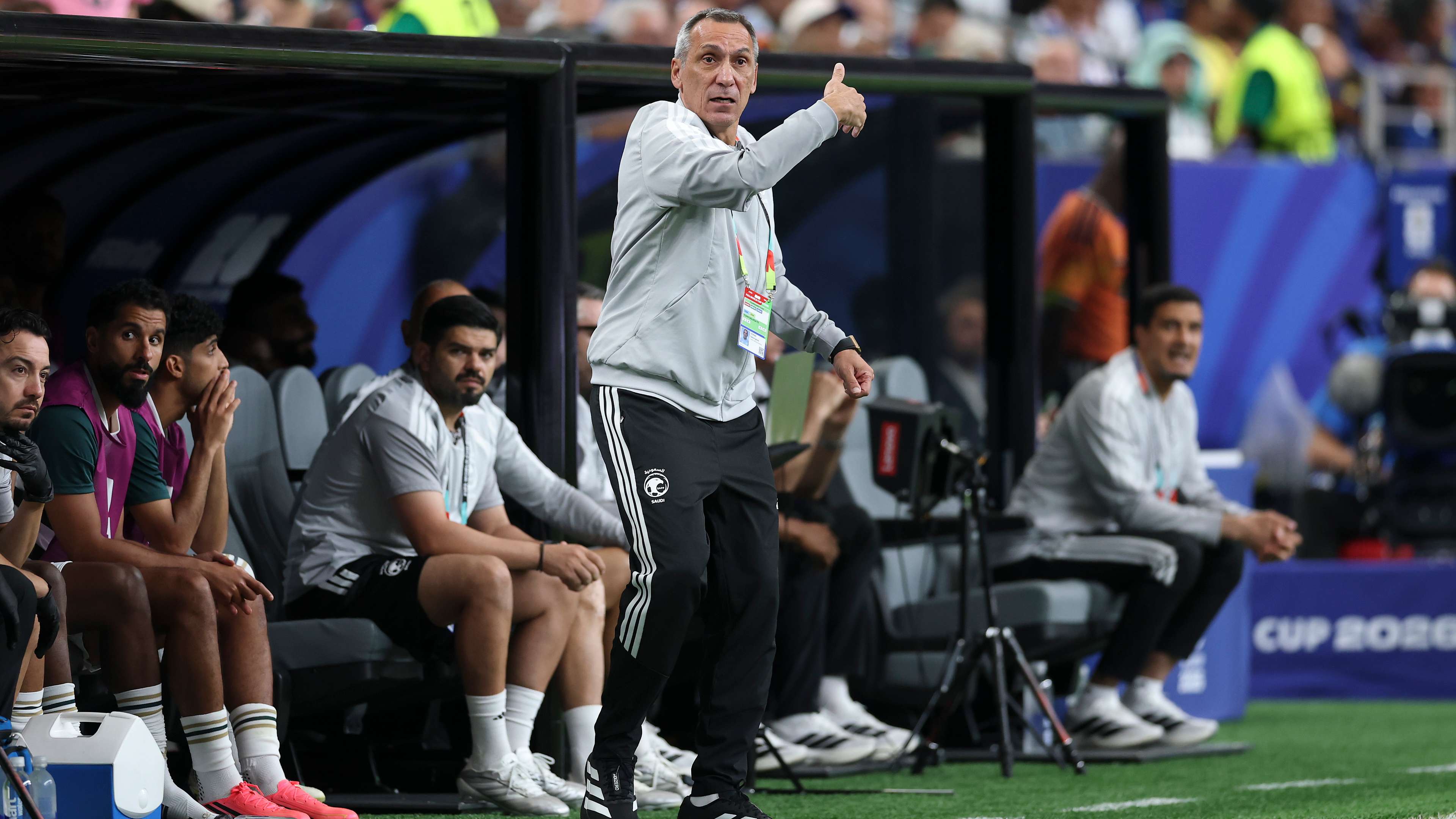
The Gulf Cup, a biennial regional tournament featuring teams from the Arabian Gulf, has long been a stage for regional bragging rights and national pride. For Saudi Arabia, a nation with a rich football heritage, success in this competition is both a matter of prestige and a vital indicator of progress. However, this edition transcends mere victory; it is a litmus test for the team’s evolution under head coach Georgios Donis, whose tenure has been closely scrutinized by fans, analysts, and stakeholders alike.
In recent years, Saudi football has faced a mixture of highs and lows. While the nation has invested heavily in infrastructure, youth development, and attracting foreign talent, results on the pitch have sometimes fallen short of expectations. The 27th Gulf Cup offers a unique opportunity for the team to demonstrate tangible progress—showcasing tactical improvements, resilience, and a cohesive playing style that resonates with fans eager for a resurgence.
The Expectations and Fan Sentiment
For Saudi football supporters, the Gulf Cup is more than just a tournament—it is an emotional barometer of national pride. Expectations this year are tempered with a cautious optimism. Fans hope to see a team that not only wins matches but also plays with confidence, character, and a clear tactical identity. Recent competitions have left many questioning whether the team can develop a consistent style of play, adapt to different opponents, and display mental toughness in high-pressure situations.
There is a growing consensus that this tournament could serve as a critical stepping stone towards the Asian Cup, scheduled to take place in a few months. Success here could bolster team morale, reinforce tactical concepts, and help players build chemistry ahead of the continent’s premier competition. Conversely, poor results or uninspiring performances might deepen existing doubts and intensify calls for strategic adjustments.
Analyzing the Team’s Strategy and Style of Play
One of the central themes surrounding Saudi Arabia’s participation in the Gulf Cup is the question of whether Georgios Donis has successfully molded a cohesive and convincing team. Donis, an experienced Greek coach, arrived with a clear vision—to implement an attacking, possession-based style that maximizes the team’s technical capabilities.
Initial signs suggest that the team is still in the process of translating this vision into consistent performances. Critics point to lapses in defensive organization, lack of fluidity in attack, and occasional tactical rigidity. However, there are also glimpses of promising development—players demonstrating improved decision-making, increased confidence in possession, and greater tactical discipline.
For the prediction-minded football analyst, the key is to assess whether the team can strike a balance between offensive creativity and defensive solidity. Success in the Gulf Cup hinges on this equilibrium, as well as the ability of the players to adapt to different match scenarios—whether facing a resilient opponent or chasing a result.
Match-by-Match Expectations and Predictions
As the tournament unfolds, each game will be scrutinized not only for its outcome but also for the style of play and team resilience. Experts predict that Saudi Arabia’s initial matches could serve as a barometer for the team’s tactical readiness and mental toughness. A strong showing against lower-ranked teams might boost confidence, but the real test will come when facing tougher opponents in the knockout stages.
In terms of prediction, many football analysts believe that Saudi Arabia has the potential to reach the semifinals, provided the team maintains consistency and capitalizes on its attacking prowess. However, a failure to improve defensive organization or to adapt tactically could result in an early exit, fueling doubts ahead of the Asian Cup.
The Broader Implications for Saudi Football
The outcome of the 27th Gulf Cup will have repercussions beyond the immediate tournament. A convincing performance could serve as proof that the national team is on the right trajectory—a team capable of challenging regional rivals and making an impact at the Asian level. Conversely, setbacks could prompt a reevaluation of coaching strategies, player development programs, and tactical approaches.
Moreover, the tournament offers a chance to assess emerging talents and new formations, providing insights into the future direction of Saudi football. As the nation aims to qualify for the FIFA World Cup and improve its continental standing, the Gulf Cup becomes an essential stepping stone—both a predictor and a catalyst for long-term success.
Conclusion: A Crucial Chapter in Saudi Football’s Evolution
The 27th Gulf Cup represents more than just a regional competition for Saudi Arabia—it is a pivotal chapter in the nation’s football story. With expectations high and the stakes even higher, the team’s performance will be a reflection of its strategic planning, player development, and collective character.
For fans and analysts alike, this tournament offers a fascinating glimpse into whether Saudi Arabia can transform promise into results, style into substance, and potential into achievement. As the nation’s football community eagerly watches each match, the overarching question remains: can this Gulf Cup be a turning point that reinvigorates Saudi football and sets the stage for greater accomplishments in the near future?