
Zlatan Ibrahimovic Criticizes Ronald Koeman’s Tactics After Netherlands’ World Cup Exit
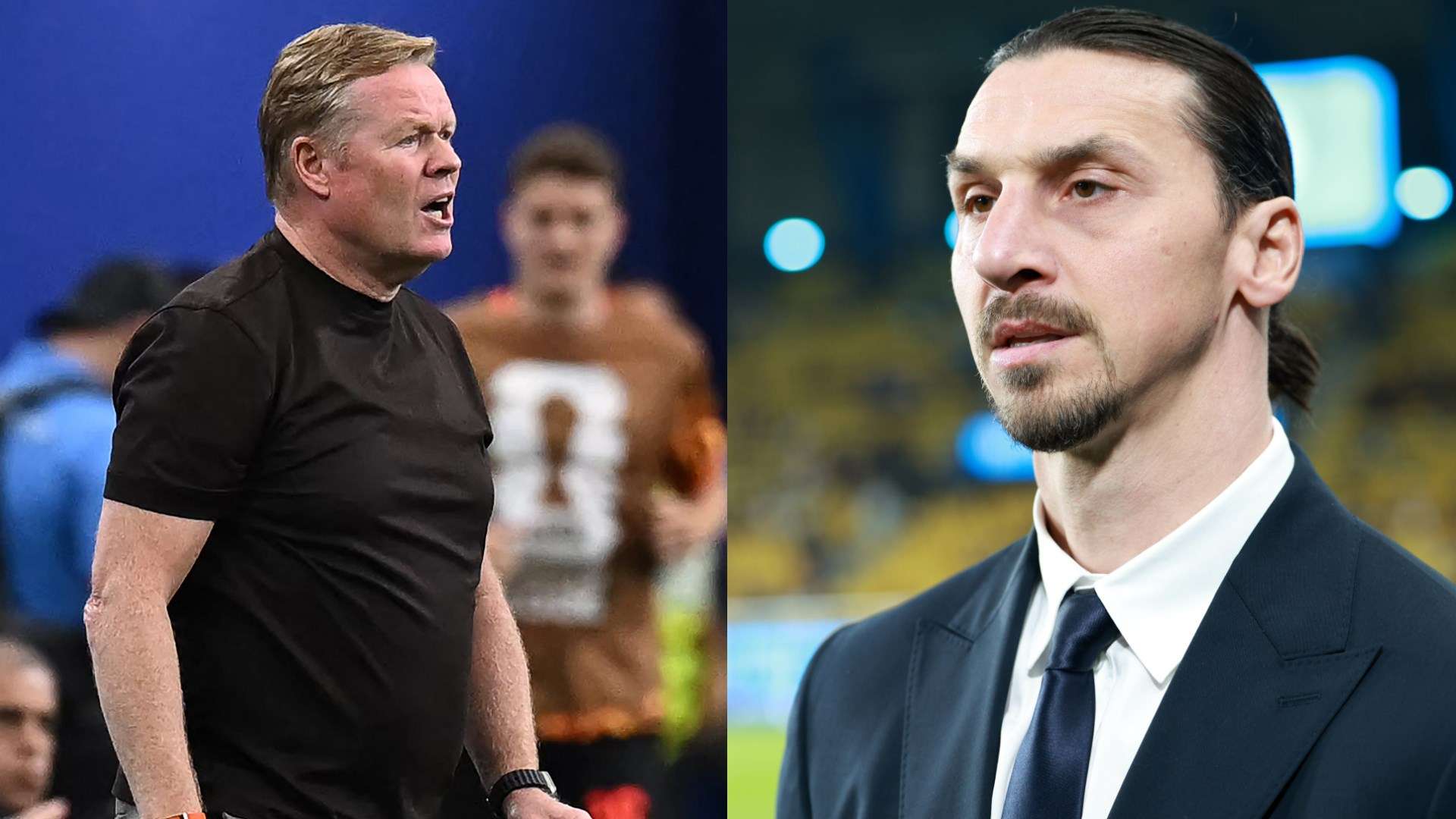
Legendary football striker Zlatan Ibrahimovic recently made headlines with his scathing assessment of Ronald Koeman’s tactics following the Netherlands’ shocking World Cup elimination at the hands of Morocco. Ibrahimovic, who played under Koeman during his time at Ajax, did not hold back in his criticism, accusing the Dutch manager of betraying the nation’s traditional footballing philosophy.
Ibrahimovic’s Accusations
In a recent interview, Ibrahimovic expressed his disappointment with Koeman’s decision to adopt a defensive setup against Morocco. The seasoned striker argued that this approach went against the attacking style of play that the Netherlands is known for, ultimately leading to their downfall in Monterrey. Ibrahimovic’s comments have sparked a debate among football fans and experts alike, with many questioning Koeman’s tactics and the team’s performance in the crucial match.
Koeman’s Response
So far, Koeman has not directly addressed Ibrahimovic’s accusations. However, the Dutch manager has defended his tactical choices, stating that he believed the defensive approach was necessary to counter Morocco’s strong attacking lineup. Koeman has faced criticism from both fans and pundits for his conservative tactics, with many arguing that the Netherlands missed out on an opportunity to showcase their attacking prowess on the world stage.
Impact on Dutch Football
The Netherlands’ early exit from the World Cup has raised questions about the future of Dutch football and the direction that the national team is heading in. With a rich history of attacking football and a legacy of producing top-class talent, many fans are concerned that the team’s recent performances do not reflect the nation’s footballing philosophy. The debate over Koeman’s tactics and Ibrahimovic’s criticism has highlighted the need for a reevaluation of the team’s strategy and style of play moving forward.
Looking Ahead
As the football world reacts to Ibrahimovic’s comments and the Netherlands’ disappointing World Cup campaign, all eyes are now on Koeman and the Dutch national team. The pressure is on for Koeman to address the criticism and make changes to ensure that the team regains its identity and competitive edge. With the European Championships on the horizon, the Netherlands will need to find a balance between defensive solidity and attacking flair to compete at the highest level.
Conclusion
Zlatan Ibrahimovic’s critique of Ronald Koeman’s tactics has sparked a heated debate within the football community. As fans and experts analyze the Netherlands’ World Cup exit and the implications for Dutch football, the pressure is mounting on Koeman to address the shortcomings of his team. With the spotlight firmly on the Dutch national team, all eyes will be on how they respond to the criticism and strive to reclaim their place among football’s elite.
Zlatan Ibrahimovic’s Legacy in Football
Known for his strong personality both on and off the field, Zlatan Ibrahimovic’s criticism of Ronald Koeman’s tactics is just another example of his outspoken nature. Throughout his illustrious career, Ibrahimovic has played for top clubs across Europe, including Barcelona, Paris Saint-Germain, Manchester United, and AC Milan. His experience and success at the highest levels of the game give weight to his opinions on football tactics and strategies.
The Evolution of Dutch Football
Historically, the Netherlands has been known for playing an attractive, attacking brand of football that prioritizes creativity and technical skill. This style of play, often referred to as “Total Football,” was popularized by Dutch legends like Johan Cruyff and Marco van Basten. However, in recent years, there has been a shift towards a more pragmatic approach in Dutch football, with coaches like Koeman opting for a more defensive mindset. The clash between tradition and modern tactics has created a divide among fans and experts, leading to debates about the future direction of Dutch football.
The Role of Tactics in Football
Tactics play a crucial role in the outcome of football matches, as coaches must balance defensive solidity with attacking creativity to achieve success. While some teams thrive on a more defensive approach, others, like the Netherlands, are traditionally known for their attacking flair. Finding the right balance between defense and attack is a constant challenge for coaches, particularly in high-stakes competitions like the World Cup. Koeman’s decision to prioritize defense against Morocco may have been an attempt to neutralize the opposition’s strengths, but it also came at the expense of the Dutch team’s attacking identity.
The Future of the Dutch National Team
Following their World Cup exit, the Dutch national team faces a period of reflection and rebuilding. With talented players like Frenkie de Jong, Matthijs de Ligt, and Memphis Depay in their ranks, there is no shortage of potential for success. However, finding the right balance between defensive solidity and attacking prowess will be crucial for the team’s future prospects. Koeman will need to address the criticisms leveled against him, reassess his tactical approach, and work towards reestablishing the Netherlands as a force to be reckoned with in international football.
The Importance of Constructive Criticism in Football
While Ibrahimovic’s comments may have been harsh, they have sparked important conversations about the state of Dutch football and the role of tactics in the modern game. Constructive criticism from experienced players and pundits can provide valuable insights for coaches and players looking to improve and evolve. By embracing feedback and being open to change, teams can adapt their strategies to stay competitive and meet the demands of modern football.
In conclusion, the fallout from the Netherlands’ World Cup exit and Ibrahimovic’s criticism of Koeman’s tactics highlight the complexities of coaching at the highest level of football. As the Dutch national team looks towards the future, they must navigate the tension between tradition and innovation to find success on the international stage.