
Mbappé Controversy Raises Questions About Football’s Relationship With China
A dispute involving Kylian Mbappé, Real Madrid and China has become more than a headline about a football star. It has revived a difficult question for international sport: how quickly can a personal social-media controversy turn into a costly clash between a league, its commercial partners and one of the world’s largest markets?
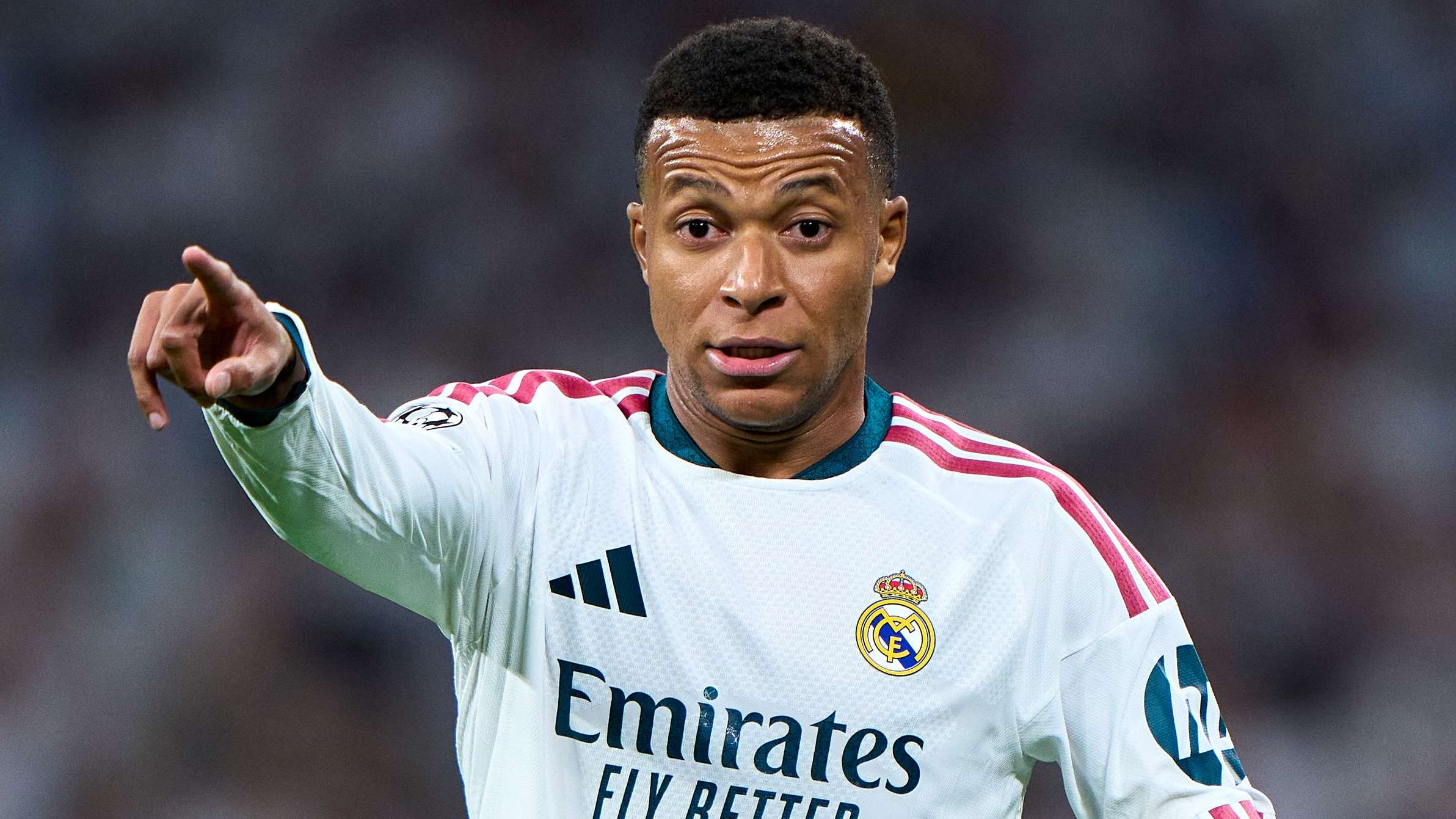
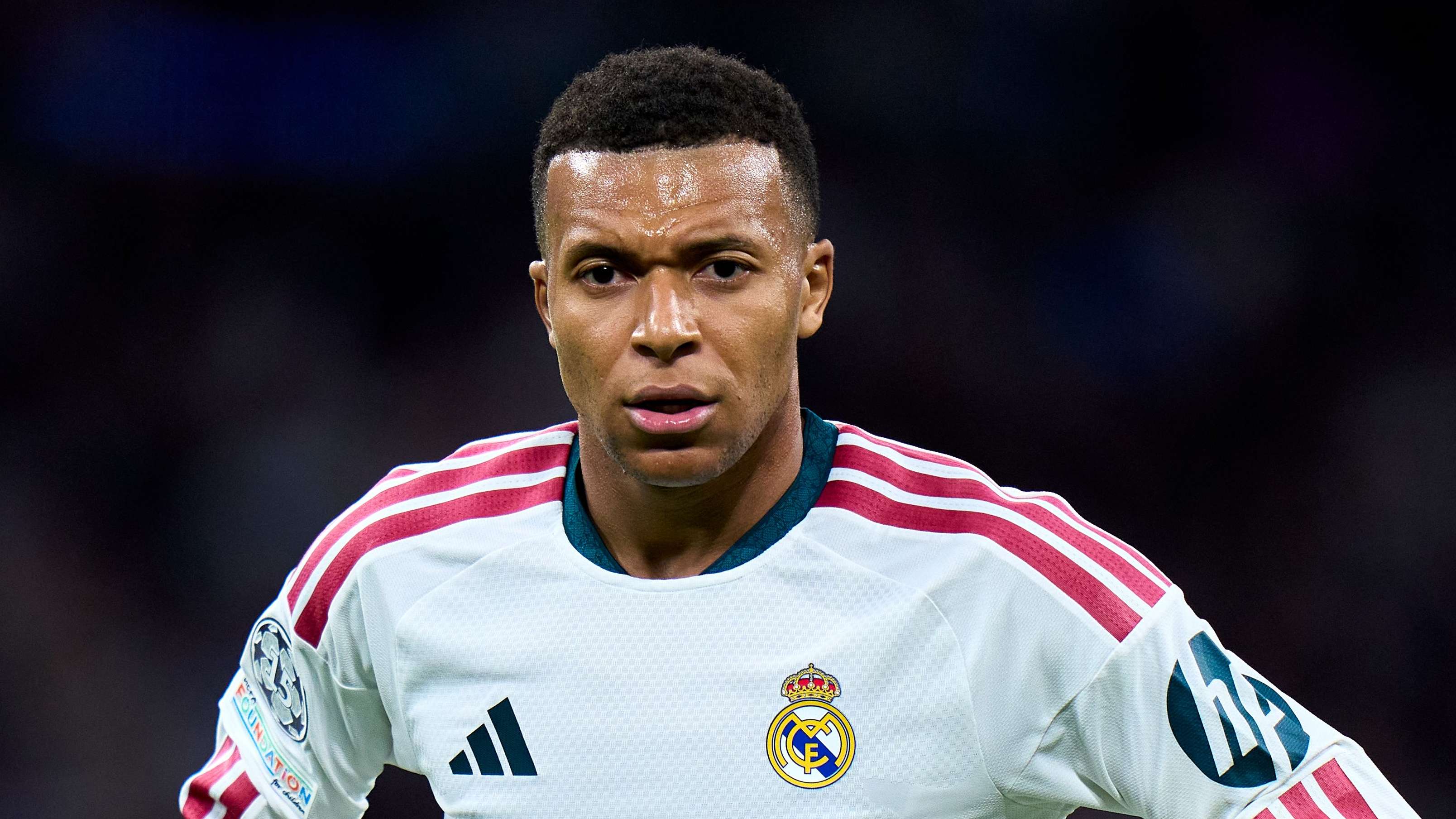
According to Sport, Chinese state television stopped broadcasting La Liga matches after Mbappé reacted to a satirical image that placed his face over a photograph of Chinese leader Mao Zedong. The French forward did not explicitly name Mao, but the image and his response were reportedly viewed as offensive by Chinese audiences and authorities.
Mbappé, La Liga and Real Madrid moved quickly to issue apologies, an apparent effort to contain the fallout before it developed into a wider commercial crisis. The episode has also prompted comparisons with the National Basketball Association’s dispute with China in 2019—a reminder that, in modern sport, a social-media post can have consequences far beyond the pitch or court.
How a Social-Media Reaction Became a Football Issue
For global sports organisations, China is not simply another broadcast territory. It is a major audience, a destination for sponsorship investment and a market where international leagues have spent years building recognition. A loss of television coverage or brand partnerships can therefore affect more than a single club or athlete.
That context helps explain the urgency surrounding the response to the Mbappé controversy. A television blackout can reduce the visibility of a competition, while sponsors may reassess whether their association with a player or league remains commercially suitable. If those decisions happen together, the impact can spread across football’s wider business network.
There is also a difficult balance for sports organisations. They must respond to local concerns and protect commercial relationships, while navigating the expectations of players, supporters and international audiences. The choices made in the first days of a controversy can influence whether it remains a short-lived dispute or becomes a prolonged standoff.
The NBA’s 2019 China Dispute Offers a Warning
The closest recent precedent came in October 2019, when Daryl Morey, then general manager of the Houston Rockets, posted a message supporting pro-democracy protests in Hong Kong. “Fight for freedom. Stand with Hong Kong,” he wrote on Twitter, now known as X. Morey deleted the post soon afterwards, but the reaction was already gathering pace.
The Chinese Basketball Association, then led by former Rockets player Yao Ming, suspended its cooperation with the team. The Rockets had a particularly strong following in China because of Yao’s years in Houston, making the decision especially significant. Chinese state television subsequently removed NBA games from its schedule, while several companies suspended or reconsidered commercial arrangements.
The dispute quickly became a league-wide problem rather than a matter involving only Morey and the Rockets. Broadcasters, sponsors, players and teams all faced uncertainty as the NBA’s relationship with one of its most important international markets deteriorated.
Hundreds of Millions of Dollars at Stake
The financial consequences were substantial. In February 2020, NBA commissioner Adam Silver said the conflict could cost the league hundreds of millions of dollars, while estimating that the total would remain below $400 million. The NBA had already lost about $200 million during 2019 as the dispute unfolded.
Silver defended Morey’s right to express his views, even as the league confronted the commercial damage. That response highlighted a tension that sports organisations continue to face: protecting freedom of expression can carry financial risks, while attempts to limit or distance themselves from a player’s comments can create a different kind of criticism.
The effects reached individual teams as well. The Houston Rockets reportedly lost around $20 million after commercial agreements were cancelled, and the league lowered its expectations for salary-cap growth amid the wider financial uncertainty. The episode demonstrated how international revenue can influence decisions that eventually affect clubs and players across an entire competition.
Why the Broadcast Boycott Mattered
Television coverage was one of the most visible signs of the breakdown. Chinese state television made a limited exception by showing one game from the 2020 NBA Finals between the Los Angeles Lakers and Miami Heat, but regular broadcasts did not return until 2022.
That gap showed that repairing a relationship can take much longer than issuing an apology. Even when a league wants to restore normal business, broadcasters and commercial partners may take time to return. Meanwhile, the absence of regular coverage can weaken audience habits and reduce the exposure that sponsors value.
The NBA’s experience is not a direct prediction of what will happen to La Liga or Mbappé. The circumstances differ, and the eventual response will depend on decisions by broadcasters, sponsors and the parties involved. Still, the basketball dispute offers a useful case study in how quickly a controversy can spread—and how slowly the effects may fade.
La Liga and Mbappé Face a Test of Trust
Reports that Chinese brands have ended agreements with Mbappé suggest that the consequences may extend beyond league broadcasts. For a high-profile player, commercial partnerships are closely connected to public image, and brands may act rapidly when they believe a controversy could affect their reputation or reach among consumers.
La Liga also has a broader interest in keeping its matches accessible to international viewers. Real Madrid, meanwhile, operates as a global club whose commercial profile is supported by its players and worldwide fan base. A dispute involving one prominent figure can therefore become a concern for several organisations at once.
The next phase will depend on whether apologies and communication are enough to rebuild confidence. Restoring broadcast access, if it has been interrupted, may be only one step; sponsors and audiences may also need reassurance that the issue has been addressed. Clear communication and consistent engagement are likely to matter more than a single public statement.
What the Controversy Means for Football’s Future
The Mbappé episode underlines how modern football operates across borders. Players are not only athletes: they are public figures with global audiences, commercial partners and influence that can reach well beyond sport. In that environment, a post or reaction can be interpreted differently across cultures and become a business issue almost immediately.
For leagues, the challenge is to prepare for that reality without treating every disagreement as a crisis. Strong communication plans, cultural awareness and clear processes for responding to controversy can help organisations avoid confusion when pressure rises. They cannot guarantee that every market will agree with a player or league, but they can make the response more considered.
The NBA eventually began rebuilding its relationship with China, with the Houston Rockets and Dallas Mavericks playing pre-season games in Macau in October as a sign of renewed engagement. That recovery took years, not days. Whether the current football controversy follows a similar path remains uncertain, but the precedent offers a sobering prediction: when sport and politics collide, the financial and reputational consequences can outlast the original moment by a long way.