
Zinedine Zidane Documentary Reveals Shocking Revelation About France’s 1998 World Cup Victory
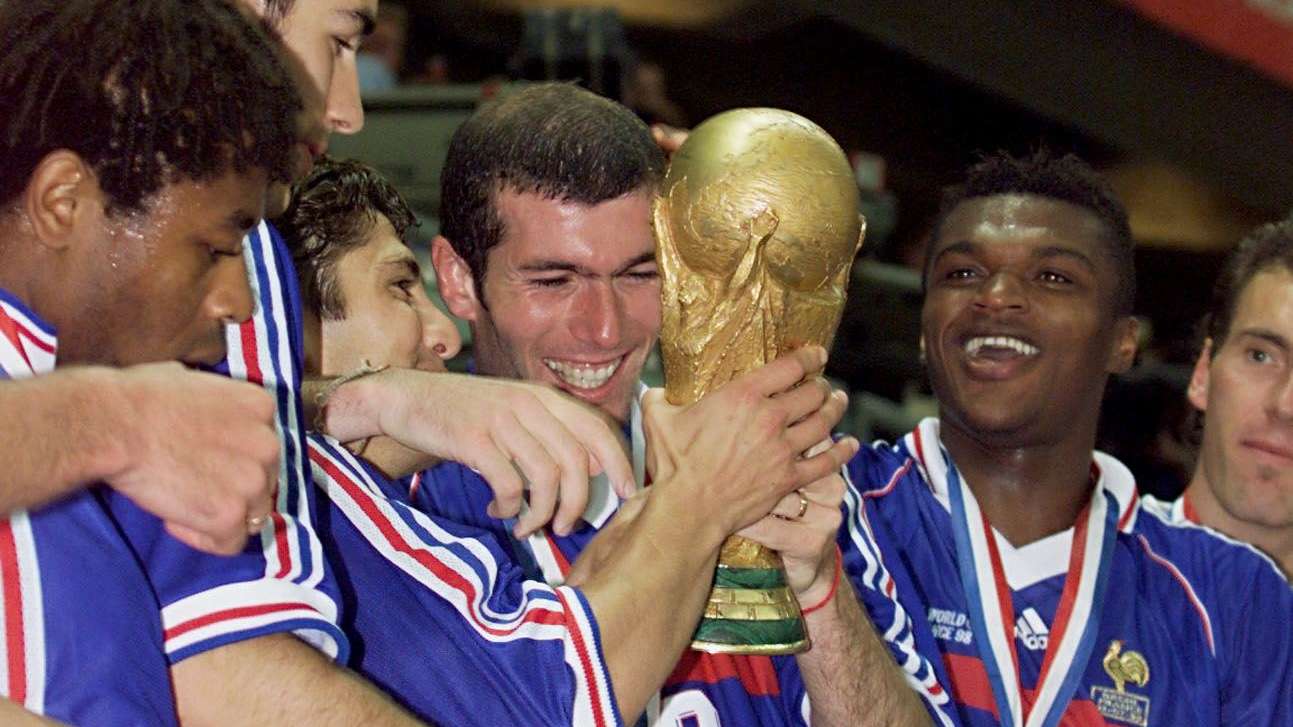
During the recently released Zinedine Zidane documentary, a bombshell revelation has come to light regarding the France national team’s victory in the 1998 World Cup. Former sports minister, Marie-George Buffet, has admitted to halting surprise doping tests for the team just before the start of the tournament, where “Les Bleus” were ultimately crowned champions on home soil.
Surprise Doping Tests Suspended
According to a report by Mundo Deportivo, Buffet’s admission took place during the documentary film “Zidane: The Making of a Legend”. This revelation comes as a shock, as Buffet had previously denied giving any instructions to stop the surprise tests during her testimony before a committee in the French Senate back in 2013.
Buffet disclosed that the first surprise doping test had sparked anger within the France camp, leading to a decision to suspend any further surprise tests until the World Cup was over. Dr. Alain Garnier, the doctor sent by the sports ministry to conduct the tests at that time, confirmed Buffet’s account. He had been explicitly instructed not to conduct any more surprise tests on the France national team until after the World Cup, with this directive being given verbally.
Buffet did not refute Dr. Garnier’s statement, acknowledging that if he said it, then it must be true. She expressed regret over the decision, calling it “a step backwards in the fight against doping”. The confession has reignited discussions about the circumstances leading up to France’s historic victory in 1998.
Debate and Questions Arise
The revelation has sparked a wave of questions and debate across France, particularly because it contradicts Buffet’s previous testimony before the Senate in 2013. During that testimony, Buffet had stated under oath that her ministry had not issued any directives to halt surprise doping tests.
The timing of the suspension of surprise tests just before the tournament where France emerged victorious has raised eyebrows and fueled speculation about whether the team had an unfair advantage. The debate over the integrity of France’s 1998 World Cup win has been reignited, with fans and analysts alike questioning the impact of the halted doping tests on the team’s performance.
Conclusion
The shocking revelation made by Marie-George Buffet in the Zinedine Zidane documentary has cast a shadow over France’s historic World Cup victory in 1998. As discussions continue to unfold, the debate over the integrity of the tournament and the France national team’s triumph will undoubtedly persist in the public eye.
Impact of the Revelation on Football History
The bombshell revelation made in the Zinedine Zidane documentary has not only sparked controversy within France but has also had reverberations throughout the footballing world. The 1998 World Cup victory holds a significant place in the history of football, being France’s first-ever World Cup triumph. The revelation of halted surprise doping tests has called into question the integrity of that historic win and has led to discussions about the impact of such actions on the sport as a whole.
With doping scandals already tarnishing the reputation of various sports, including cycling and athletics, any association of doping with a World Cup-winning team raises serious concerns about fair play and ethical practices in football. The revelation has reignited debates about the prevalence of doping in football and the effectiveness of anti-doping measures in the sport.
Lessons Learned and Calls for Transparency
As the controversy surrounding France’s 1998 World Cup victory continues to unfold, there are calls for greater transparency and accountability in the world of football. The revelation of halted surprise doping tests highlights the need for more stringent anti-doping protocols and oversight to ensure the integrity of competitions at all levels.
Lessons can also be learned from this revelation about the importance of upholding ethical standards in sports governance. The admission by Marie-George Buffet serves as a reminder of the potential consequences of compromising on anti-doping measures for the sake of sporting success. It underscores the need for sports officials and governing bodies to prioritize the health and fairness of athletes above all else.
Looking Ahead: Ensuring Fair Play in Football
As the footballing community grapples with the implications of the halted surprise doping tests in 1998, there is an opportunity to reflect on how to prevent similar incidents in the future. Strengthening anti-doping regulations, increasing transparency in testing procedures, and promoting a culture of fair play are essential steps to safeguarding the integrity of football competitions.
Ultimately, the shocking revelation from the Zinedine Zidane documentary serves as a wake-up call for the footballing world to remain vigilant against doping and to uphold the values of honesty, integrity, and sportsmanship. By learning from the past and taking proactive measures to ensure fair play, football can continue to inspire fans worldwide and uphold its status as the beautiful game.
With the 1998 World Cup victory now under scrutiny due to the revelation of halted surprise doping tests, the footballing world must address the implications of this shocking disclosure and work towards strengthening anti-doping measures to uphold the integrity of the sport.