
Egyptian Imam Sparks Controversy with Football Mockery
Recently, a video clip circulating on social media has stirred up controversy in Egypt, involving an Imam from the Ministry of Endowments who mocked the popular football club, Al-Ahly. The Imam, dressed in Azhari attire, was seen standing outside Zamalek’s club gate, taunting Al-Ahly for their failure to qualify for the upcoming edition of the CAF Champions League.
Social Media Outrage
The video quickly caught the attention of social media users, who criticized the Imam for his behavior, considering it inappropriate for someone in his position to engage in such mockery. Many felt that his actions did not align with the values associated with the Azhari attire he was wearing during the incident.
Ministry of Endowments Response
In response to the uproar, the Ministry of Endowments issued a statement on its official Facebook account, announcing an urgent investigation into the incident. The Ministry expressed its commitment to upholding its public image, the message of the Imam, and the dignity of the Azhari attire. It highlighted that the Imam’s remarks were unrelated to religious matters and were conveyed in a mocking tone.
The Ministry assured the public that appropriate measures would be taken to address the situation and maintain the integrity of the institution.
Football Qualification Update
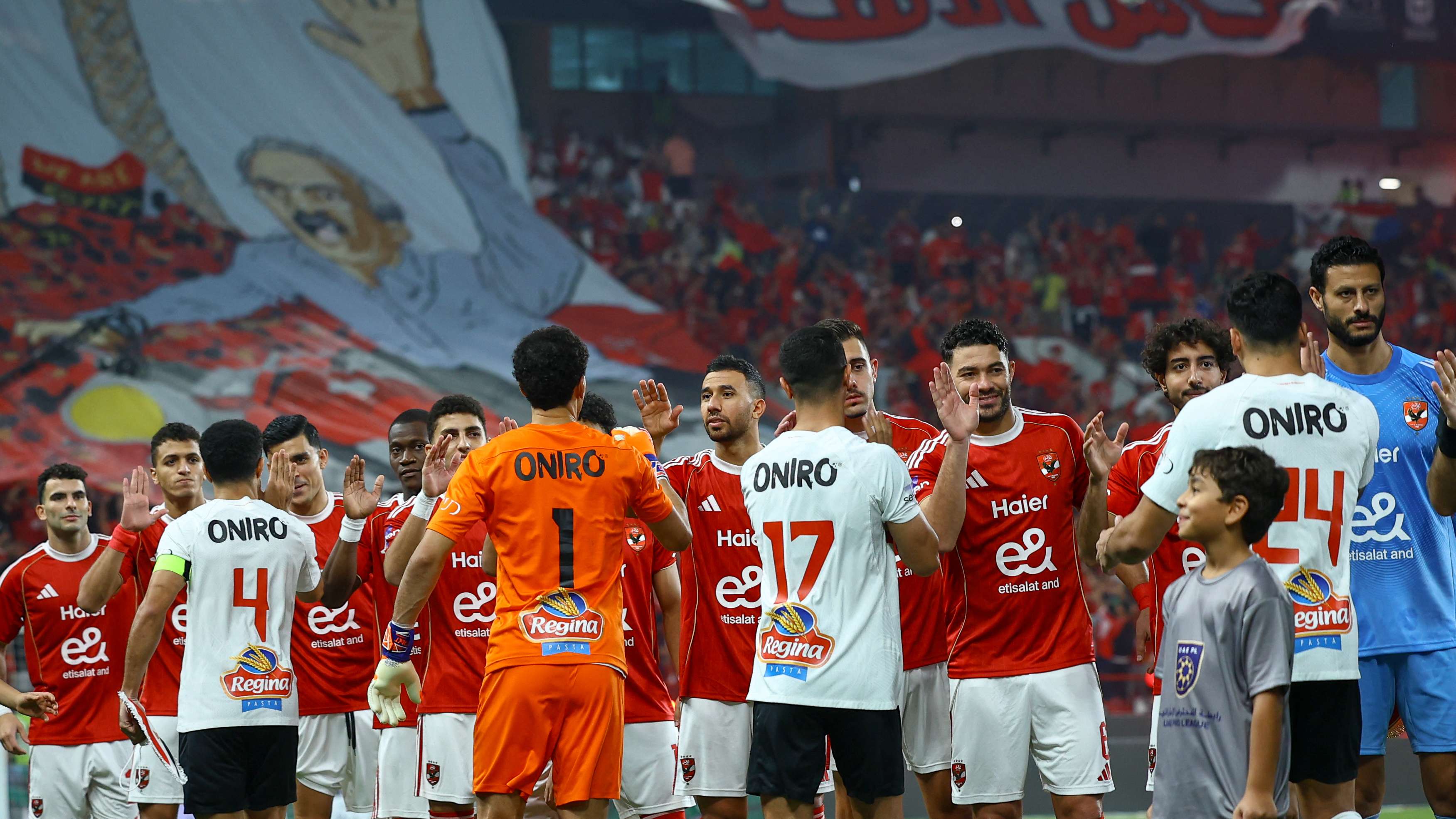
Al-Ahly, despite missing out on the Champions League spot, managed to secure a place in the CAF Confederation Cup after finishing third in the Egyptian league last season. On the other hand, Zamalek and Pyramids successfully earned their spots in the prestigious Champions League tournament.
The competition between these top Egyptian football clubs has always been intense, with fans passionately supporting their respective teams. The rivalry between Al-Ahly and Zamalek is deeply rooted in the country’s football history, making any form of mockery or disrespect towards either club a sensitive issue among supporters.
Implications of the Incident
The incident involving the Imam has shed light on the intersection of sports and religion in Egypt, emphasizing the need for individuals in influential positions to exercise discretion and uphold professionalism in their public behavior. It serves as a reminder that actions and statements, even those unrelated to one’s primary role, can have significant repercussions, especially in a highly watched and scrutinized environment.
As discussions and debates continue to unfold on social media and other platforms, the incident serves as a cautionary tale for public figures to be mindful of their actions and words, considering the potential impact on their reputation and the organizations they represent.
Overall, the incident highlights the complexities and sensitivities surrounding the intersection of sports, religion, and public image in Egyptian society, prompting a broader conversation on the responsibilities of individuals in positions of influence.
Football Predictions and Fans’ Reactions
As the football season progresses, fans of Al-Ahly, Zamalek, and Pyramids are eagerly anticipating the upcoming matches in both the CAF Confederation Cup and the CAF Champions League. Predictions and speculations are rife among supporters about the performance of their favorite teams and the possible outcomes of the games.
With the rivalry between Al-Ahly and Zamalek reaching new heights, fans are particularly invested in the results of their encounters on the field. The history of intense matches between these two clubs has only fueled the anticipation and excitement surrounding their upcoming fixtures.
Football predictions have become a popular phenomenon among fans, with many using various platforms to share their insights, analysis, and expectations for the games. Social media channels, online forums, and dedicated football prediction websites are buzzing with discussions and debates about which team will emerge victorious in the upcoming tournaments.
Impact on Sports Culture and Religious Sensitivities
The incident involving the Imam has sparked a broader conversation about the intertwining of sports culture and religious sensitivities in Egyptian society. It has highlighted the need for individuals, regardless of their background or occupation, to be mindful of their actions and words, especially in public settings.
In a country where football holds immense cultural significance and plays a unifying role among its populace, any form of disrespect or mockery towards a particular team can have far-reaching consequences. The incident serves as a reminder of the importance of respecting the passions and allegiances of football fans, as well as the values associated with religious attire and positions of authority.
As Egypt grapples with the implications of this incident, it underscores the delicate balance between freedom of expression and the responsibility that comes with exercising influence in society. Sports figures, religious leaders, and public personalities are increasingly under scrutiny for their words and actions, necessitating a more nuanced approach to navigating the intersection of different spheres of influence.
Looking Ahead: Lessons Learned and Moving Forward
As the Ministry of Endowments conducts its investigation and takes necessary steps to address the Imam’s behavior, it provides an opportunity for reflection and introspection within Egyptian society. The incident serves as a lesson for individuals in positions of authority to exercise prudence and uphold the values of professionalism, regardless of the context in which they find themselves.
Furthermore, it underscores the need for greater awareness and sensitivity towards the diverse tapestry of beliefs, passions, and traditions that coexist within Egyptian society. Respect for differing viewpoints, whether in sports, religion, or public discourse, is essential for fostering a harmonious and inclusive environment where individuals can express themselves without fear of reprisal or disrespect.
Ultimately, the incident involving the Imam serves as a catalyst for positive change and a reminder of the responsibilities that come with influence and visibility in society. By learning from this episode and committing to greater understanding and empathy, Egypt can strengthen its social fabric and promote a culture of respect, tolerance, and unity among its diverse communities.