
Mourinho Raises Fitness Concerns as Real Madrid Players Head Into International Break
José Mourinho has warned that Real Madrid’s strong run of form could be threatened by the demands of the international break, with several first-team players leaving the club to represent their countries. The coach is concerned that footballers who need time to recover may face further physical strain while away from the club’s medical and training staff.
Real Madrid enter the break on a high, having recorded eight consecutive victories, including a win over Valencia at the Mestalla. But behind that impressive run, the coaching staff are monitoring signs of fatigue. With a busy schedule expected to resume after the international fixtures, even a minor injury could disrupt the team’s momentum.
Why Mourinho Is Worried About the International Break
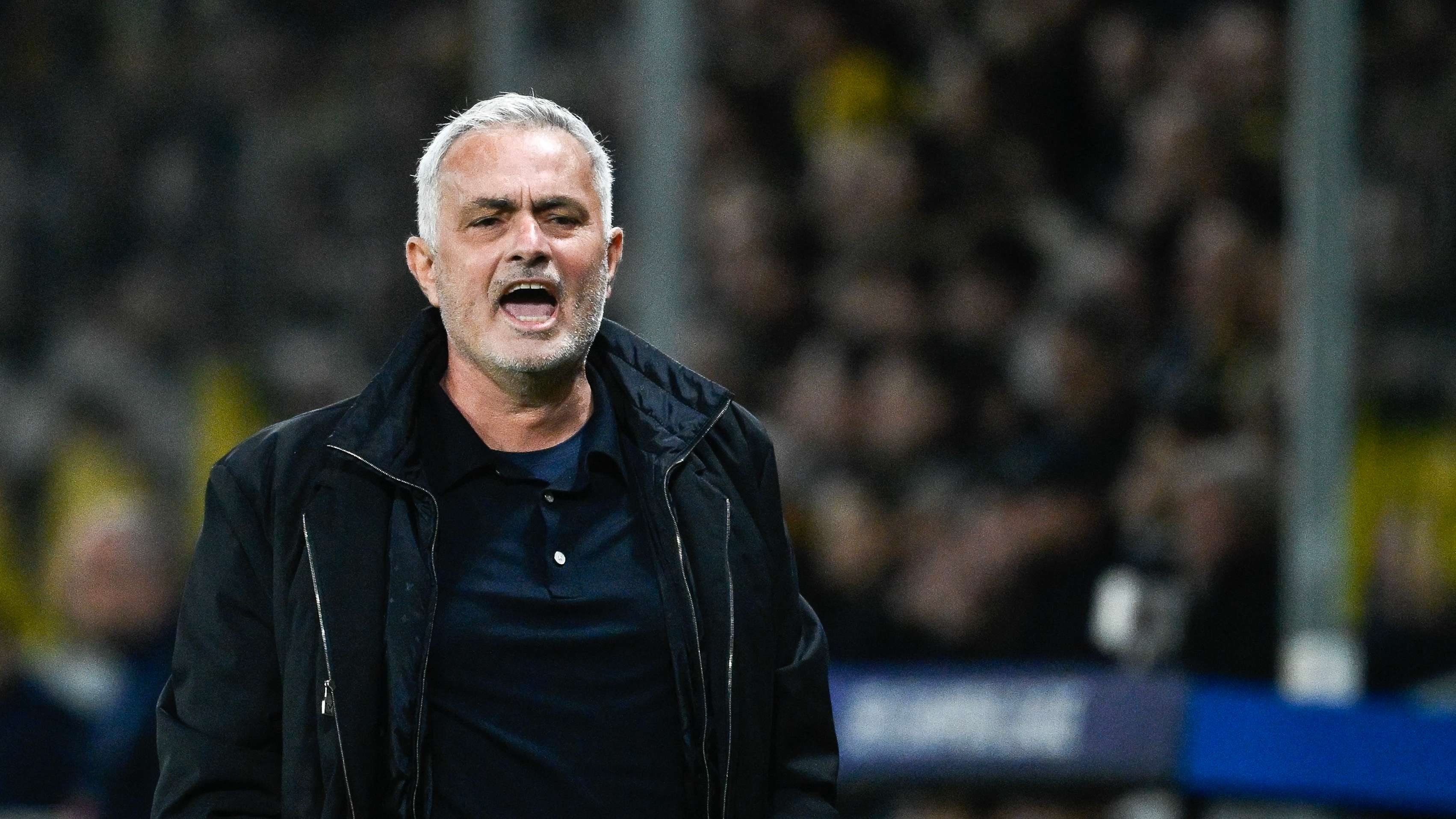
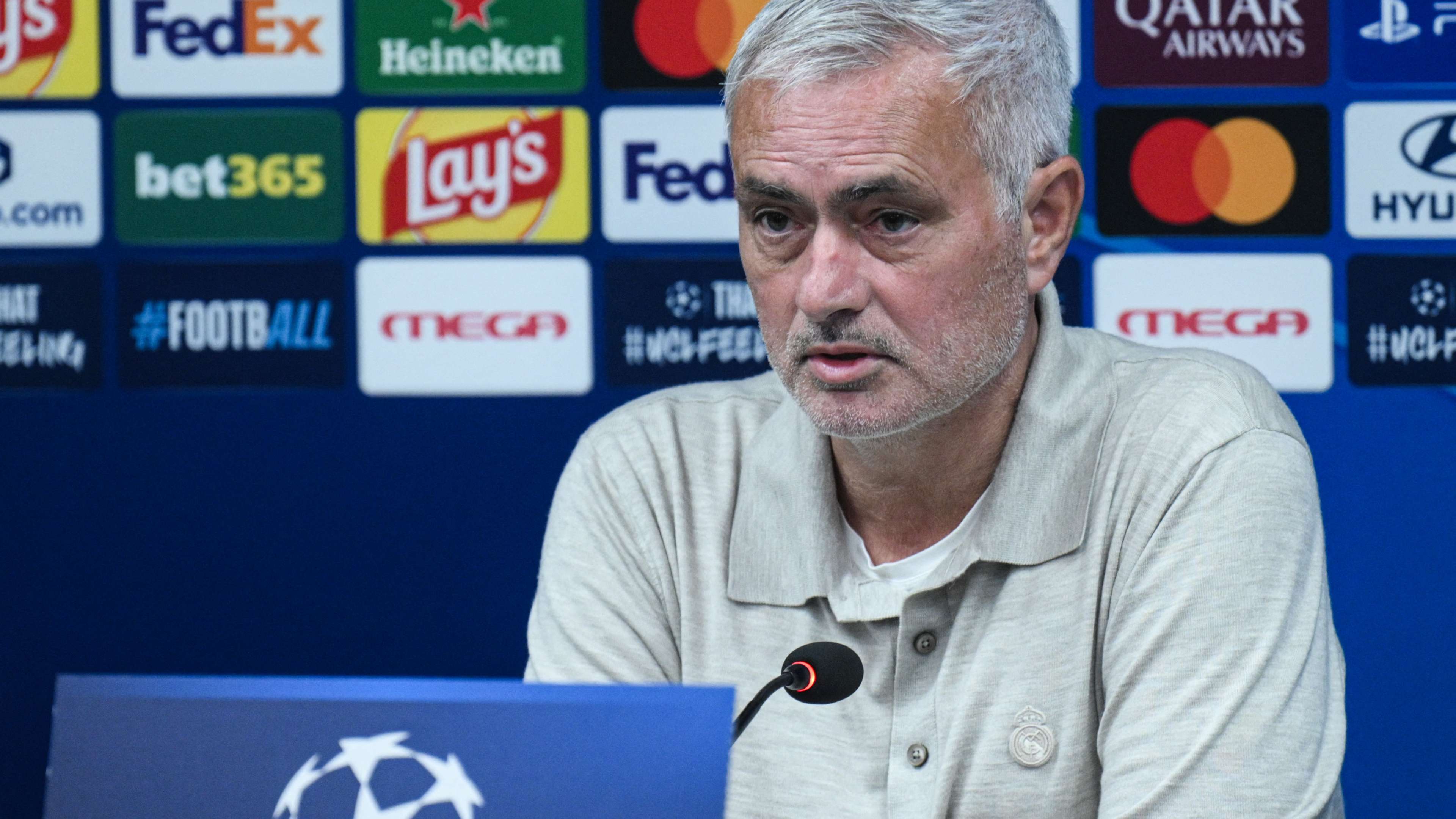
Speaking after the Valencia match, Mourinho said he would prefer to keep his players at the club, where their recovery could be managed closely. He explained that Real’s staff can tailor rest, treatment and training to each player’s condition, but that control changes once footballers report to their national teams.
“I’m telling you now that I’m worried about the international break,” Mourinho said. “If the players stay with me and my staff, we’ll be able to give them excellent care during their recovery period, but they’ll be with their national teams.”
The concern is not simply that players will travel or take part in matches. International duty can involve additional training sessions, long journeys and unfamiliar recovery routines, all of which may add to the physical load accumulated during the club season. For players already carrying fatigue, the timing of those demands can be especially important.
A request for national-team coaches
Mourinho acknowledged that national-team managers have their own responsibilities. They need time to prepare teams, assess players and work on tactics before competitive fixtures. Even so, he urged coaches to take account of the condition in which Real Madrid’s players arrive and avoid placing unnecessary demands on them.
“I’ve never coached a national team, but I understand their coaches’ desire to work,” he said. “These players can’t work right now. They need to rest so they can play later with their national teams.”
His comments reflect a familiar tension in modern football. Clubs invest heavily in players and manage their workloads across a long season, while national teams depend on those same players during international windows. Both sides have legitimate priorities, but the practical challenge is finding a balance between preparation and recovery.
Brazil call-ups add to the focus
Among the players drawing attention are Brazilian internationals Vinícius Júnior and Endrick. Their involvement gives the issue added significance for Real Madrid, particularly because both are important figures in the club’s plans. The concern, however, is not a criticism of Brazil coach Carlo Ancelotti, a former Real Madrid manager and a personal friend of Mourinho.
Mourinho made clear that he did not intend to contact Ancelotti or lobby national-team coaches directly. “I don’t want to call anyone, not even my friend Carlo,” he said. Instead, his broader message was that clubs and national teams should treat player recovery with professionalism and consider individual fitness rather than relying on a one-size-fits-all approach.
That distinction matters. A player who has completed a full run of matches may need a different plan from a teammate returning from injury or showing signs of accumulated fatigue. Careful communication between club and country can help ensure that training intensity, match minutes and recovery work are adjusted appropriately.
What the break could mean for Real Madrid’s season
Real Madrid’s eight-match winning streak has strengthened confidence around the team, but a successful run also brings a demanding workload. Key players often feature heavily in decisive league and European fixtures, leaving little time for complete rest. The international break offers a chance for some footballers to reset, but it can also create fresh risks if they are required to play multiple matches.
For supporters, the main concern will be whether the squad returns in good condition for the next stretch of the campaign. Real Madrid are scheduled to face Celta in La Liga on November 22, 2026, and the period after the break could prove important as the club looks to maintain its position and build on its recent results. The exact impact will depend on which players are selected, how many minutes they receive and whether any fitness issues emerge.
Injury prevention is rarely a matter of luck alone. Monitoring workload, allowing adequate sleep and recovery, and responding quickly to signs of discomfort can all help reduce risk. Still, international football presents variables that clubs cannot fully control, including travel schedules and the intensity of competitive matches.
Prediction: Real Madrid will hope to resume their winning form
Any prediction about Real Madrid’s post-break performance depends heavily on the condition of their returning players. If the squad comes back without injuries and the leading figures are available, the team should have a strong chance of carrying its momentum into the next La Liga fixture. A weakened or fatigued group, by contrast, could make it harder to reproduce the sharpness shown during the winning streak.
Mourinho’s message is therefore less about questioning international football than highlighting the importance of sensible workload management. He recognises the needs of national teams but wants the players’ physical condition to remain central to decisions over training and match involvement.
For now, the Real Madrid coach can only wait and hope the break passes smoothly. His closing remark captured the uncertainty surrounding the situation: “Let’s hope luck is on our side.” Whether the club’s winning run continues may depend not only on tactics and form, but also on how effectively its players recover while representing their countries.