
Sensational Remarks by Renowned Media Personality Spark Controversy
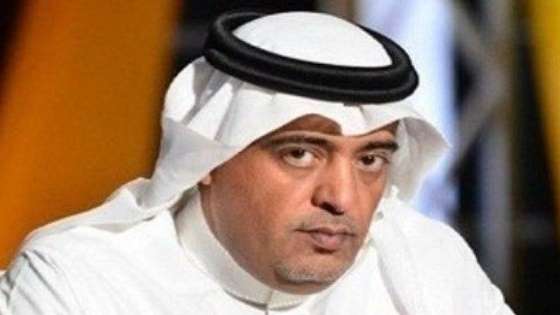
The well-known football pundit, Walid Al-Faraj, has stirred up controversy with his recent comments about certain players, particularly Al-Nassr goalkeeper Nawaf Al-Aqidi. Al-Faraj’s remarks have sparked criticism from fans and ignited a debate about the role of media personalities in the world of football.
Addressing the Criticism
During a segment on his show “Action with Walid,” Al-Faraj defended his comments, stating that he only criticizes players when they make serious mistakes, as is common practice in the football world. He emphasized that his critiques are not personal attacks but rather assessments of players’ performances on the field.
Al-Faraj further clarified that his criticism is not limited to specific players or teams, highlighting that he is unafraid to hold any player accountable for their actions. He also addressed the notion that he avoids criticizing certain individuals, pointing out that even high-profile figures like Yasser Al-Misehal, the president of the Saudi Arabian Football Federation, face scrutiny from various sources.
Analysis of Recent Matches
Turning his attention to recent matches, Al-Faraj discussed Al-Nassr’s victory over Al-Najma, praising both teams for their performances. He noted that while Al-Nassr displayed an impressive performance, Al-Najma also showed strength on the field, indicating that the final score may not fully capture the match’s dynamics.
Highlighting individual player performances, Al-Faraj singled out Abdullah Al-Hamdan for his standout display, suggesting that regular playtime is essential for local players to reach their full potential and contribute effectively to the national team.
Insights and Perspectives
Al-Faraj’s comments have sparked a broader discussion about the role of media personalities in shaping public opinion about football players and teams. While some view his critiques as valuable insights into player performance, others argue that excessive criticism could impact players’ morale and confidence on the field.
As the debate continues, fans, players, and officials alike are grappling with the delicate balance between constructive criticism and undue pressure on athletes. The evolving landscape of sports media raises questions about the responsibilities of pundits like Al-Faraj in influencing public perceptions and shaping narratives within the football community.
Ultimately, the intersection of media, sports, and public discourse underscores the complex dynamics at play in the world of football, where opinions and analysis often influence fan expectations, player motivations, and team dynamics.
Stay tuned for more updates and analysis on the latest developments in the world of football, as we continue to explore the diverse perspectives and insights that shape this dynamic and ever-evolving sport.
Impact of Media Criticism on Players
Media personalities like Walid Al-Faraj play a significant role in shaping public opinion about football players, teams, and matches. While their commentary can provide valuable insights and analysis, it also has the potential to impact players’ morale and performance on the field. Criticism, even when intended as constructive, can weigh heavily on athletes, affecting their confidence and mental state.
Players are constantly under scrutiny from fans, coaches, and the media, which can create added pressure to perform at their best. Negative comments from pundits like Al-Faraj may not only affect an individual player’s mindset but could also influence team dynamics and overall performance. It is essential for media personalities to strike a balance between offering constructive criticism and avoiding overly harsh assessments that could harm players’ well-being.
Role of Pundits in the Football Community
Pundits and media personalities in the football world hold significant influence over how players and teams are perceived by the public. Their analysis shapes narratives, influences fan opinions, and contributes to the ongoing dialogue surrounding the sport. As such, pundits like Al-Faraj have a responsibility to provide fair and insightful commentary that enhances viewers’ understanding of the game without unnecessarily undermining players’ confidence.
By offering nuanced perspectives, highlighting players’ strengths, and providing constructive feedback, media personalities can contribute positively to the football community. It is crucial for pundits to approach their commentary with professionalism and respect for the athletes who dedicate themselves to the sport.
Future of Sports Media and Football Analysis
The evolving landscape of sports media presents new challenges and opportunities for pundits and analysts in the football industry. With the rise of social media, podcasts, and online platforms, the reach of football commentary has expanded significantly, allowing for a diverse range of voices and perspectives to enter the conversation.
As the world of football continues to evolve, so too must the role of media personalities in providing insightful and engaging content for fans. By embracing new technologies, engaging with diverse audiences, and promoting thoughtful discourse, pundits like Al-Faraj can continue to contribute meaningfully to the discussion surrounding the beautiful game.
Conclusion
In conclusion, the remarks made by Walid Al-Faraj have sparked a necessary debate about the impact of media criticism on football players and teams. While pundits play a crucial role in shaping public opinion and providing analysis, they must also consider the potential effects of their commentary on players’ mental well-being and performance.
As the football community navigates these challenges, it is essential for media personalities to uphold professional standards, offer constructive feedback, and contribute positively to the overall discourse surrounding the sport. By doing so, pundits can enhance the fan experience, support player development, and enrich the dynamic world of football analysis.