
Racing Santander Face Possible Fine After Lighter Thrown During Real Madrid Match
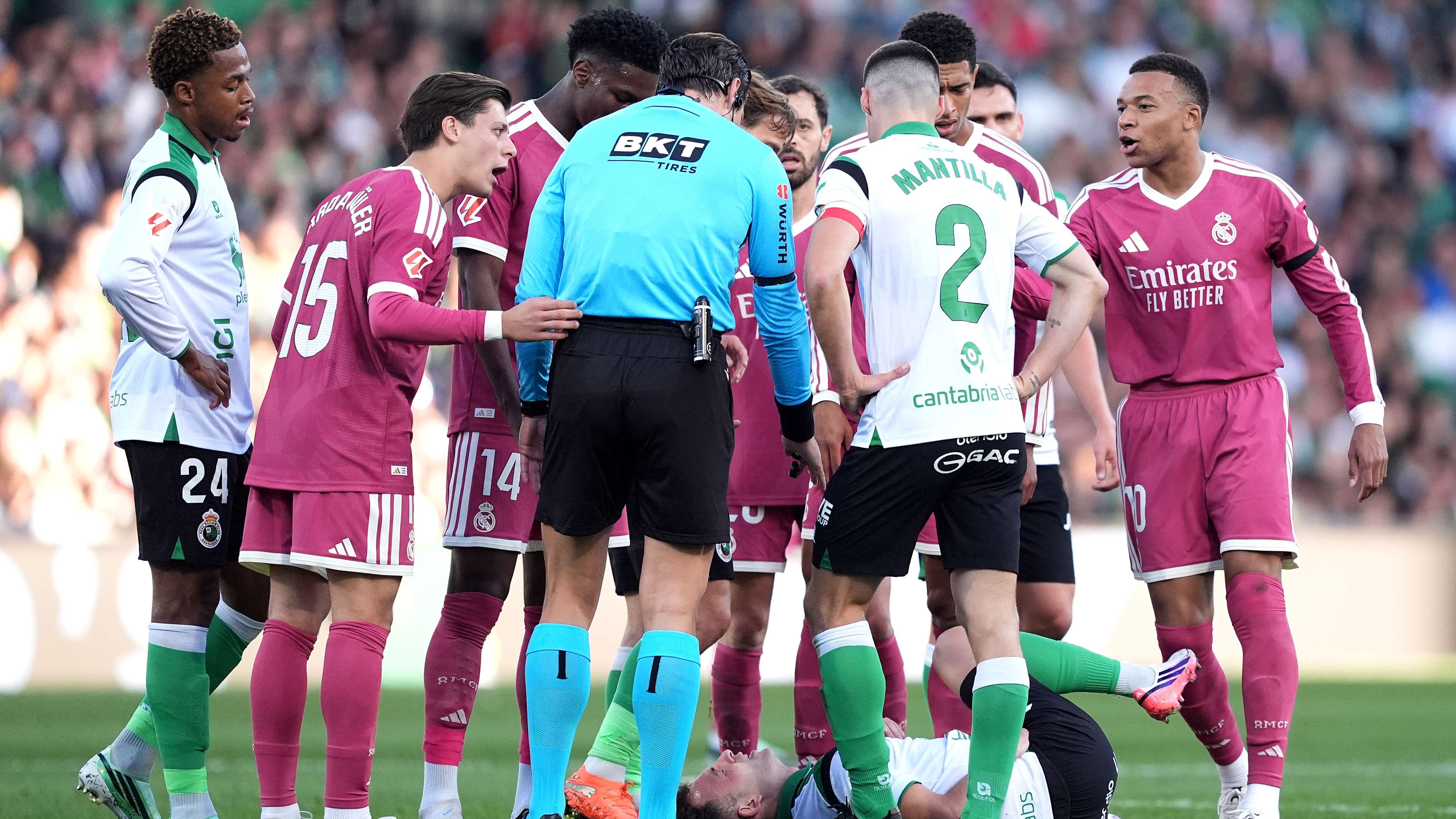
Racing Santander could be fined up to 602 euros after a supporter threw a lighter onto the pitch during the club’s 3-0 defeat to Real Madrid in La Liga. The object landed close to the second assistant referee but did not hit him, according to the match official’s report.
The incident occurred in the 78th minute, at a tense point in the game when the referee was reviewing a possible penalty incident involving Real Madrid midfielder Aurélien Tchouaméni. Video assistant referee (VAR) officials checked whether Tchouaméni had handled the ball inside the penalty area. After reviewing the footage, the referee allowed play to continue.
Stadium protocol activated after object was thrown
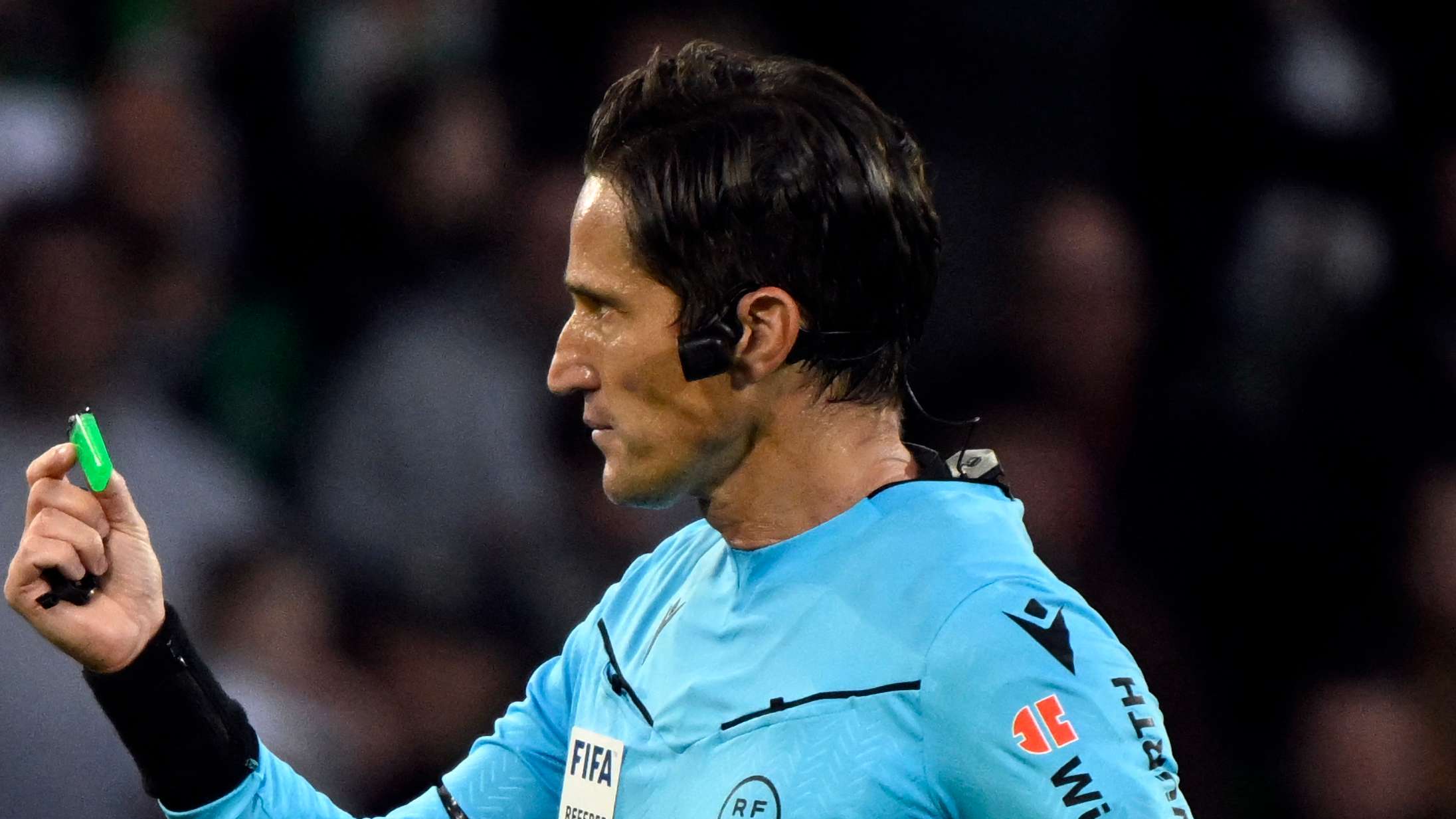
Referee José Luis Munuera Montero recorded the lighter-throwing incident in his official report. The report states that the object landed near the second assistant referee, without making contact. Match officials then activated the first stage of Spain’s protocol for objects thrown from the stands.
As part of that response, an announcement was made over the stadium’s public-address system, warning spectators against throwing objects onto the field. Such announcements are intended to stop further incidents and help protect players, referees and other match personnel. If objects continue to be thrown, officials can take additional measures, including pausing or suspending the match.
Although the lighter did not cause an injury or interrupt play for an extended period, its proximity to an official makes the incident a disciplinary matter. Objects thrown from the stands can create serious risks, particularly when they reach the playing area during a live match. Even a small item can distract an official or cause harm if it strikes someone.
Spanish federation to decide on potential sanction
The disciplinary committee of the Royal Spanish Football Federation is expected to review the case and issue a ruling on Wednesday. The match report cites Article 117 of the federation’s regulations, which deals with minor incidents that disrupt the normal course of a match.
Under that provision, Racing Santander could face a fine of up to 602 euros if the club is held responsible. The final decision will rest with the disciplinary body, which will assess the referee’s account and the circumstances surrounding the incident. The reported maximum is not necessarily the amount that will be imposed.
Disciplinary decisions in football can take into account factors such as the seriousness of the conduct, whether anyone was injured, the effect on the match and whether the club or stadium authorities responded appropriately. In this case, the report indicates that the lighter did not strike the assistant referee and that the stadium warning procedure was used.
A difficult night for Racing Santander
The possible fine adds an unwelcome off-field issue to a disappointing result for Racing Santander. Real Madrid secured a 3-0 victory, leaving the hosts to reflect on both the performance and the incident in the stands. While the result will dominate the immediate football discussion, the federation’s decision will determine whether the episode brings an additional financial consequence for the club.
For supporters, the episode is also a reminder that behaviour in the stands can affect a club well beyond the final whistle. Teams may face sanctions for incidents involving spectators, even when the person responsible has not been publicly identified. Clubs can also be expected to work with stadium staff and security teams to discourage dangerous conduct and respond quickly when it occurs.
Why object-throwing incidents matter in football
Football authorities treat objects thrown onto the pitch as a safety concern, not simply a breach of stadium etiquette. Referees and assistant referees must make decisions while moving around the field and monitoring play. A thrown object can distract them, interfere with their work or create a risk of injury. Players and coaching staff can also be exposed to danger, especially during emotionally charged moments.
The timing of the incident may also attract attention. It followed a VAR review involving a possible handball by Tchouaméni, a decision that could have led to a penalty. Reviews of close calls often heighten tension among spectators, but frustration with an officiating decision does not justify throwing objects. Referees are required to make decisions according to the laws of the game, while disciplinary procedures provide a formal route for addressing misconduct.
For Racing Santander, the next step is to await the federation’s ruling. A fine of up to 602 euros would be relatively limited compared with the costs associated with more serious crowd incidents, but the case still carries a wider message: clubs are expected to maintain safe conditions for everyone involved in a match.
Prediction: focus shifts from the result to the ruling
Any prediction about the final sanction should remain cautious until the disciplinary committee publishes its decision. The reported circumstances—no contact with the assistant referee, no reported injury and an announcement made through the stadium system—will form part of the review. However, the federation will also consider the official report and the applicable rules before deciding whether a penalty is warranted and, if so, its size.
For now, Racing Santander’s 3-0 loss to Real Madrid is accompanied by a separate disciplinary question. The case is a small but notable reminder that football matches are judged not only by goals and results, but also by how clubs and supporters help keep the game safe and orderly.