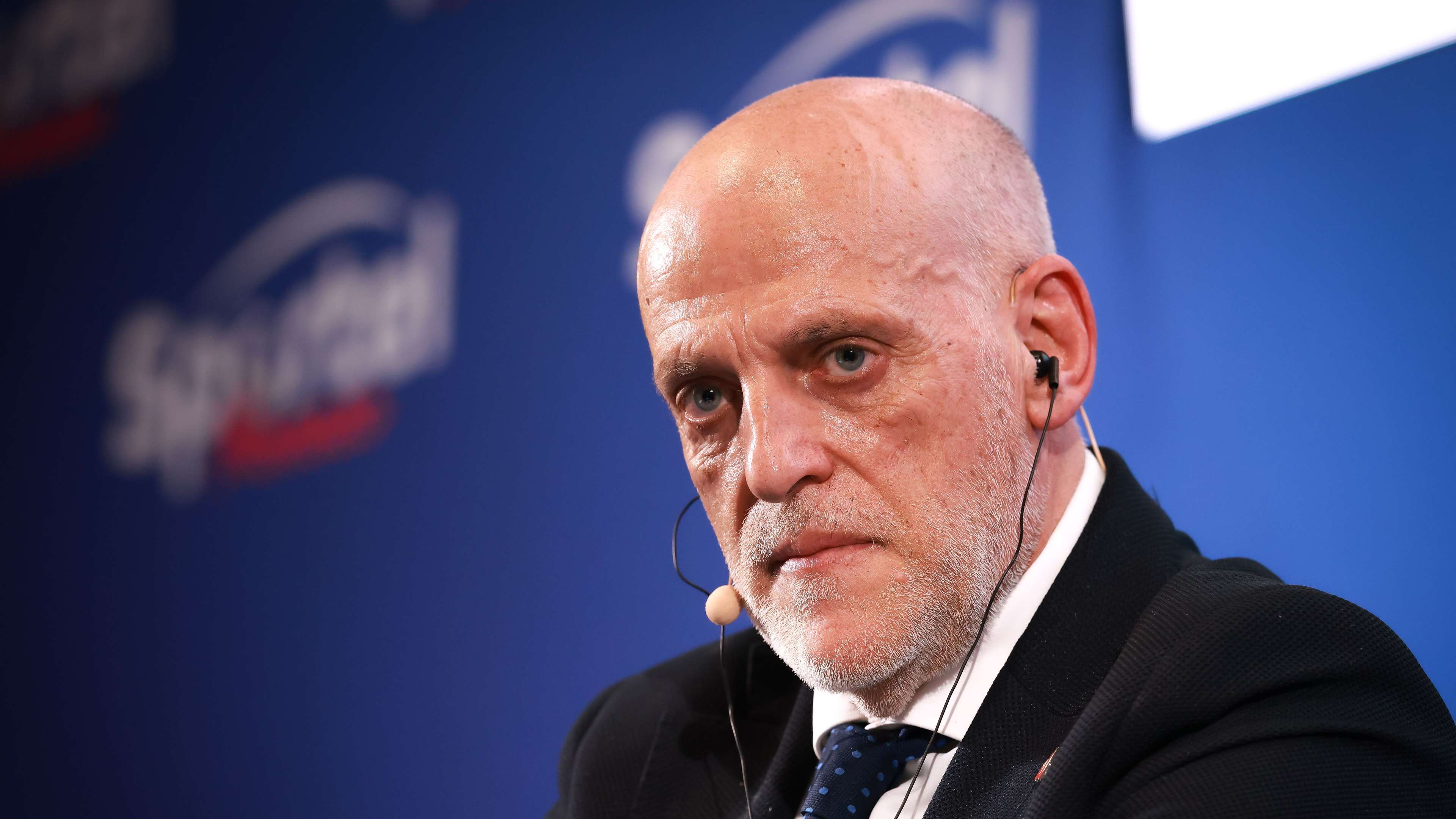

Javier Tebas apologises to Chinese fans after Mbappé controversy
La Liga president Javier Tebas has issued an apology to the Chinese people after comments by Kylian Mbappé about an image mocking China’s leader sparked anger and concern. In a message posted on X, Tebas said he regretted the offence caused and confirmed that the Spanish league is working with its partners in China to address the situation.
The controversy has drawn attention beyond the player himself, raising questions about how an individual’s public remarks can affect football’s international relationships. China is an important audience and commercial market for Spanish football, with millions of supporters following La Liga clubs and matches. Tebas stressed that the league wants to protect those connections while responding to the concerns raised.
Tebas says the league recognises the impact
“We are aware of the harm this matter has caused, and I would like, on behalf of the Spanish Liga, to extend our sincere apologies to the Chinese people,” Tebas wrote. His statement framed the apology as an effort to acknowledge the reaction and reaffirm the league’s respect for Chinese fans and institutions.
Tebas also warned against allowing the incident to overshadow the wider competition. He said La Liga could not let “an individual act” damage its relationship with China or affect the more than 20 clubs involved in its professional competitions. Those clubs depend on supporters around the world, and Chinese fans form a significant part of the league’s international following.
The response reflects a familiar challenge for major sports organisations: players and public figures communicate globally, while their comments can have consequences for clubs, leagues, broadcasters and commercial partners. In a highly connected media environment, a remark can quickly become an international issue, prompting organisations to respond before trust is further strained.
La Liga points to years of cooperation with China
In his message, Tebas highlighted the long-standing ties between La Liga and China. He described a relationship built over many years through cooperation with Chinese authorities, sporting organisations and television broadcasters, as well as engagement with millions of people who follow Spanish football.
That relationship reaches beyond match coverage. International football audiences help shape a league’s global profile, while broadcast agreements and partnerships can support the visibility of clubs and competitions. For La Liga, maintaining confidence among Chinese fans is therefore about more than one news cycle: it is part of a broader effort to sustain an international community around the sport.
Spanish clubs also benefit when supporters abroad remain engaged. Fans who watch matches, follow team news and discuss results contribute to the global conversation around football. Their interest can strengthen the reach of club brands and make overseas markets an important part of the modern game. Tebas’s comments suggest the league is keen to ensure that the controversy does not weaken those connections.
League says it is in contact with partners
Tebas confirmed that La Liga has begun taking action and is communicating directly with its partners and relevant parties in China. He did not disclose what measures are being considered, leaving the precise response unclear. His statement did, however, indicate that the league is treating the issue as one requiring active engagement rather than a simple public-relations response.
“We are taking the measures available to us, and we are working directly with our partners and the relevant parties in China to overcome this crisis,” he said. The wording leaves room for further discussions as the league assesses the situation and considers how best to address the concerns of its audience and partners.
For now, there is no public detail about whether the response will involve additional dialogue, a formal review or other steps. Any decision will likely need to balance accountability with the league’s wider responsibilities to its clubs, players and international supporters. A clear and respectful approach may be important in rebuilding confidence, particularly if the story continues to attract attention.
Why the episode matters for Spanish football
The incident is a reminder that football’s global reach brings both opportunity and responsibility. La Liga’s international audience includes people with different cultural and political sensitivities, and public figures’ online activity can travel far beyond its original context. When controversy crosses borders, leagues may face pressure to explain their position and demonstrate that they take affected communities seriously.
That does not mean every public dispute will have the same consequences. The eventual impact will depend on how the situation develops, how the league communicates with its partners and whether fans feel their concerns have been heard. Any prediction about the long-term effect on La Liga’s relationship with China remains uncertain while discussions are ongoing.
Still, Tebas’s apology signals that the league wants to prevent the matter from becoming a broader dispute involving clubs and supporters who were not responsible for the comments. His message focused on preserving a relationship built over time and separating an individual incident from the wider Spanish football community.
Tebas reaffirms La Liga’s commitment
Tebas ended his statement by underlining the league’s commitment to China, its people and its institutions. He said that one incident should not be allowed to harm a relationship developed over many years. Whether that reassurance is enough will depend partly on the response from Chinese partners and fans, as well as the steps La Liga takes in the coming days.
For supporters following the story, the key questions are now what measures the league will take, whether the issue prompts further communication from the parties involved and how quickly the situation can settle. La Liga’s immediate priority appears to be limiting the fallout and protecting its links with one of football’s major international audiences.
The episode also highlights how closely sport and public communication are connected. A player’s words can become a league-wide concern, while the response can influence how fans view the organisation as a whole. Tebas has made clear that La Liga regrets the offence caused and intends to work with its Chinese partners. The effectiveness of that response will ultimately be judged by whether it helps restore trust and keeps the focus on the shared interest that brought fans to Spanish football in the first place.