
A Shocking Omission: FIFA Sparks Controversy in Spain
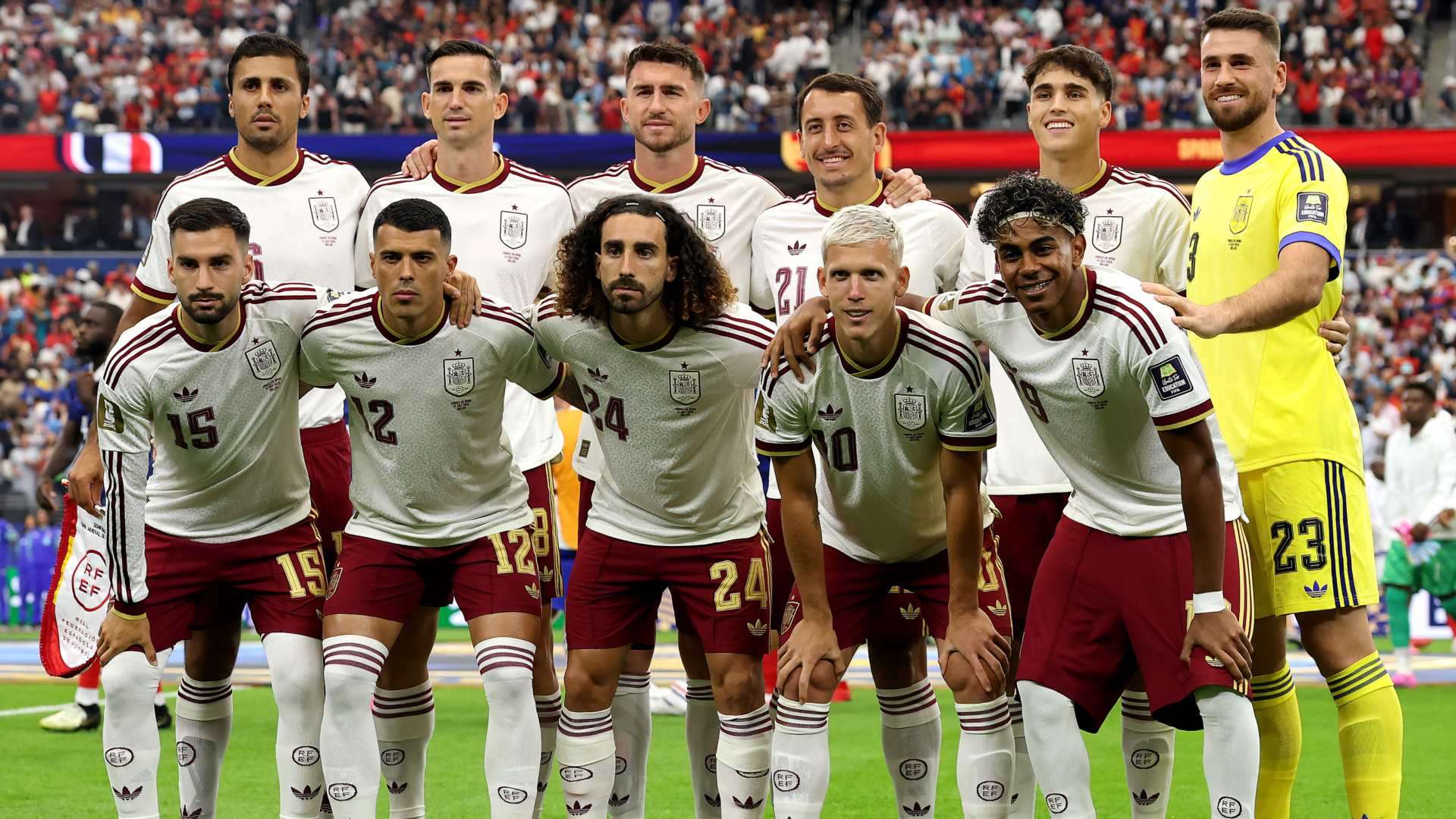
Recently, FIFA ignited a firestorm of criticism in Spain with their surprising decision to exclude central defensive duo Aymeric Laporte and Pau Cubarsi from the voting list for the best team at the 2026 World Cup. This move has left many in disbelief, especially considering the pivotal role the pair played in leading Spain to their second title at the prestigious MetLife Stadium in New Jersey.
An Illogical and Contradictory Decision
The announcement of the nominees for the public vote on FIFA’s official website came as a shock to fans and experts alike. Laporte and Cubarsi, who were instrumental in maintaining the strongest defense in the tournament, were notably absent from the list. With Spain conceding only one goal throughout the competition, their omission raised eyebrows and sparked accusations of inconsistency and unfairness.
Cubarsi, in particular, had been recognized as the best young player of the tournament, making his exclusion even more perplexing. How could a player receive such a prestigious individual accolade and yet be snubbed from the best team list? The decision has understandably caused outrage within Spanish football circles, with many questioning FIFA’s selection process.
Controversial Replacements
Instead of Laporte and Cubarsi, FIFA opted for Marc Cucurella and Pedro Porro in the defensive line, alongside other defenders like Lisandro Martinez, Nuno Mendes, and Virgil van Dijk. The absence of the Spanish duo was not limited to just the defensive line; it extended to other standout players like Dani Olmo and Mikel Merino, who also did not make the cut.
The goalkeeper selection also raised eyebrows, with Unai Simon making the list ahead of other promising goalkeepers. The midfield and attacking positions featured a mix of familiar names like Luka Modric and Lionel Messi, along with new talents like Rodri and Nico Williams.
A Historic Defensive Feat
Spain’s defensive prowess at the 2026 World Cup was nothing short of remarkable, with Laporte and Cubarsi leading the charge. Conceding only one goal in seven matches showcased the solidity and efficiency of their backline, making their exclusion from the best team list even more puzzling.
In conclusion, FIFA’s decision to leave out key players like Laporte and Cubarsi has sparked controversy and raised questions about the transparency and fairness of their selection process. As fans and experts continue to debate the choices made, one thing is certain: the absence of these standout performers has left a bitter taste in the mouths of Spanish football enthusiasts.
The Impact of FIFA’s Decisions on Player Recognition
While FIFA’s selection process for the best team at the 2026 World Cup has come under scrutiny, it also sheds light on the challenges players face in gaining recognition on the international stage. The omission of Laporte and Cubarsi highlights the unpredictability and subjectivity of such awards, where individual performances may not always translate into collective acknowledgment.
For players like Cubarsi, who earned the title of the best young player of the tournament, the exclusion from the best team list raises questions about the criteria used by FIFA. It underscores the importance of consistency and transparency in evaluating players’ contributions to their teams, beyond just statistical achievements.
The Role of Defensive Players in Football
Historically, defensive players often receive less recognition compared to their attacking counterparts in football. While goal scorers and playmakers tend to dominate headlines and awards, the impact of solid defenders like Laporte and Cubarsi should not be underestimated. Their ability to keep opposition teams at bay and provide a strong foundation for their squad’s success is crucial in achieving championship titles.
By overlooking the contributions of defensive players in favor of more offensive-minded individuals, FIFA’s decisions may inadvertently perpetuate a bias towards certain positions on the field. Recognizing the importance of a well-balanced team, where defensive stability is as crucial as attacking flair, is essential in promoting a holistic appreciation of the sport.
The Evolution of Football Awards and Recognition
As the landscape of football continues to evolve, so too should the criteria for awards and recognition in the sport. While individual accolades are important for players’ careers and legacies, the collective achievements of a team should not be overshadowed or undervalued. FIFA’s choices in selecting the best team for the 2026 World Cup serve as a reminder of the complexities involved in honoring players across different positions and roles.
Moving forward, there is an opportunity for organizations like FIFA to refine their selection processes, ensuring that they are inclusive of all players who contribute significantly to their team’s success. By fostering a more nuanced and comprehensive approach to player recognition, football’s governing bodies can uphold the integrity and fairness of their awards, while also celebrating the diverse talents and abilities present in the sport.
Conclusion
While controversy may surround FIFA’s decision to exclude players like Laporte and Cubarsi from the best team at the 2026 World Cup, it serves as a catalyst for discussions on player recognition, positional biases, and the evolving nature of football awards. By delving deeper into the nuances of player evaluations and the importance of a balanced team dynamic, fans and experts alike can gain a deeper appreciation for the intricacies of the beautiful game.
As the football world continues to evolve, so too should the criteria for honoring its stars, ensuring that players across all positions receive the acknowledgment and respect they deserve for their contributions to the sport.