
Portuguese Journalist Criticizes Ronaldo’s International Retirement
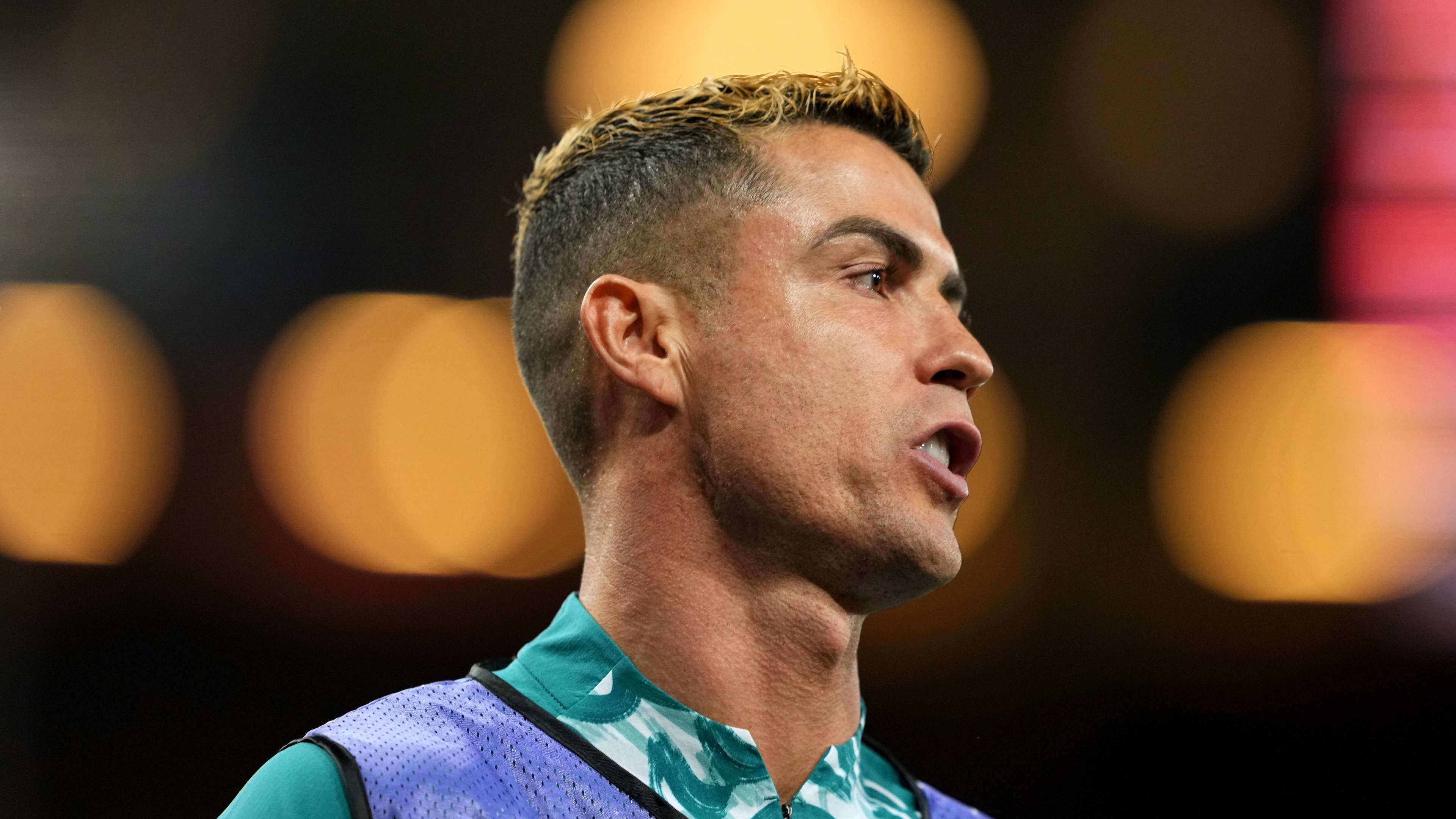
Portuguese journalist Luis Vilar has sharply criticized the circumstances surrounding Cristiano Ronaldo’s reported retirement from international football, describing the way the national-team chapter ended as a “disgrace.” His comments have intensified debate in Portugal over the veteran forward’s legacy, his relationship with coach Jorge Jesus and whether the country properly recognized one of its most influential players.
Ronaldo’s reported decision to step away from the national team has surprised supporters, particularly given the scale of his contribution over more than two decades. According to the figures cited in the original report, he made 234 appearances for Portugal, scoring 146 goals and providing 45 assists. His international career also included major silverware, including the 2016 European Championship and two UEFA Nations League titles.
Vilar Questions the Circumstances Behind Ronaldo’s Decision
Speaking on the programme In the Goal on Al Arabiya, Vilar said the news had caused shock across Portugal. He argued that Ronaldo’s choice was connected to his unwillingness to continue playing under Jorge Jesus, while also faulting the coach for the way he handled the situation.
“Everyone in Portugal was shocked by Ronaldo’s decision to retire,” Vilar said. He added that Jesus had not managed the relationship appropriately, especially given Ronaldo’s standing in the country’s football history. In Vilar’s view, disagreements between a player and coach should not overshadow the value of a career built on sustained achievement for club and country.
The journalist’s remarks reflect a wider discussion familiar to national teams everywhere: how should coaches balance authority, team needs and respect for a celebrated veteran? A coach must make decisions based on form, tactics and the future of the squad. At the same time, the manner in which those decisions are communicated can shape a player’s final experience and influence how supporters remember the ending of an era.
A Legacy Defined by Records and Trophies
Ronaldo’s Portugal career has been remarkable not only for its length but also for its impact. His goal tally and appearance record made him a defining figure for generations of supporters, while his performances helped Portugal compete for honours on the international stage. The 2016 European Championship victory was a landmark moment for the country, and the Nations League successes added further chapters to the team’s modern history.
Those achievements help explain why Vilar rejected the idea that Ronaldo should carry the blame for Portugal’s recent difficulties. He acknowledged that the forward had not always produced spectacular performances, but argued that the national team’s overall level also mattered. Football is a collective game: results depend on the quality of the squad, the tactical plan, the opposition and the form of many players—not one individual alone.
That context is important when assessing a veteran’s final seasons. As players age, their roles often change. They may receive fewer minutes, operate in different positions or be asked to contribute through leadership as much as goals. Such adjustments can create tension, especially when a player has spent years as the team’s central figure. A fair assessment should consider both recent performances and the broader body of work that came before them.
Respect, Recognition and the Final Chapter
Vilar’s strongest criticism was reserved for the way he believes Ronaldo was treated. He said the forward had given a great deal to Portugal and deserved to be appreciated accordingly, calling him a football legend. The argument is not that a famous player should be exempt from criticism or guaranteed a place in the starting lineup. Rather, it is that decisions affecting a historic figure should be handled with care, clarity and respect.
For supporters, the ending of a career can carry as much emotion as its greatest moments. A retirement announcement may prompt questions about whether the player chose the timing, whether circumstances influenced the decision and whether there might have been another farewell appearance. Those details can shape public perception, but they do not erase years of service. Ronaldo’s record for Portugal remains a central part of his sporting legacy regardless of how the final chapter unfolded.
The dispute also highlights the challenge facing Portugal as it looks ahead. Replacing a player with Ronaldo’s profile is not simply a matter of finding another forward. The team must redistribute goals, leadership and responsibility across the squad while developing younger players. That transition can be difficult, but it also gives a new generation the chance to establish its own identity and take on a larger role in major tournaments.
What Comes Next for Portugal?
Any prediction about Portugal’s future should account for both the opportunities and the uncertainty created by Ronaldo’s departure. The national side has talent beyond one player, but adapting its attack and leadership structure will take time. Coaches will need to identify reliable goal scorers, settle on a clear tactical approach and ensure that emerging players can perform under the pressure of representing a football-crazy nation.
Meanwhile, debate over the retirement is likely to continue. Some fans may focus on the timing and the apparent tension with Jesus; others will argue that a player’s recent form should determine selection, regardless of past achievements. Both perspectives point to the same underlying question: how can a national team honour its past while making difficult choices for the future?
For Vilar, the answer begins with recognition. He believes Ronaldo should be remembered as Portugal’s greatest player and that his contribution deserves appreciation, even if his performances were not always at their peak. Whether supporters agree with every part of the journalist’s criticism, the discussion underscores the scale of Ronaldo’s influence. His Portugal career was measured in goals and trophies, but also in the expectations, conversations and emotions he inspired across the country.