
FIFA’s World Cup Share Sale Project Faces Major Opposition
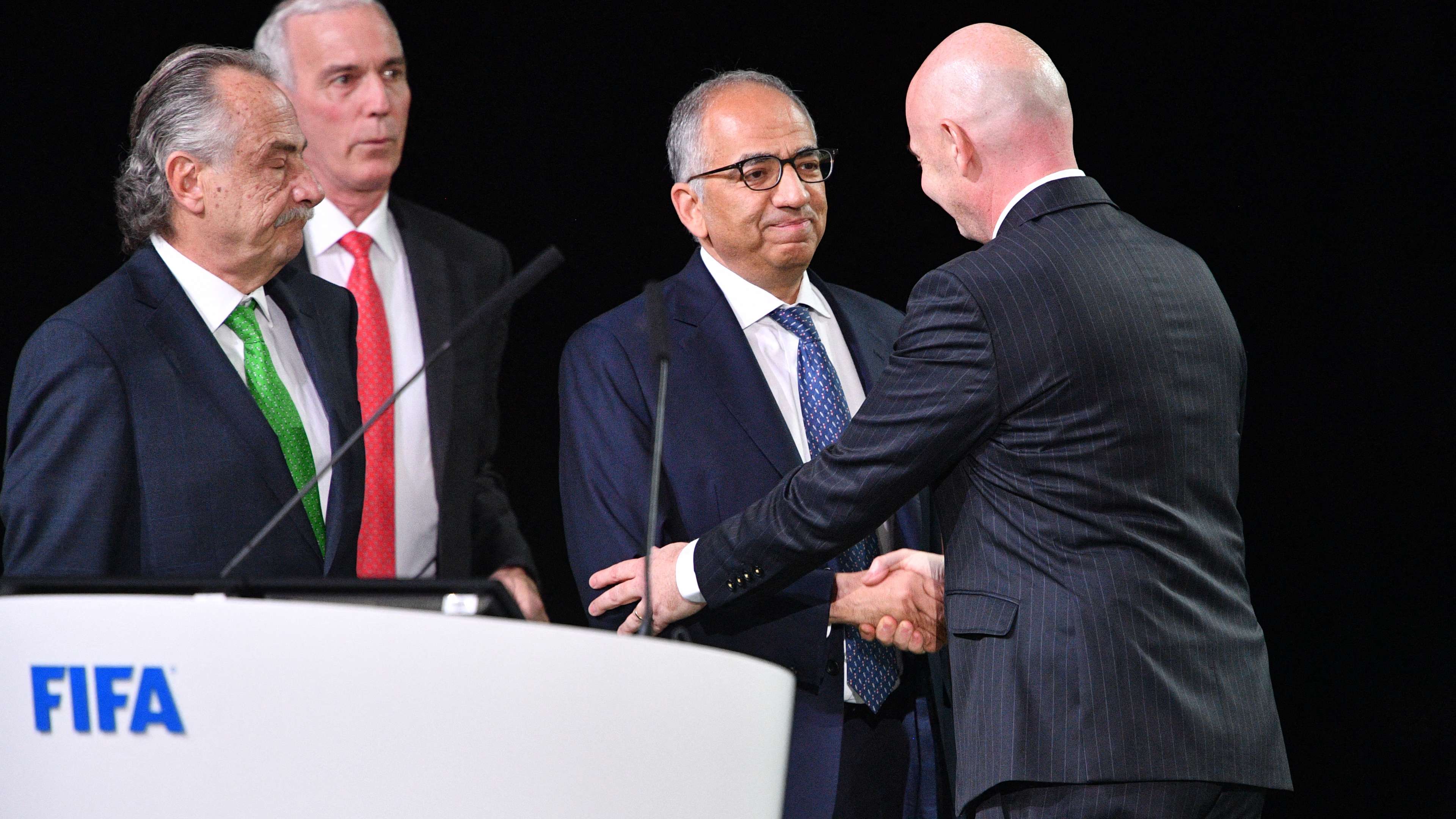
The crisis within FIFA has reached new heights as Carlos Cordeiro, senior adviser to FIFA president Gianni Infantino, has resigned from his position citing the World Cup share sale project as a disastrous move for the future of football. Cordeiro, a former president of the United States Soccer Federation, expressed his firm rejection of the project, describing it as a “very bad deal” for both member associations and the long-term interests of the sport.
A Senior FIFA Adviser Speaks Out
In an official statement released on Friday, Cordeiro highlighted his concerns about the project, stating, “As the principal adviser to the FIFA president, a former banker, and a lifelong football fan, I cannot stand idly by while FIFA considers selling part of the World Cup.” He firmly stated that he had no role in the proposal and unequivocally opposed it, emphasizing that it would be detrimental to FIFA’s member associations and the sport itself.
With over 35 years of banking experience, Cordeiro recognized the economic value of major tournaments but warned against the risks associated with relinquishing part of the ownership of football’s most important asset. He questioned the lack of transparency surrounding the project, demanding answers to crucial questions about its timing, beneficiaries, oversight mechanisms, and governance.
Infantino’s Controversial Project
FIFA recently announced its plan to establish a new commercial entity named “FIFA Forward Enterprise” to manage the commercial aspects of its tournaments, including the World Cup. The proposal involves selling stakes in the company to private-sector investors with the goal of boosting financial returns, potentially raising around $4.2 billion.
However, Cordeiro firmly rejected the financial justifications put forward by Infantino, arguing that FIFA already possesses significant financial resources and does not need to sell part of its legacy to generate additional funds. He cautioned against mortgaging the future of the game without compelling justification.
FIFA’s Response and Ongoing Controversy
In response to the opposition, FIFA reiterated its commitment to conducting an open and democratic consultation process with member associations before establishing the new commercial company. The federation emphasized that the project would not proceed without the support of a majority of the associations.
The unexpected resignation of Cordeiro, a key figure close to Infantino, has intensified the pressure on the FIFA president as he tries to persuade member associations to endorse his controversial proposal. The project has already faced significant backlash from various continental confederations, including UEFA, CONCACAF, and the Asian Football Confederation.
As the debate surrounding FIFA’s World Cup share sale project continues to escalate, the future of football remains uncertain. The clash between financial interests and the integrity of the sport raises critical questions about the direction of global football governance and the preservation of its heritage for generations to come.
Implications of FIFA’s World Cup Share Sale Project
The controversy surrounding FIFA’s World Cup share sale project goes beyond financial considerations and delves into the heart of football’s identity and values. The potential sale of part of the World Cup, one of the most iconic sporting events in the world, raises concerns about the commodification of football and the prioritization of profit over the sport itself.
Many critics argue that by turning the World Cup into a commercial entity with private investors, FIFA risks diluting the essence of the tournament and compromising its integrity. The tournament’s history, cultural significance, and emotional resonance with fans worldwide could be overshadowed by financial interests, leading to a loss of authenticity and authenticity.
Protecting Football’s Legacy
Carlos Cordeiro’s resignation from his position as senior adviser to FIFA president Gianni Infantino underscores the deep-rooted divisions within the organization over the direction of football’s future. Cordeiro’s decision to speak out against the share sale project reflects a commitment to preserving football’s legacy and ensuring that the sport remains true to its core values.
As a former banker with extensive experience in finance, Cordeiro’s concerns about the risks associated with the project highlight the need for a balance between financial sustainability and the protection of football’s heritage. His stance serves as a reminder that the economic aspects of football should not come at the expense of its cultural and sporting significance.
Transparency and Governance in FIFA
The lack of transparency surrounding FIFA’s World Cup share sale project has sparked criticism from both within and outside the organization. Questions about the project’s timing, beneficiaries, and oversight mechanisms remain unanswered, fueling speculation and mistrust among stakeholders.
For FIFA to regain the trust of its member associations and the broader football community, it must prioritize transparency, accountability, and sound governance practices. The decision-making process regarding significant initiatives such as the share sale project should be inclusive, consultative, and guided by the best interests of the sport and its participants.
Future of Global Football Governance
The ongoing controversy surrounding FIFA’s World Cup share sale project reflects broader challenges facing global football governance. The tension between commercial interests, financial sustainability, and the preservation of football’s heritage underscores the need for a balanced and ethical approach to managing the sport.
As FIFA navigates these complex issues and seeks to secure support for its proposals, the organization must prioritize the long-term interests of football and its stakeholders. Finding common ground between economic imperatives and sporting values will be crucial in shaping the future of football governance and ensuring that the sport remains a source of joy, inspiration, and unity for generations to come.
By addressing the implications of FIFA’s World Cup share sale project beyond financial concerns, exploring the need to protect football’s legacy, emphasizing transparency and governance, and reflecting on the future of global football governance, the expanded content provides valuable insights and a deeper understanding of the complexities surrounding the controversy.