
US President’s Push to Influence Football World
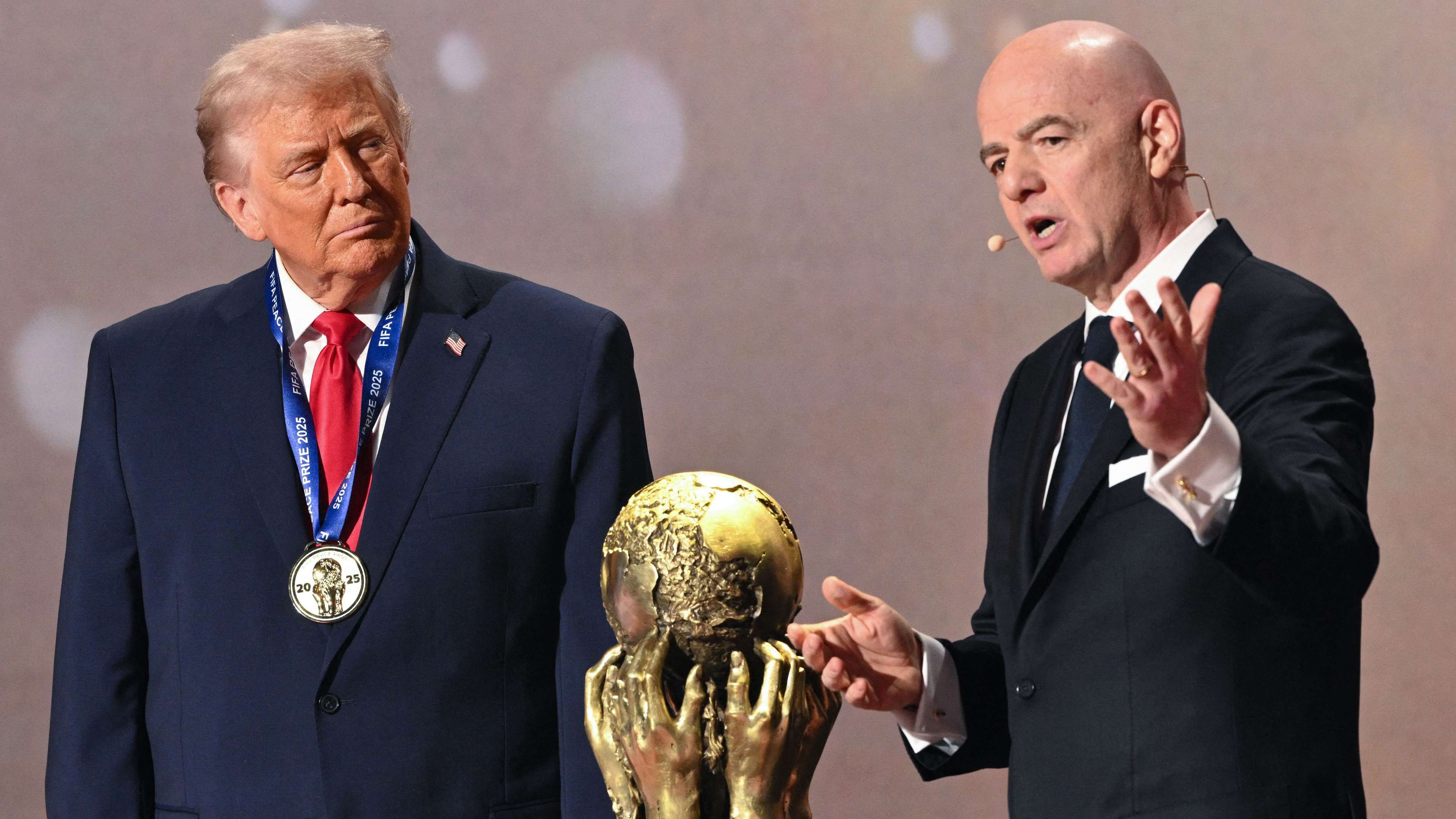
The US President is making moves to increase his influence in the world of football, sparking curiosity and speculation among stakeholders in the sport. While details of the strategic plan are still unclear, observers are closely monitoring how the White House may use diplomatic, economic, and cultural tools to advance American interests in the football arena.
Football as a Soft Power Tool
In recent years, football, known as soccer in the United States, has become a powerful soft power tool for countries looking to exert influence, attract investments, and form global partnerships. With billions of fans worldwide, football offers a platform for political leaders to amplify their messages and build new alliances.
Several potential strategies are being considered as part of the President’s plan, such as hosting major tournaments, investing in youth development programs, and utilizing the sport for diplomatic purposes.
White House’s Push on Transgender Athletes
Reports indicate that the White House is urging FIFA to adopt a policy similar to the International Olympic Committee’s decision to exclude transgender athletes (men who have transitioned to women) from women’s football competitions. This push aligns with the United States’ bid to host the 2031 Women’s World Cup, showcasing the country’s ambition to influence global standards in the sport.
However, the US President has not yet signed the necessary government guarantees for FIFA, such as visas, tax exemptions, and security support, creating a leverage point for negotiations with the international governing body. The delay in signing these guarantees is being used as a bargaining chip to push for rule changes regarding transgender players.
Implications for Global Women’s Sport
The International Olympic Committee’s recent ban on transgender athletes in women’s events sets a precedent that the White House is urging FIFA to follow in the name of fairness and integrity. With the United States being the sole bidder for the 2027 Women’s World Cup, Washington holds significant influence over the final decision.
As the standoff continues between the White House and FIFA, the future of women’s football hangs in the balance. The outcome of these negotiations could have a profound impact on global women’s sport, reshaping policies and standards within the industry.
Overall, the US President’s efforts to assert influence in the football realm are generating widespread interest and raising important questions about the intersection of politics and sports on the world stage.
Using Football as a Diplomatic Tool
Football has long been recognized as a powerful diplomatic tool, capable of fostering international relations and promoting peace. By leveraging the popularity of the sport, the US President’s push to influence the football world could potentially open doors for diplomatic initiatives and collaborations with countries around the globe. Hosting major tournaments not only showcases a country’s infrastructure and organizational capabilities but also provides a platform for cultural exchange and dialogue among nations.
Investing in youth development programs within the football industry can further solidify the US’s presence in the global football community. By supporting grassroots initiatives and promoting access to the sport for young athletes, the White House can establish long-term relationships and goodwill with international partners. Such programs not only contribute to talent development but also serve as a means to connect with diverse communities on a global scale.
Promoting Fairness and Integrity in Women’s Football
The White House’s push for rule changes regarding transgender athletes in women’s football competitions reflects a broader commitment to promoting fairness and integrity in sports. By advocating for policies that uphold the principles of competition and safeguard the rights of all athletes, the US President is positioning the country as a champion for inclusivity and equality in sports.
The implications of these negotiations extend beyond the realm of football, impacting the larger landscape of women’s sport globally. As discussions continue between the White House and FIFA, the outcome of these deliberations could shape the future of gender policies and regulations in sports organizations worldwide. By taking a stand on this issue, the US is setting a precedent for other nations and governing bodies to prioritize inclusivity and respect for all athletes.
Challenges and Opportunities in Football Diplomacy
While the US President’s efforts to influence the football world present opportunities for diplomatic engagement and strategic partnerships, they also face challenges and scrutiny. Critics may question the motives behind the White House’s involvement in football governance and highlight potential conflicts of interest. Navigating the complexities of sports diplomacy requires a delicate balance of political acumen, ethical considerations, and respect for the autonomy of sporting organizations.
As the intersection of politics and sports continues to evolve, the global football community will be watching closely to see how the US President’s initiatives unfold and whether they lead to meaningful contributions to the sport’s development and governance. By engaging in dialogue with stakeholders, fostering transparency, and upholding the values of fair play and inclusivity, the White House can position itself as a positive force in the football world, driving progress and unity among nations through the universal language of the beautiful game.
In conclusion, the US President’s efforts to exert influence in the football world represent a significant step towards leveraging the soft power of sports for diplomatic and strategic purposes. By engaging with international football governing bodies, advocating for policy changes, and promoting inclusivity in women’s sports, the White House is making a bold statement on the world stage and shaping the future of football diplomacy. As the dynamics of sports governance continue to evolve, the impact of these initiatives will be closely monitored by stakeholders, fans, and policymakers alike.