
FIFA’s Proposal Sparks Controversy in European Football
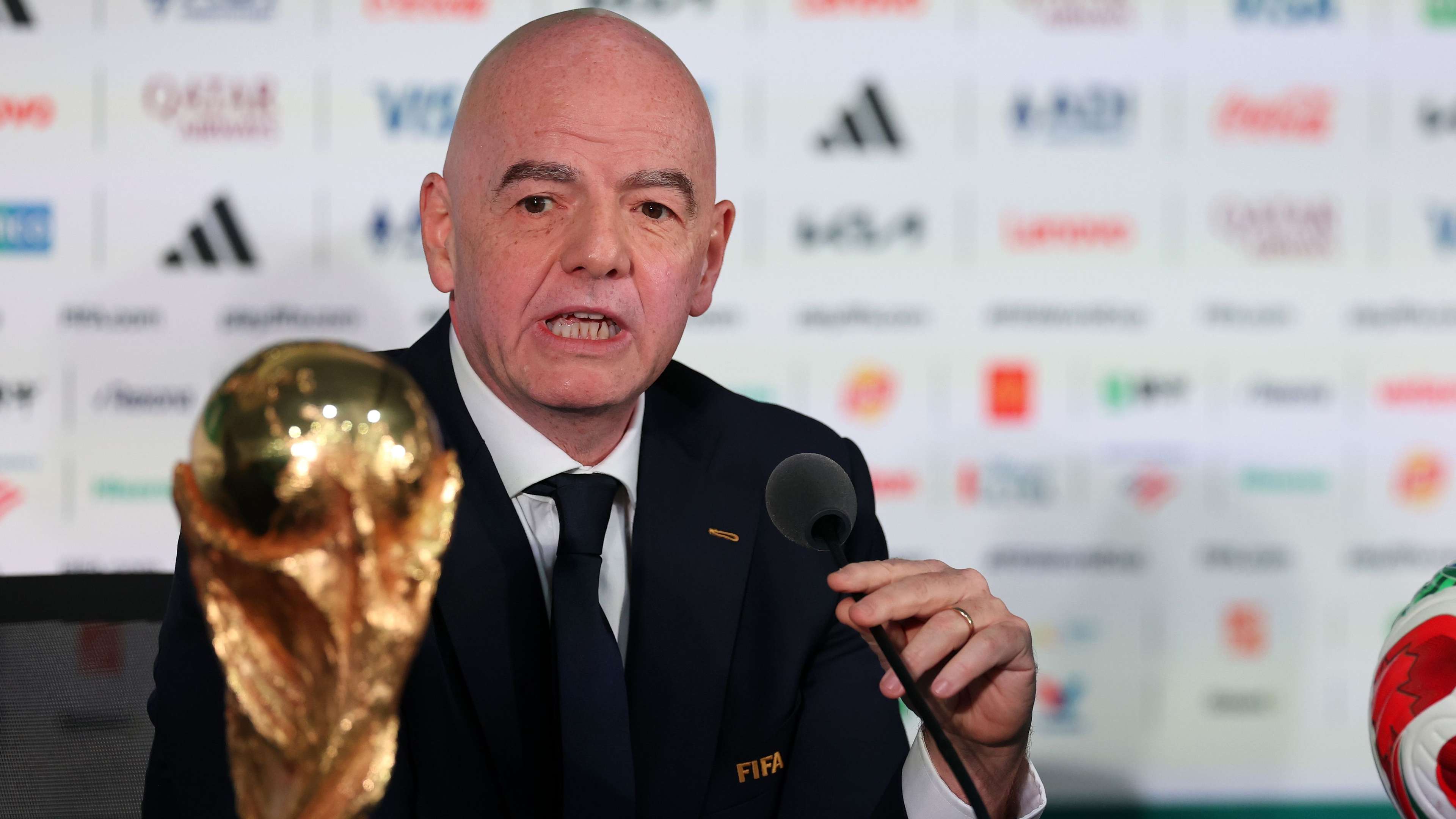
A recent proposal by FIFA, the world’s governing body for football, has caused a stir among European football associations. UEFA, the governing body for European football, has strongly criticized FIFA President Gianni Infantino for his plan to commercialize the sport and sell the rights to major tournaments to private investors.
UEFA issued a scathing statement accusing FIFA of prioritizing profit over the integrity of the game. The proposal involves creating a commercial company that would own the rights to major competitions, including the prestigious World Cup, and selling shares in it to investors.
UEFA’s Response
UEFA’s response to Infantino’s proposal was swift and harsh. The European body expressed concerns over FIFA’s motives, stating that the plan would only serve to benefit FIFA and its associates, rather than the football community as a whole. UEFA emphasized that the sport should be developed in a way that puts the interests of federations, clubs, tournaments, players, and fans first.
The English federation, along with other major football associations, echoed UEFA’s reservations about the proposal. FIFA’s ultimatum to federations, threatening a drastic reduction in profits if they do not comply, was viewed as coercive and unfair.
Implications for National Federations
Infantino’s proposal includes a promise of $40 million to each of the 211 national federations, with an initial payment of $20 million for those who agree before the deadline of 19 September. However, rejecting the proposal would result in a significant loss of revenue for the federations, potentially jeopardizing their financial stability.
Many within the football community have interpreted this approach as a form of blackmail, prompting concerns about the transparency and ethics of FIFA’s decision-making process. The pressure on federations to comply with FIFA’s demands has raised questions about the autonomy of national football associations.
UEFA’s Unity and Opposition
UEFA’s 55 member federations are set to convene for a crucial meeting to collectively address Infantino’s plan to privatize the World Cup. The growing opposition within European football indicates a unified stance against FIFA’s commercialization efforts.
UEFA’s stance reflects a broader sentiment among football stakeholders who believe that the sport should not be exploited for monetary gain. The clash between FIFA and UEFA highlights the fundamental differences in their approaches to governing the sport, with UEFA advocating for a model that prioritizes the sustainability and growth of football globally.
As the debate intensifies, the future of football governance and the balance between commercial interests and the sport’s core values remain at the forefront of discussions within the football community.
Resistance from Fans and Supporters
Amid the controversy surrounding FIFA’s proposal to commercialize football tournaments, fans and supporters have also voiced their opposition. Many fans argue that selling the rights to major competitions to private investors could compromise the essence of the sport and lead to a disconnect between the game and its loyal followers.
Fans have expressed concerns about potential changes in the format of tournaments, ticket pricing, and broadcasting rights if the commercialization plan is implemented. The fear of football becoming more about profit than passion has fueled a grassroots movement to protect the integrity of the game.
Player Welfare and Development
Another critical aspect of the debate surrounding FIFA’s proposal is the impact on player welfare and development. Many within the football community worry that prioritizing commercial interests could lead to an increase in the number of matches played, putting additional strain on players and risking their health and well-being.
Furthermore, concerns have been raised about the implications for youth development programs and grassroots football. If the focus shifts towards profit-driven decisions, there is a fear that investment in nurturing young talent and promoting the sport at the grassroots level could be sidelined in favor of lucrative commercial deals.
Global Football Landscape
The rift between FIFA and UEFA over the commercialization of football tournaments reflects broader shifts in the global football landscape. As football continues to evolve as a multi-billion dollar industry, the balance between tradition, commercial interests, and the sport’s values becomes increasingly complex.
The clash between FIFA and UEFA underscores the challenges of governing a sport that holds immense cultural significance worldwide. The outcome of this dispute could shape the future of football governance and set a precedent for how other sports navigate the delicate balance between commercialization and maintaining the spirit of the game.
The Role of Technology in Football Prediction
Amidst the discussions surrounding FIFA’s proposal, the role of technology in football prediction has garnered attention. With advancements in data analytics, machine learning, and artificial intelligence, predicting match outcomes has become increasingly sophisticated.
Football prediction algorithms analyze a myriad of factors such as player performance, team statistics, historical data, and even external variables like weather conditions to generate accurate predictions. These algorithms are used by fans, analysts, and even betting companies to anticipate match results and trends.
While football prediction can add an element of excitement and engagement for fans, there are concerns about the potential impact on the unpredictability and magic of the game. The reliance on data-driven predictions raises questions about the essence of football as a sport that thrives on its unpredictability and the human element.
In conclusion, the controversy sparked by FIFA’s proposal to commercialize football tournaments has highlighted deep-rooted tensions within the football community. The debate over balancing commercial interests with the integrity and values of the sport continues to resonate among stakeholders, from national federations to fans and players. As the discussion evolves, the future of football governance and the preservation of the game’s essence remain central to shaping the global football landscape.